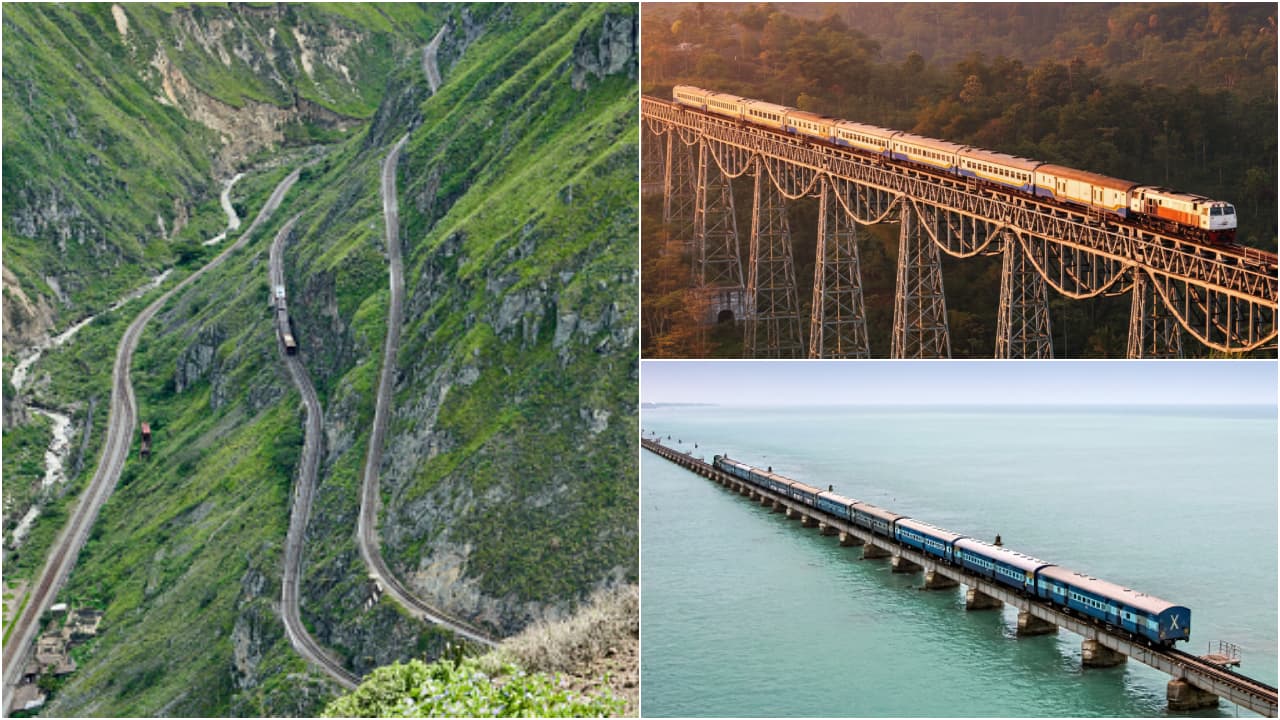
Some of the most dangerous railway routes in the world include India’s Pamban Bridge, South Africa’s Cape Town Line and Ecuador’s Devil’s Nose. These routes are extremely risky due to reasons like crime, high bridges and steep climbs.
Heart beats will speed up, it will seem as if death has touched you and passed you by! These are the most dangerous rail routes in the world. Most of us depend on trains to travel long distances. The biggest feature of train travel is that it is considered very safe. But are all train routes safe? Some rail lines say that this is not so. Let’s see which are the most dangerous rail routes in the world.
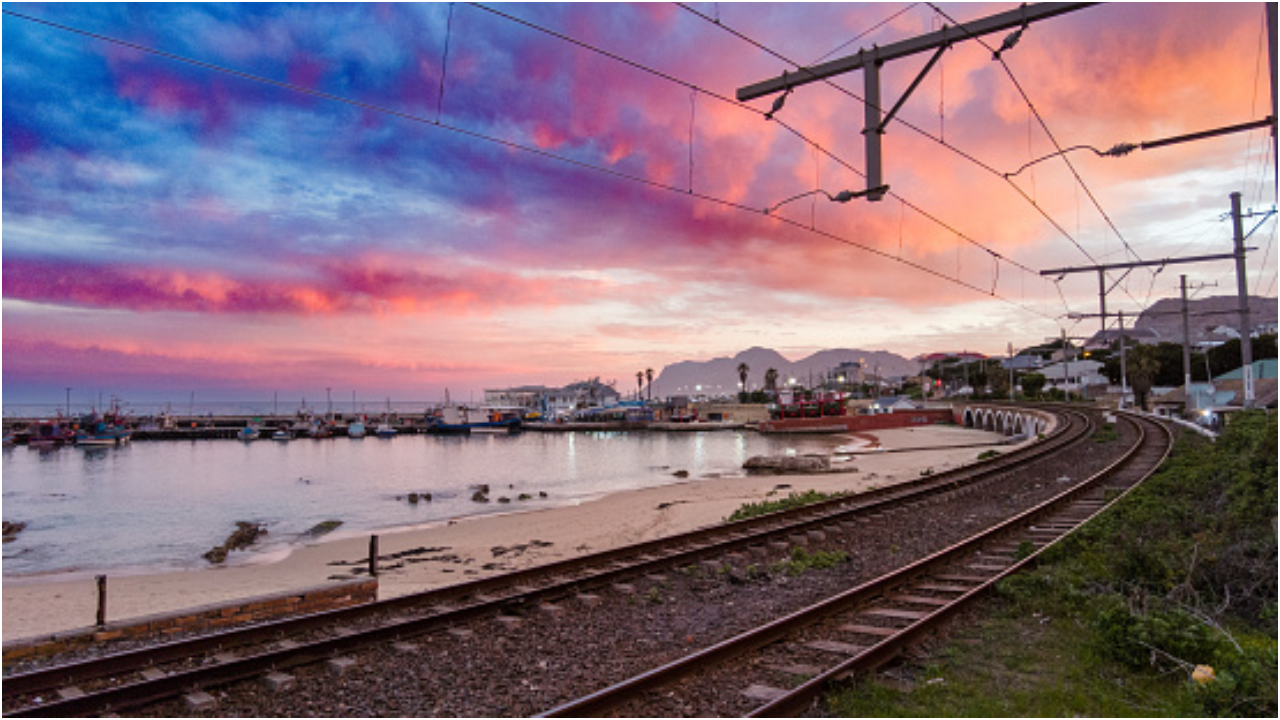
The most dangerous among these is a particular rail route in South Africa. This is the Cape Town Railway Line. What makes this railway route dangerous is not its tracks, but the frequent thefts, robberies and attacks. Due to continuing safety issues, services on the Cape Town line are canceled for several days. This rail route was completely closed in 2019. It partially reopened in 2020, but the threat of raiding gangs remains.
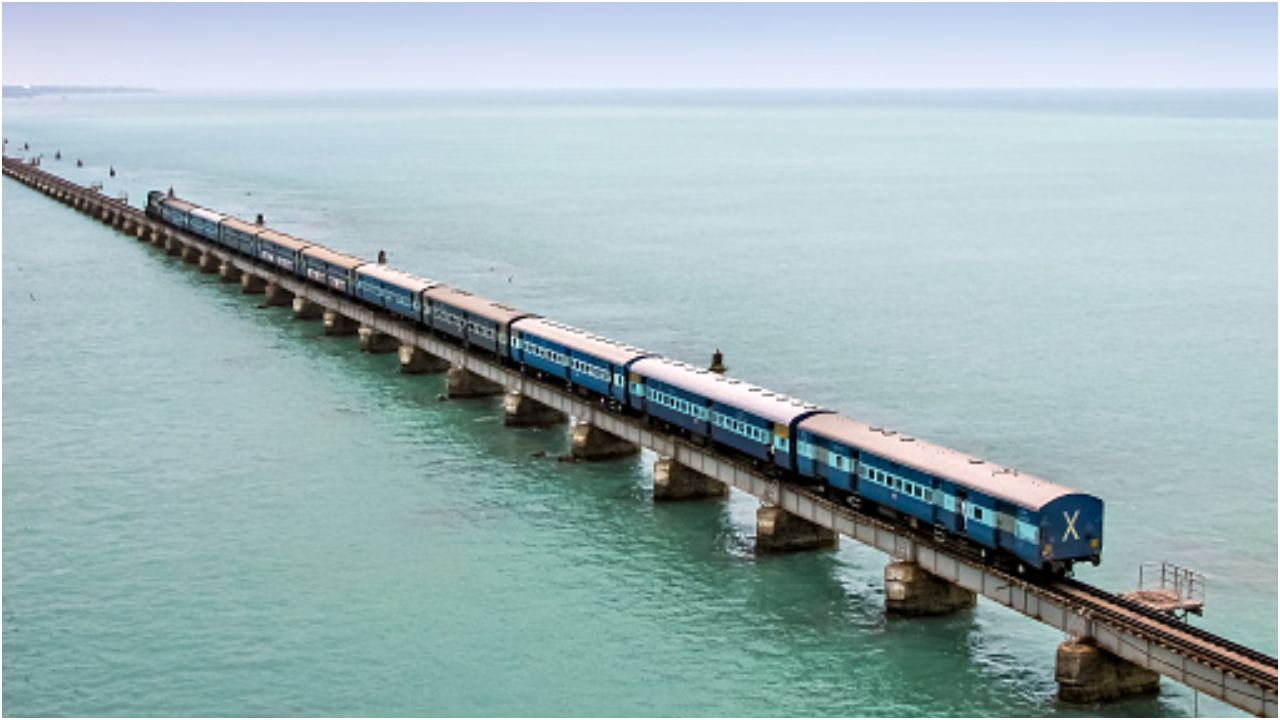
Chennai-Rameshwaram Rail Route: This more than two kilometer long railway route passes over the sea, which is very beautiful and scary at the same time. While traveling on this historic sea bridge built in 1914, land is not visible for several minutes. There is just endless sea all around. This view is as beautiful as it is heart-pounding. The Pamban-Dhanushkodi passenger train crashed in a cyclone in December 1964, in which about 150 passengers lost their lives. In place of this old bridge, a new Pamban Bridge with vertical lift has been built.
Argo Gede Rail Route of Indonesia: This rail route connecting Jakarta and Bandung is full of very beautiful views. At the same time, many scary bridges also come during this journey. The most special among these is Chikubang Bridge. This bridge, built in 1906, is about 80 meters high. It is one of the busiest rail bridges in Indonesia. There is no railing or safety wall on the sides of this bridge. When the train passes through this bridge, a deep ditch is seen when looking down.
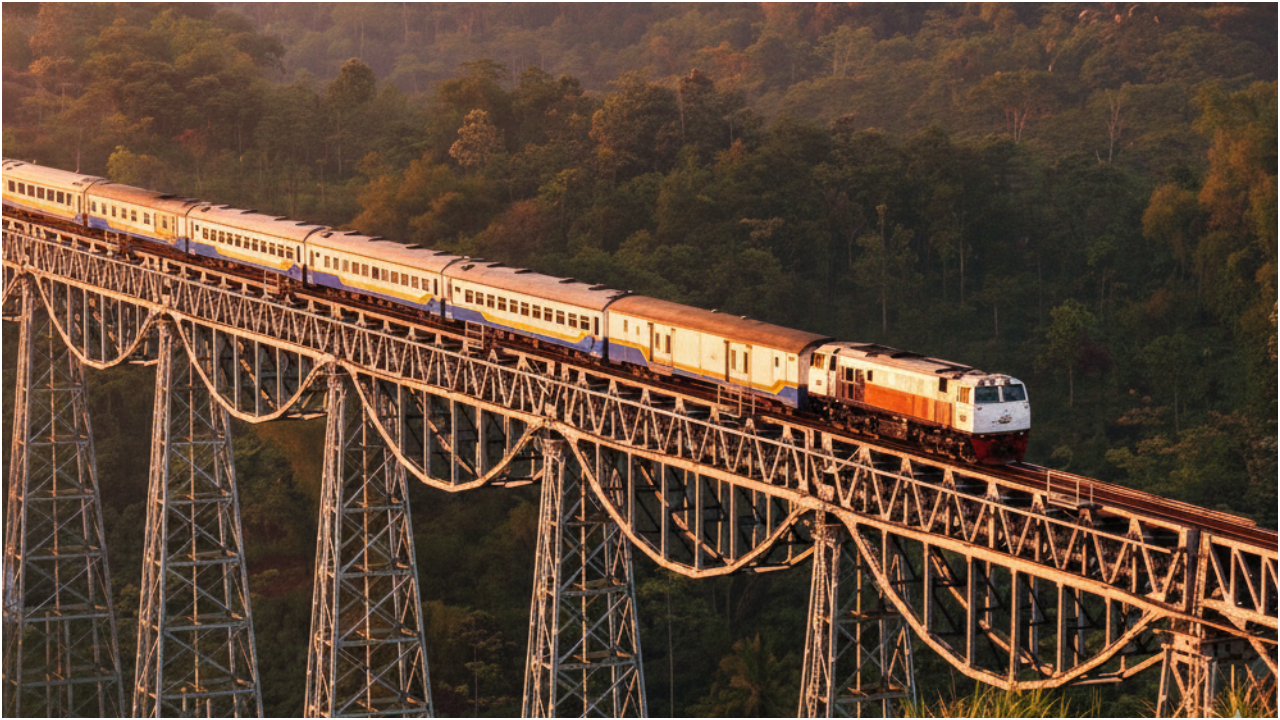
Here it feels as if the train is moving in the air. While traveling over the bridge, the sound of wheels rubbing on the tracks and the absence of safety walls create panic among the passengers. In 2023, a new high-speed train line connecting Jakarta and Bandung was launched. Although this has reduced the dangers of the old route, tourists fond of adventure still choose the old bridge route.
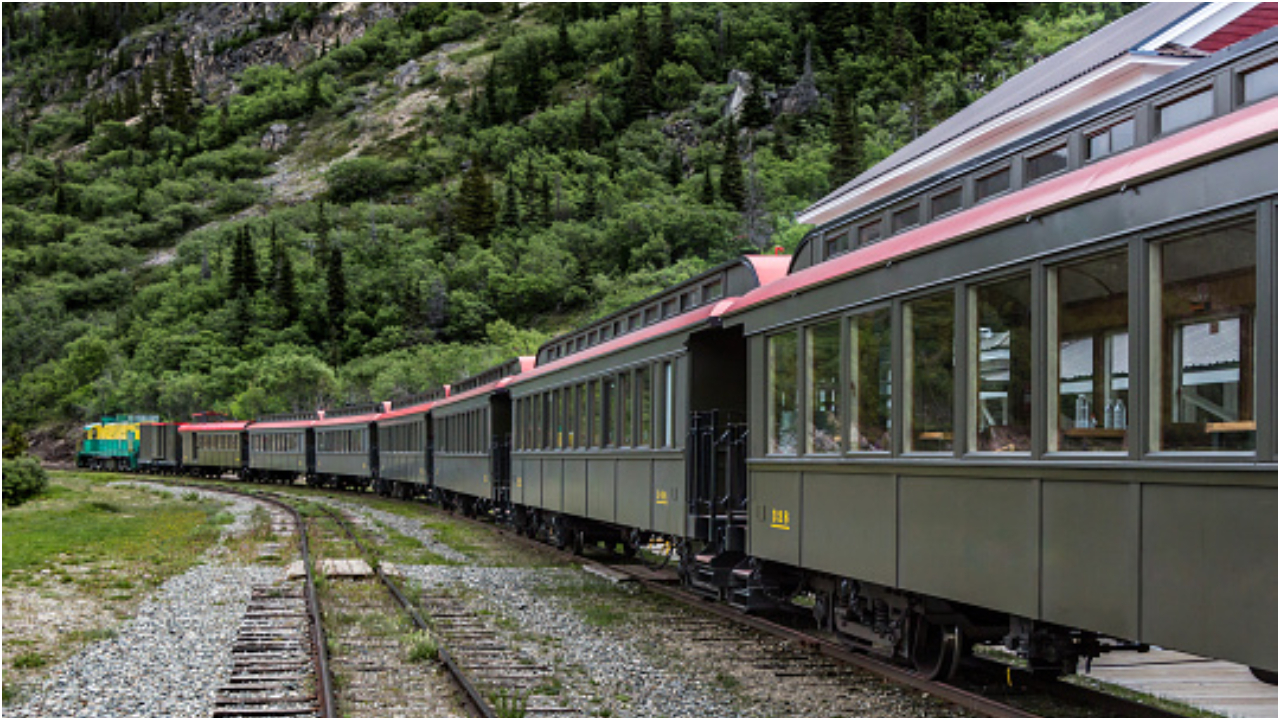
White Pass and Yukon Routewhich gives the experience of an exciting journey between snowy mountains. This rail route connecting Alaska to Canada is full of adventure and beautiful views. The train goes through steep slopes to a height of about 3,000 feet. This is one of the most dangerous routes in the world and also the most famous route. There is a danger of avalanche on this route which is covered with snow for more than half the year. This narrow gauge rail route was built in 1898 during the Klondike Gold Rush.
Devil’s Nose Railway There is another dangerous rail route. Situated at an altitude of about 9,000 feet above sea level, this railway track of Ecuador is also a wonder of engineering. Its construction started in 1872 and it took 33 years to complete. Built around steep and towering hills, the track is considered one of South America’s greatest engineering achievements and one of the most adventurous train routes in the world.
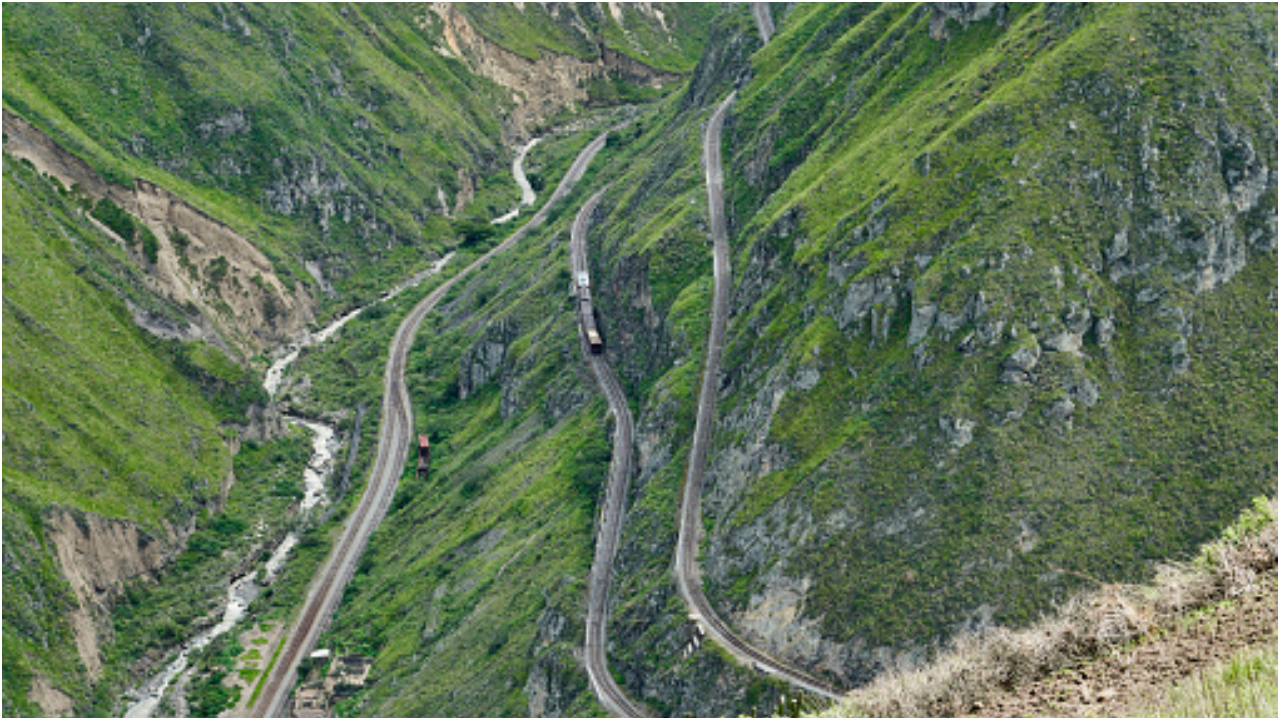
The normal tracks were not sufficient to take the train up the steep mountain slopes. To solve this, ‘zig-zag’ technology is used here, in which the train moves forward a little, then comes back, and moves forward again. This zig-zag method is very rare in the world. Its construction was also quite challenging, in which many workers lost their lives. It is said that the shape of the mountain resembles the devil’s nose, hence it got the name ‘Devil’s Nose’.