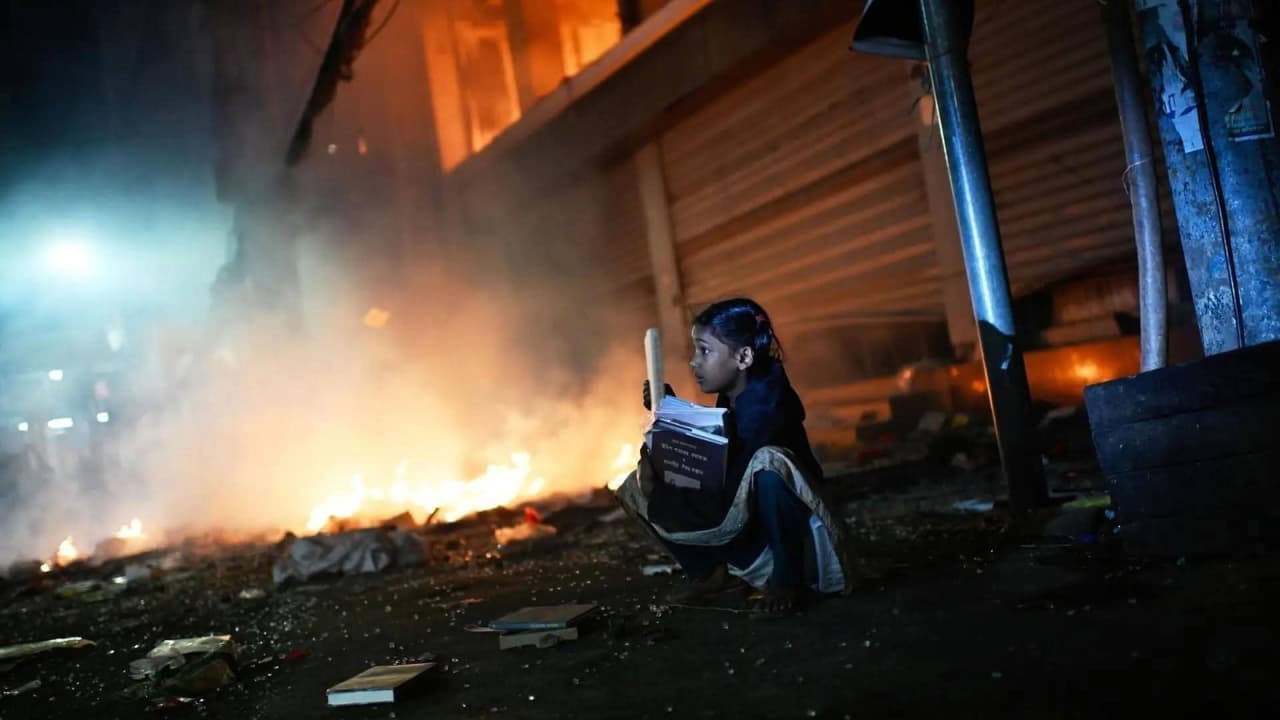
Are the riots in Bangladesh a mere coincidence or a well-thought-out strategy of the government? Dhaka kept burning, but why were the police and army missing for 2 hours? Amidst postponement of elections, Awami League ban and weakness of BNP, is the Yunus government paving the way to power with the help of anarchy?
Bangladesh Violence: These days Bangladesh is once again going through a serious political and social crisis. The sudden violence in many big cities including the capital Dhaka has attracted the attention of the whole world. The question is not why the riots happened, but the bigger question is, where were the government and security agencies when the riots were happening? Groups of radical youth took to the streets late Thursday night. Arson, sloganeering and vandalism started. Shops and government properties were targeted in many areas. But the surprising thing was that police or army were not sent to the spot for about two hours. From here, serious questions arise on the role of Yunus government.
Why were security forces missing during the violence in Dhaka?
Usually, in a sensitive city like Dhaka, even on minor tensions, the police and army immediately come into action. But this time the circumstances were completely different. According to local reports, the riots had started late at night. Videos of violence were going viral on social media. People were pleading for help. Despite this, no concrete action was taken for about 2 hours.
Was this an administrative error? Or were the eyes closed intentionally?
Is Yunus government preparing to postpone elections?
- Political experts believe that the current situation did not arise suddenly. The elections proposed on February 12 are considered to be the pivot of this entire development.
- Awami League is already banned.
- BNP is in a weak position.
- Party chief Tariq Rahman is scheduled to return to Dhaka from London on December 25.
- In such a situation, if the situation had remained normal, the Yunus government could have faced a tough challenge in the election field.
- Experts say that an environment is being created to postpone the elections by spreading anarchy.
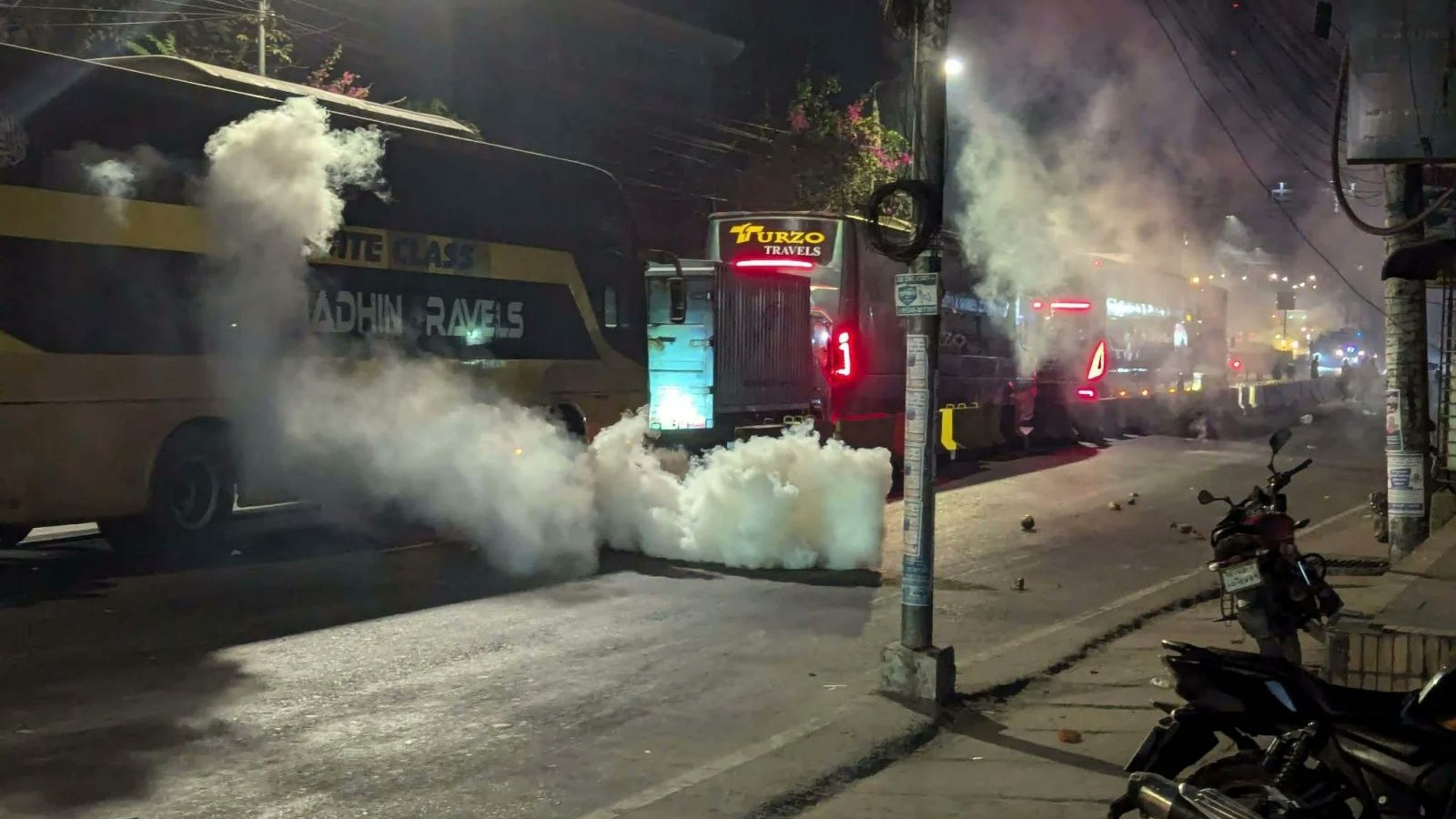
Whose protection does the fundamentalist Jamaat enjoy?
Another big question arises regarding the youth involved in the riots – who is behind them? Sources and political analysts claim that the fundamentalist Jamaat has the tacit support of the present government. Jamaat workers openly took to the streets. The inaction of the police gave them more freedom. If both Awami League and BNP are marginalised, then Jamaat could be the biggest beneficiary in the elections.
Who benefits from Awami League ban and weakness of BNP?
At present the politics of Bangladesh seems to be divided into three parts-
- Awami League out due to ban
- BNP-leadership and organization both weak
- Jamaat – getting stronger in search of opportunity
Political equations show that if the current situation continues and elections are held, a big victory for the Jamaat is possible. And through this path, there is a possibility of Yunus becoming President again.
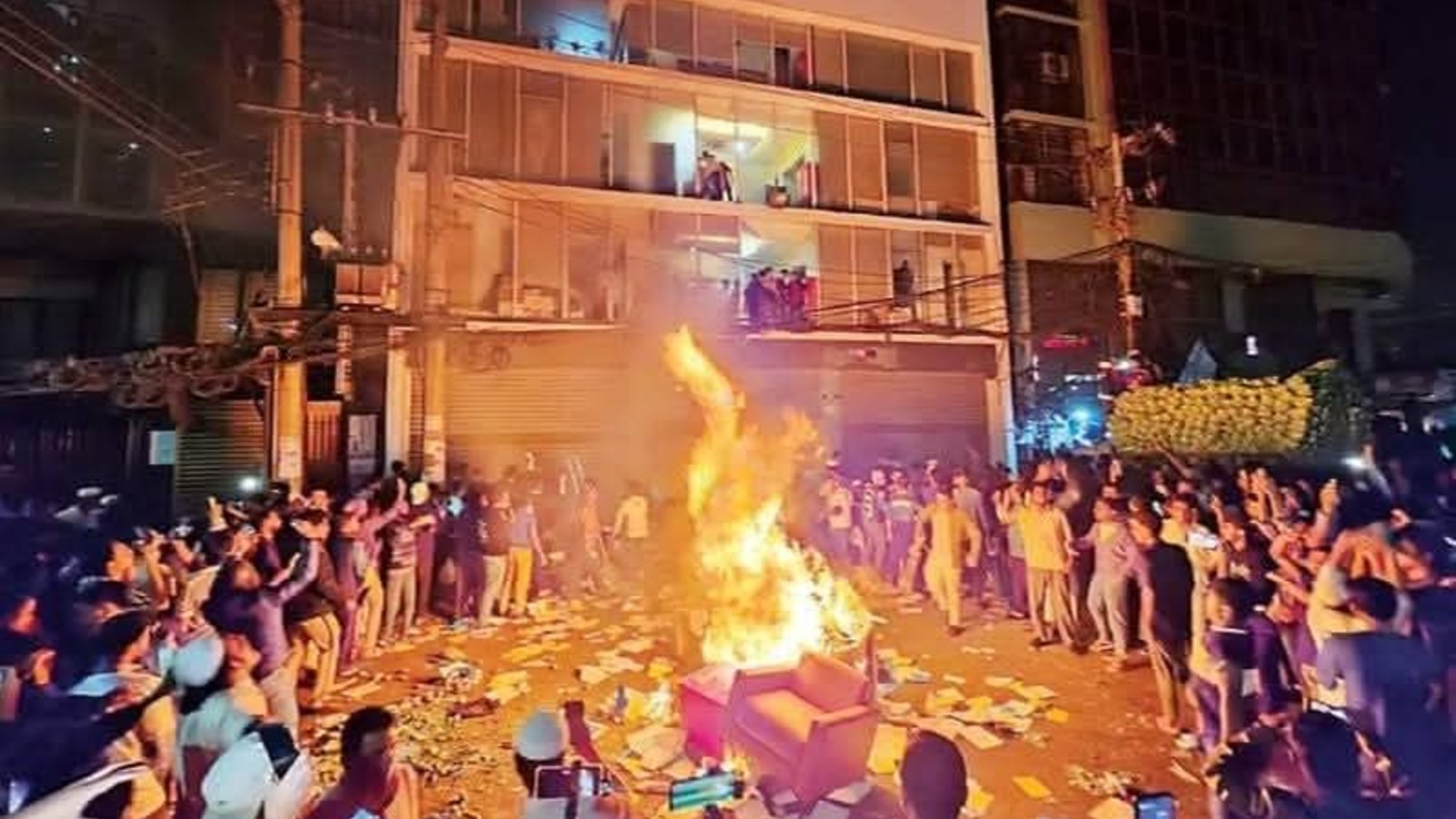
Is anarchy a strategy to stay in power?
History is witness to the fact that in many countries anarchy has been resorted to to save power.
A similar pattern is visible in Bangladesh also-
- First the opposition was weakened
- Law and order deteriorated again
- Now the narrative of postponing elections
- Political analysts say that when the situation is bad, the government gets extraordinary powers.
What loss did the common people suffer from the riots?
In this entire political battle, common citizens had to suffer the most losses.
- livelihood of shopkeepers burnt
- Fear and insecurity increased among people
- Children and elderly people had to remain confined to their homes
- But amid all this, the government’s priority appeared to be power calculations, not peace.
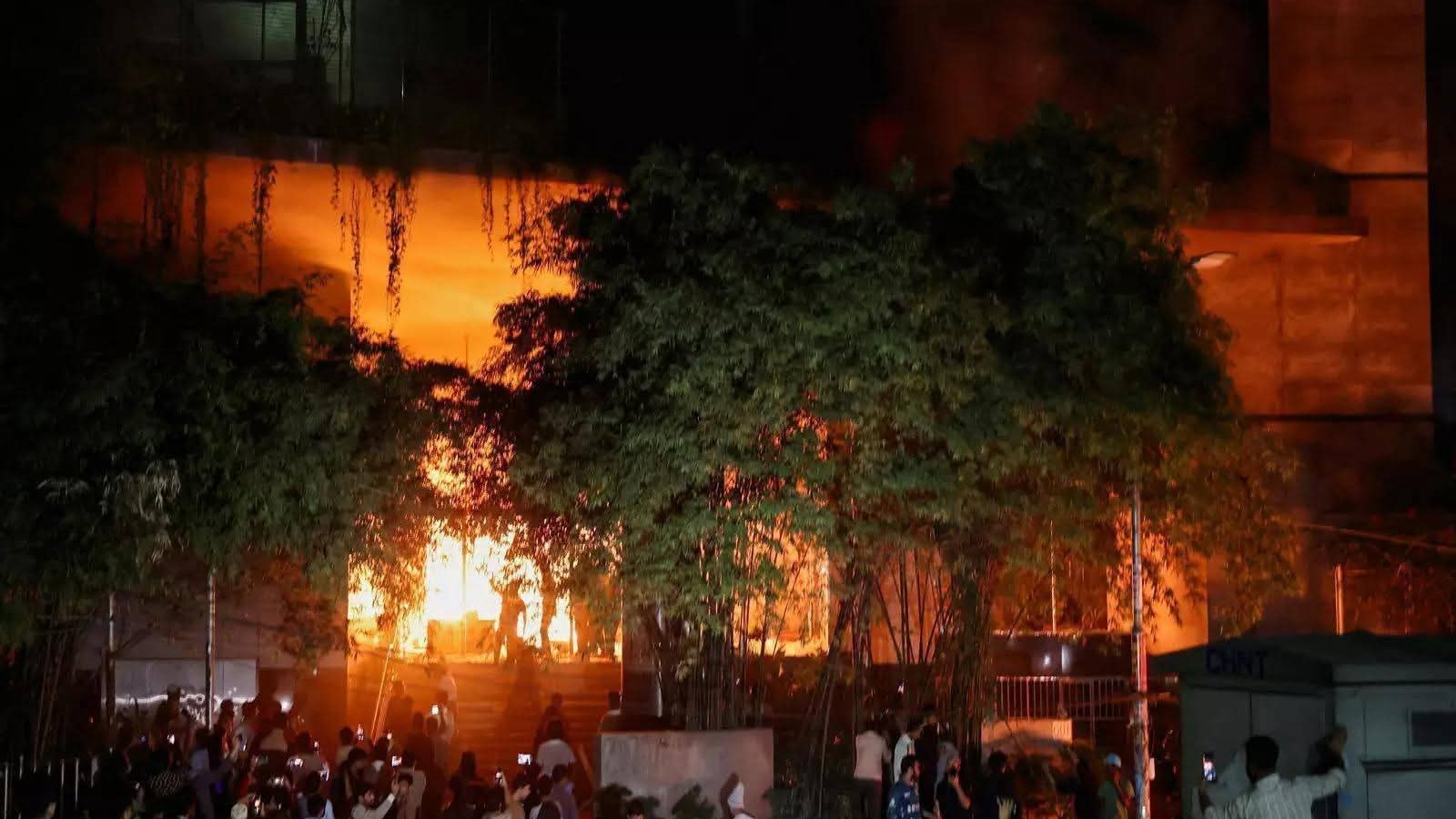
What next? In which direction is Bangladesh going?
If violence and political games continue like this, international pressure will increase. The democratic image will be damaged. The country may go into a long unstable period. At present the picture is blurry, but it is clear that the story behind the riots is not limited to the streets only, but goes to the corridors of power. This is not only a failure of law and order but is also being considered a sign of political strategy. Non-arrival of police and army for 2 hours, electoral equation and activity of fundamentalist group – all these raise questions. Now it remains to be seen whether the people of Bangladesh accept this anarchy or demand change.