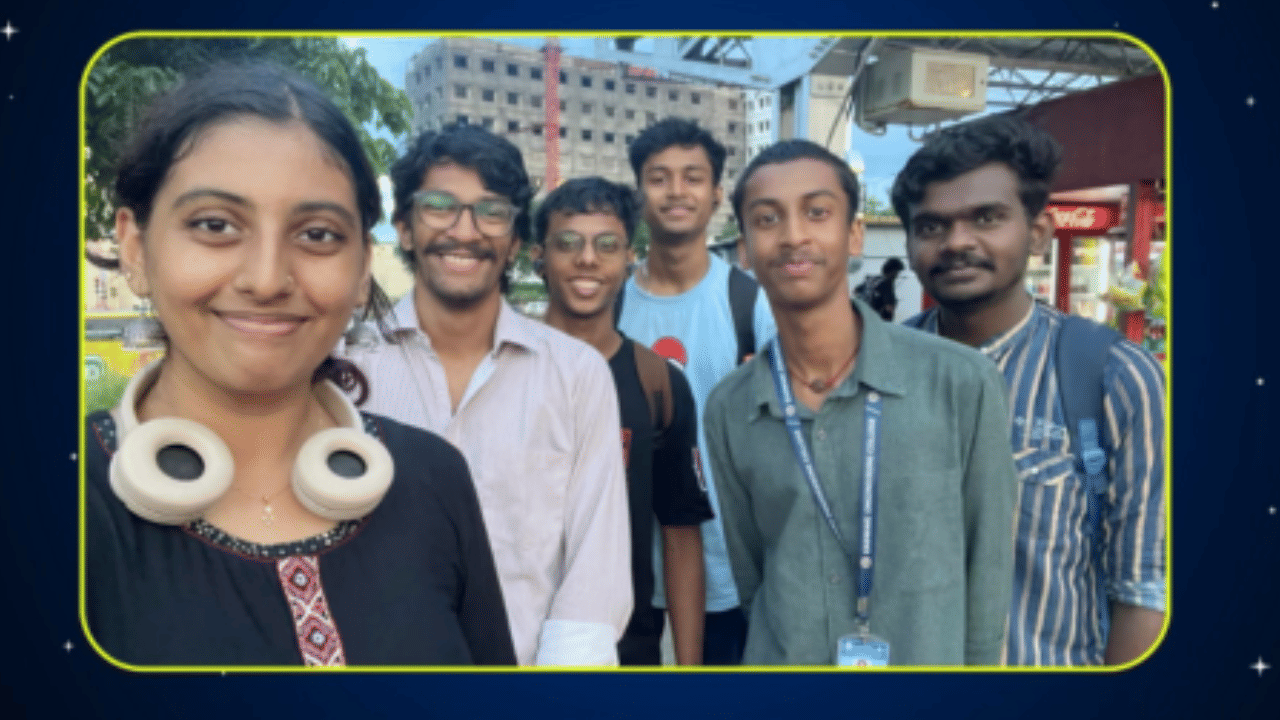
New Delhi: A concept of an Indian satellite internet has been a world winner of the NASA Space Apps Challenge 2025, a significant milestone in Indian space innovation. The name of the winning idea is Photonics Odyssey, created by a team from Chennai, and it received the most inspirational award in the international hackathon.
The project is based on the building of a sovereign satellite broadband system with the phased-array technology. It has a very basic and ambitious aim. Increase reliable access to the internet in the most isolated areas in India. The idea seeks to bridge the divide in the digital world for more than 700 million citizens who do not have access to broadband.
A sovereign satellite network for digital inclusion
Photonics Odyssey offered phased-array satellite internet infrastructure that would minimise the use of ground-based infrastructure. The methodology has a broader coverage, quicker implementation and enhanced toughness for remote locations. NASA emphasised the prospect of the project to revolutionise connectivity in underserved areas of India.
The team members who won are Manish D., M. K., Prasanth G., Rajalingam N., Rashi M., and Sakthi R. Their concept was unique in social effect, technical conciseness, and vision.
A massive global hackathon effort
NASA reports that the 2025 Space Apps Challenger involved more than 1.14 lakh individuals. The events were organised in 551 destinations in 167 countries and territories. This scale indicates the increased attention of the world to space, data and real-life problem-solving.
The participants and the Indian American students were also prominent among the winners of this year. Their success highlighted the high diasporic aspect of the Indian in innovating science and technology in the world.
The NASA International Space Apps Challenge, which is the flagship global hackathon of the agency, was launched in 2012. It motivates people to work with NASA open data to address the challenges of the earth, space, and society. It has over the years developed to become one of the largest collaborative models in the world in terms of innovations that are STEM-driven.