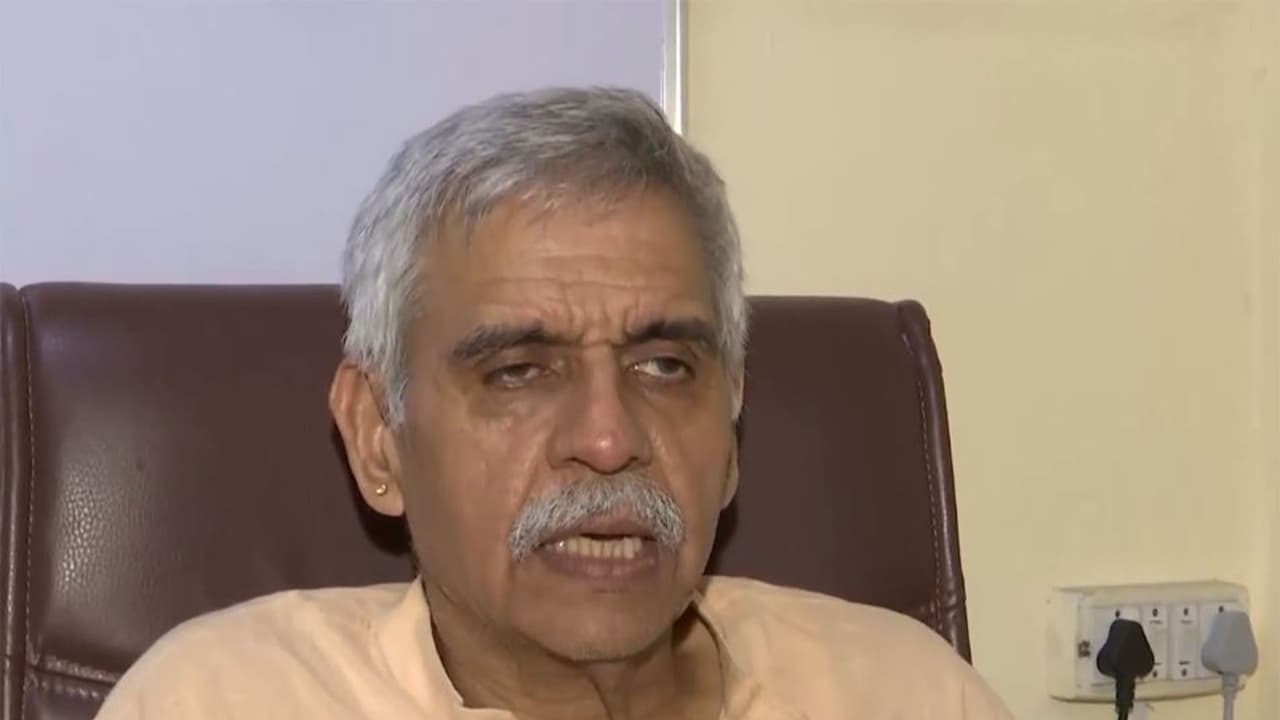
The Delhi Cabinet has approved the EV Policy 2026 to tackle pollution. While the government is optimistic, Congress leader Sandeep Dikshit has raised concerns over implementation and battery disposal, calling the pollution issue ‘complex’.
Congress leader Sandeep Dikshit on Monday raised concerns over the implementation challenges of the newly approved Delhi EV Policy 2026, noting that the issue of pollution in the national capital is complex and requires a broader approach beyond electric mobility alone. Speaking to ANI, Dikshit said, “The issue of Delhi’s pollution is very complex… We have talked about the continuous construction, about the crumbling roads, about the flying dust… With EVs too, one big question is what will happen to the disposal of the batteries which are coming out… This pollution will also have to be solved by the government. It should not happen that we spoil the future while trying to solve today’s problems.”
Government Hails Policy
Meanwhile, Delhi Transport Minister Pankaj Singh said the policy reflects the government’s intent to ensure public benefit and cleaner transport systems. “My dream appears to be coming true. We will send the file to the LG today. We are hopeful of implementing the policy from tomorrow. The CM & Cabinet has ensured that people get the benefit of this policy and they are not burdened,” he told reporters.
Delhi Minister Ashish Sood said the EV Policy would significantly improve the quality of life in the capital and strengthen modern infrastructure. “Delhi’s EV policy has now been formulated. It will make a difference in the lives of Delhi’s people. What should the nation’s capital be like? It should have modern infrastructure, and its transport system should eliminate pollution,” Sood told reporters.
Furthermore, Delhi Minister Manjinder Singh Sirsa also welcomed the policy, saying it would help reduce pollution by replacing older vehicles with electric alternatives. “This EV policy will help act against pollution by easing out polluting vehicles. Pollution in Delhi can be decreased if EV vehicles are brought in,” he said.
Key Features of Delhi EV Policy 2026
The remarks come after the Delhi Cabinet, earlier in the day, approved the EV Policy 2026, a major initiative aimed at accelerating the adoption of electric vehicles and reducing vehicular pollution in the national capital.
According to official details, the policy will come into effect from July 1, 2026 and remain valid till March 31, 2030. It provides 100 per cent exemption on road tax and registration fees for electric vehicles, applicable to four-wheelers priced up to Rs 30 lakh, along with purchase incentives of up to Rs 30,000 for two-wheelers, Rs 50,000 for three-wheelers and up to Rs 1 lakh for N1 goods vehicles. The policy also includes scrappage incentives of up to Rs 1 lakh for four-wheelers, Rs 25,000 for three-wheelers, Rs 10,000 for two-wheelers and Rs 50,000 for N1 trucks, aimed at replacing older, polluting vehicles.
A key feature of the policy is the expansion of EV charging infrastructure with over 30,000 charging points planned across Delhi. Incentives and benefits will be directly transferred to beneficiaries through the Direct Benefit Transfer (DBT) system.
It also sets phased registration mandates, under which only electric three-wheelers and N1 goods carriers will be registered from January 1, 2027, while only electric two-wheelers will be registered from April 1, 2028. The policy further lays out electrification targets for school buses, aiming for 10 per cent fleet conversion in two years, 20 per cent in three years and 30 per cent by March 31, 2030.
The Delhi government has also committed over Rs 7,000 crore over the next four years for implementation, with overall benefits of the policy expected to exceed Rs 15,000 crore, including incentives and infrastructure support.
Chief Minister Rekha Gupta said the policy has received support from the Centre and will now be sent to the Lieutenant Governor (LG) for final approval before rollout. She said the initiative aims to transform Delhi into a clean, pollution-free transport hub through coordinated efforts and extensive stakeholder consultations. (ANI)
(Except for the headline, this story has not been edited by Asianet Newsable English staff and is published from a syndicated feed.)