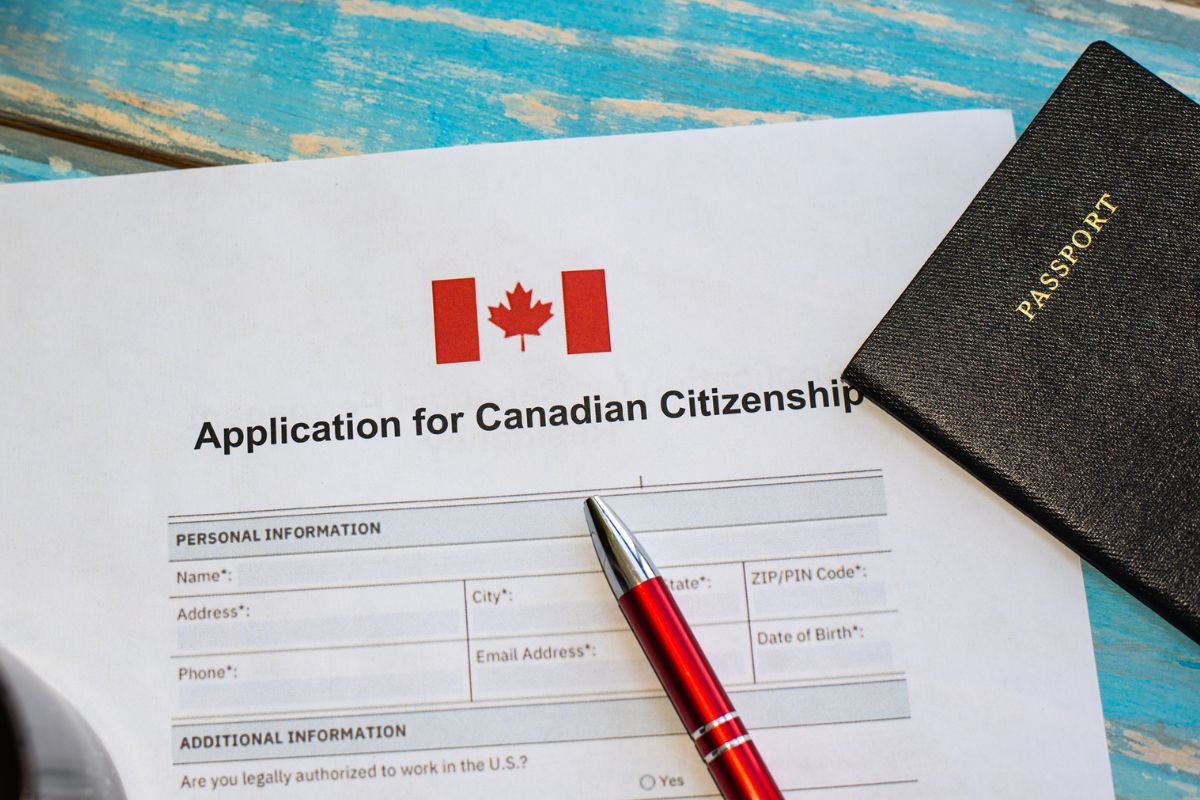
Canada has updated its citizenship rules, and the change is giving a lot of people finally some clarity. The new law, Bill C-3, came into effect on December 15, 2025. It’s meant to help Canadians who were born or adopted outside the country but never received the citizenship they technically should have had.
What The New Law Actually Changes
For a long time, some Canadians born abroad couldn’t pass citizenship to their own children because of old restrictions, especially the first-generation limit. This rule blocked a child born outside Canada from being considered Canadian if their parent was also born or adopted abroad.
Now, that barrier is gone. Anyone born before December 15, 2025, who would have been Canadian if not for those old rules can finally claim their citizenship. They can apply for proof of citizenship and settle something that should have been sorted out long ago.
Key Points of Bill C-3
- Gives citizenship to people born abroad who were excluded because of the old rules.
- Removes the first-generation limit that blocked many children from getting citizenship.
- Allows Canadian parents born abroad to pass on citizenship if they have lived in Canada for three years.
- Updates the Citizenship Act to fix long-standing gaps dating back to earlier laws.
- Ensures IRCC processes applications under the new rules without needing fresh submissions.
New Rights For Canadian Parents Born Abroad
The law also brings an important update for parents. A Canadian who was born or adopted outside Canada can now pass on citizenship to their child, even if the child is born abroad.
The parent just needs to show they lived in Canada for three years before the child’s birth or adoption. This requirement is meant to confirm that the parent has genuine ties to the country.
Why These Fixes Were Needed
Canada’s original Citizenship Act from 1947 had several issues that caused people to lose their status or never receive it. Later changes in 2009 and 2015 helped a lot of people, and about 20,000 came forward to get proof of citizenship. Still, some were left out.
The biggest issue was the first-generation limit introduced in 2009. Families argued it was unfair, and in 2023, an Ontario court agreed. It decided that key parts of the law were unconstitutional, and the government chose not to appeal.
The Court Ruling That Sparked Action
After the 2023 ruling, IRCC put temporary measures in place so that families affected by the first-generation limit would not be left waiting. With the new law now active, IRCC will process applications according to the updated rules. Anyone who has already applied does not need to submit a new application.
What It Means Going Forward
These changes bring long-overdue clarity. People who spent years in a legal grey zone now finally have a path to recognition. Families abroad will not face the same confusing rules that caused problems for so long. It’s a practical fix that makes Canada’s citizenship system fairer and easier to understand.
Follow and connect with us on Facebook, Twitter, LinkedIn, Instagram and Google News for the latest travel news and updates!