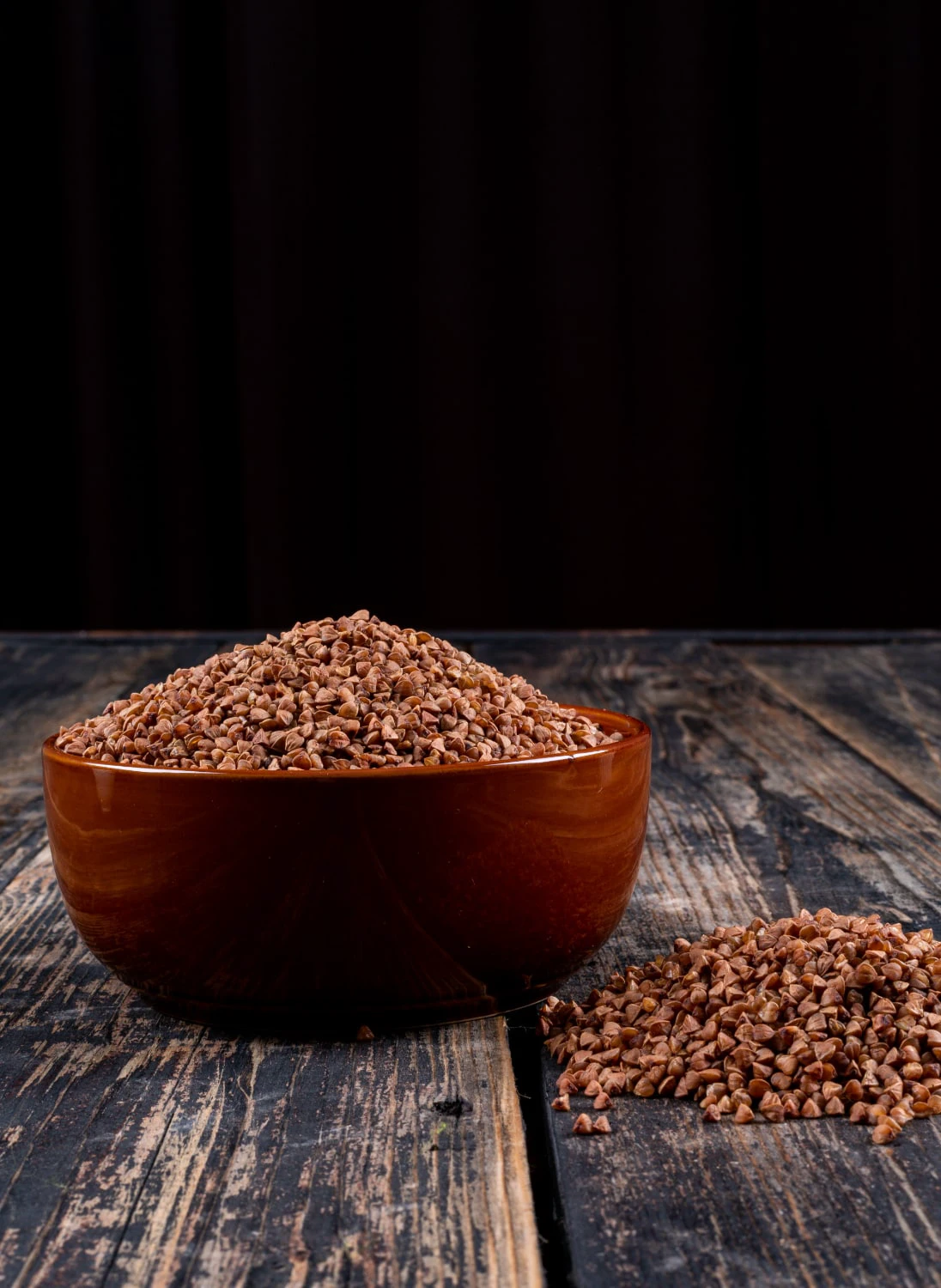
As India continues to embrace millets as part of a healthier lifestyle, ragi, which is also known as finger millet, is once again finding its place on the Indian plate.
It is rich in calcium, fibre, and essential amino acids. Ragi has long been a staple in many households, especially in southern states. With the government promoting millet consumption since 2023, which the United Nations declared as the International Year of Millets, this humble grain is receiving renewed attention for its wide-ranging health benefits. Speaking to NDTV, Dr Kruti S. Dhirwani, a consulting homoeopathy physician and millets expert, explained that ragi is “not a trend, but an Indian grain we forgot to value.” She added that what makes ragi special is not hype but its “nutritional depth”.
According to the millet specialist, stands out among all millets for its exceptional nutrient profile. As per data referenced by the Indian Institute of Medical Research, a 100-gram serving of ragi contains about 344 mg of calcium, one of the highest levels among cereals and far more than rice or wheat. This makes it especially valuable for children, women, and older adults who need strong bone support.
Top Health Benefits Of Eating Ragi Daily
1. Boosts Brain Development in Children
Recent Indian reports highlight that ragi may play a role in improving cognitive strength in children. Its natural iron, tryptophan, and antioxidant content can support better memory, mood regulation, and sleep quality. While there are ragi-based snacks on the market like ragi porridge or ragi-based cereals, which may help address nutritional gaps, especially in regions where childhood malnutrition remains a concern. Here are some safety checks that need to be performed before purchasing ragi-based snacks:
- Check the labels of these snacks before purchasing, as the processed version of ragi snacks can contain additives, preservatives, and flavour enhancers that can change the nutrient density of ragi in these snacks.
- The exact percentage of ragi present in the snacks needs to be known to figure out how much and what quality of ragi is being consumed by the body.
Studies have shown that iron deficiency is linked to poor cognitive performance. Since ragi is naturally iron-rich, nutritionists consider it a safe and accessible option for improving diet quality in growing children.
Dr Dhirwani noted that ragi contains essential amino acids such as tryptophan, which supports mood and sleep, and lysine, which helps with tissue repair. “These nutrients make ragi a wholesome grain for children,” she said.
2. Supports Bone Health
Research published in nutritional science journals shows that contains 344-360 mg of calcium per 100 grams, making it one of the richest natural calcium sources among grains. This is why it is often called a “calcium powerhouse”.
It can be especially beneficial for:
- Growing children
- Pregnant and lactating women
- Older adults are at risk of age-related bone diseases like osteoporosis.
There is scientific evidence that suggests ragi flour can be better absorbed in the body, unlike supplements. It can provide calcium in a natural, easily digestible form. When paired with vitamin D from sunlight, it can support bone density.
Dr Dhirwani added that ragi is “non-negotiable” for people who are lactose intolerant, vegan, or those who do not consume dairy regularly. “For people who don’t drink milk, ragi is one of the best natural calcium sources available,” she said.
3. Helps Manage Blood Sugar Levels
Ragi’s high fibre content makes it a preferred grain for people looking to manage blood sugar. It has a low glycaemic index, meaning it releases sugar slowly into the bloodstream. This helps prevent sudden spikes in blood sugar levels.
Multiple millet researchers also point out that ragi’s polyphenols may help improve insulin sensitivity. In order to get the maximum health benefit, replacing part of the daily cereal intake with ragi roti, ragi dosa, or ragi porridge can support better metabolic health.
According to Dr Dhirwani, “Ragi has a low glycaemic response because its fibre slows down carbohydrate absorption. Over time, this can support better blood sugar control, especially in people with diabetes or prediabetes.”
4. Improves Gut Health
iis naturally rich in dietary fibre, which supports digestion and helps prevent constipation. Studies indicate that the resistant starch in ragi acts as a prebiotic, feeding healthy gut bacteria. And a healthy gut microbiome is linked to better immunity, improved mood, and reduced inflammation.
Traditional Indian diets often included ragi malt (a nutritious drink made by combining ragi flour, water, and jaggery or sugar), porridge, or cereal with ragi flakes as a morning meal. Studies document that bringing back these traditional foods can help modern families improve digestive health. Especially when compared with the highly processed ready-to-eat breakfast options on the shelves.
Ragi also retains its fibre content when it is processed to make snacks for easier consumption. Millet expert Dr Dhirwani explained that, unlike polished rice, which loses fibre during processing, ragi retains its husk. “This gives it superior fibre content that supports digestion, gut health and satiety (feeling of fullness),” she said.
5. A Sustainable, Climate-Resilient Grain
Beyond personal health, ragi also supports environmental sustainability. Researchers note that ragi grows well in drought-prone regions and requires far less water than rice or wheat. This makes it an ideal crop for India’s changing climate conditions. A review published in Traditional, Nutritional, and Ayurvedic Perspectives on Millets highlights that millets like ragi retain their nutritional value even after traditional processing, making them suitable for both rural and urban diets. According to the Observer Research Foundation, India’s food system is facing challenges due to climate change, including natural resources, yields, soil fertility, and water scarcity. The country’s food security is under threat from climate change, which impacts agricultural productivity, food systems, and household nutrition. In such a situation, sustainable food sources are essential for curbing these challenges and ensuring food security in the face of climate change.
Easy Ways To Add Ragi To Daily Meals
Here are some simple ways to include ragi in everyday cooking:
- Ragi porridge for breakfast
- Ragi dosa or idli batter
- Ragi roti mixed with wheat flour.
- Ragi laddoos or cookies for children
- Ragi malt as an evening drink
Studies advise that people with kidney issues or those on low-oxalate diets should consult a doctor before consuming ragi regularly, as it contains natural oxalates.
With growing scientific evidence and renewed public interest, is emerging as one of India’s most valuable traditional grains. Studies have documented that daily consumption of ragi can support bone strength, improve digestion, enhance cognitive development, and help manage blood sugar levels. As India moves toward healthier and more sustainable food choices, ragi stands out as a grain that nourishes both people and the planet.