With half of the last month of 2025 already gone and 2026 just a fortnight away, it’s the perfect time to reconsider your lifestyle habits so you can modify them and begin the year with a positive note and healthy lifestyle habits.
One of the most preliminary lifestyle changes you can make is improving your diet. What you eat has a very significant impact on your heart, and given how heart diseases are on the rise in India, it is the need of the hour.
To understand how you can take better precautions and know if your diet is a green/red flag for your heart health, HT Lifestyle spoke to Dr Sunil Kumar Mandal, consultant cardiologist at Kailash Hospital, Greater Noida.
So why is it imperative to pay attention to what’s on your plate? As per the cardiologist, there’s an alarming rise in heart diseases. “Indians are developing heart diseases nearly 10-15 years earlier than most Western populations,” Dr Mandal said.
What are the hidden risks in the modern Indian diet?
What you eat may seem harmless, and even staple in the Indian diet, but it may quietly be putting your heart at risk.
Dr Mandal warned against excessively deep-fried food in oil. “Excessive intake of saturated and trans fats is one particular concern. High intakes of ghee, butter, and vanaspati with frequent consumption of fried snacks such as samosas, pakoras, and puris result in high bad cholesterol levels.”
Refined carbohydrates are again a part of everyday meals, from morning to night. But there’s a big risk in eating them daily, as they put stress on your heart through repeated insulin spikes.
The cardiologist elaborated, “White rice, maida-containing bread, and sweet preparations are responsible for hyperglycemic spikes, leading subsequently to insulin resistance and predisposing towards diabetes and cardiac problems.”
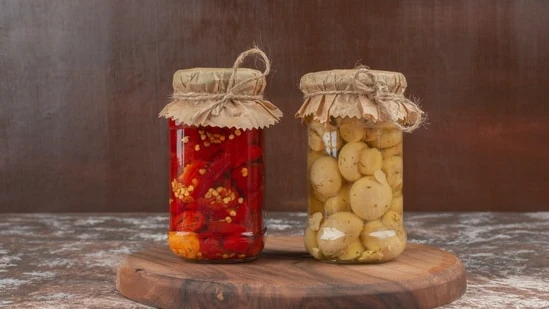
Sodium and irregular patterns also contribute to many heart problems. Dr Mandal warned about favourites like pickles and papads.”Eating too much pickles, papads, packaged chutneys, and processed snacks leads to high intake of sodium adds to this burden by raising blood pressure.”
You also need to be careful about the timing of your meals, as eating erratically may increase stress on the cardiovascular system. Similarly, large portions can have the same effect, according to the cardiologist.
What should you eat for healthy heart?
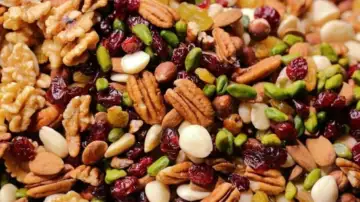 So what should you instead prioritise for better heart health? The cardiologist urged focusing on a balanced diet. Dr Mandal elaborated on the nutrients, “Your plate should be colourful and rich in fruits, vegetables, lentils, legumes, nuts, seeds, olive oil, and fish, to provide nutrients, antioxidants, and fibre that will keep your heart functioning optimally.”
Is there anything that you need to substitute? Yes. Dr Mandal shared, “Substitute unhealthy fats with healthy fats to keep our heart healthy and regularly switch to the use of whole grains, in place of refined grain products, like whole wheat, brown rice, millet, etc, to keep our cholesterol down and stabilise our blood sugar level.”
For the cooking method, Dr Mandal strongly recommended going for steaming, baking, and roasting instead of frying.
Lastly, he also reiterated the importance of portion control, noting that eating smaller portions helps keep the heart healthy.