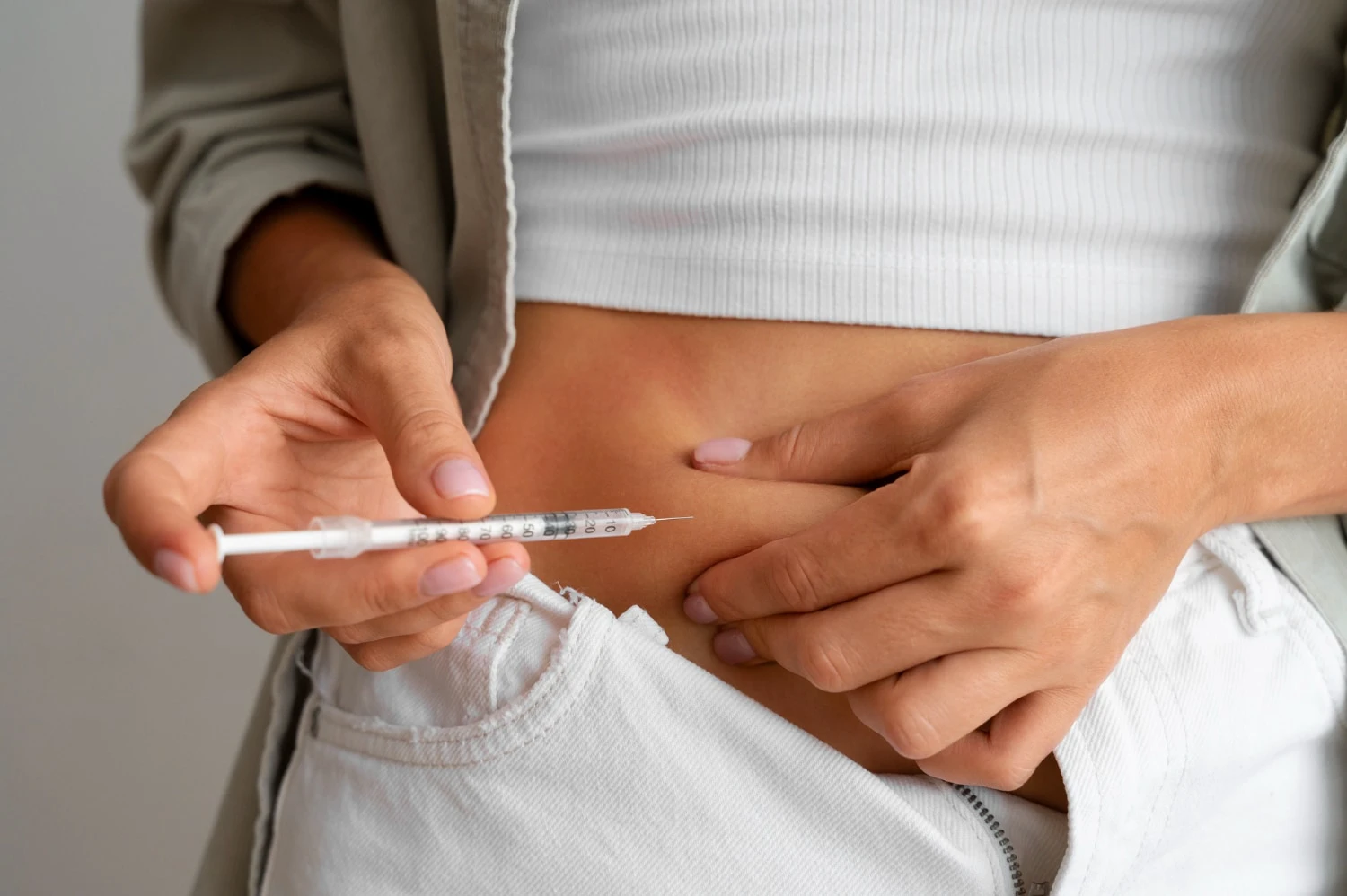
India faces one of the world’s largest burdens of type-2 diabetes, with an estimated 101 million adults affected, second only to China.
At the same time, obesity and its metabolic consequences are accelerating, increasing demand for effective treatments that can manage blood glucose, support weight loss and reduce cardiovascular risk. Into this landscape enters Ozempic, a once-weekly injectable drug containing semaglutide, recently launched in India by global manufacturer Novo Nordisk for the treatment of type-2 diabetes and increasingly used off-label for weight management.
The drug, widely prescribed internationally, works by mimicking the hormone GLP-1 (glucagon-like peptide-1), which enhances insulin secretion, slows gastric emptying and suppresses appetite. Although its initial approval in India is for glycaemic control in people with diabetes, its popularity upstream of obesity care has intensified demand. In global markets, semaglutide drugs have also shown cardiovascular and kidney protective effects.
Ozempic’s arrival raises key questions, like how affordable is it in India, how does it compare with other treatments, and what will pricing look like as generics arrive? Understanding this is crucial for patients and healthcare systems grappling with escalating metabolic disease.
:Diabetes, Weight Loss Drug Ozempic Launched In India: See Dosage, Price And More
Ozempic Pricing In India: Current Official Figures
In December 2025, Novo Nordisk officially launched Ozempic injections in India with the following price structure:
- 0.25 mg pen: Rs 8,800 (Rs 2,200 per week)
- 0.5 mg pen: Rs 10,170 (Rs 2,542 per week)
- 1 mg pen: Rs 11,175 (Rs 2,793 per week)
Each pre-filled pen contains four weekly doses. These doses are targeted at type-2 diabetes management, with specialists prescribing the appropriate strength based on clinical need.
Ozempic’s pricing reflects ‘India-tailored pricing’ designed to improve access compared with high incomes countries, but it remains a considerable expense for many patients, especially when multiple pens are needed per month. For example, according to , a typical regimen might involve the 0.5 mg or 1 mg dose, resulting in a monthly drug cost of roughly Rs 10,000-Rs 11,000 (Rs 40,000- Rs 45,000 annually) excluding consultations and monitoring.
Why Ozempic’s Price Matters In India
With over 100 million adults living with diabetes, India’s healthcare system carries a heavy metabolic disease burden. Many patients already pay out-of-pocket for medications, tests and complications, which means drug cost becomes a significant barrier to sustained therapy.
Comparison With Other GLP-1 Drugs
Ozempic isn’t the only GLP-1 receptor agonist in India. Competitors include:
- Mounjaro (tirzepatide): Approved for diabetes and weight management, typically priced around Rs 14,000- Rs 17,500 per month in some formulations. Although it may offer in some patients, it remains more expensive than basic Ozempic dosing.
- Wegovy (semaglutide 2.4 mg): Targeted , with reported Indian pricing from approximately Rs 17,345 up to over Rs 26,000 per month depending on dose. (The Economic Times)
Thus, while Ozempic is relatively more affordable than some high-dose obesity drugs, its cost is still significant for many patients.
Affordability: Weekly, Monthly And Long-Term Costs
Weekly and Monthly Breakdown
- At Rs 2,200 per week for 0.25 mg, the monthly cost rounds to around Rs 8,800 for a starter dose.
- The mid dose (0.5 mg) costs around Rs 10,170 per month, and the higher 1 mg dose about Rs 11,175 per month.
- and do not include doctor visits, blood tests, or any associated private sector fees.
Annual Financial Impact
At current pricing, Ozempic could cost patients Rs 100,000+ per year. Without insurance coverage (which is limited for outpatient prescriptions in India), many individuals need to budget for these costs, often alongside standard diabetes drugs.
Patent, Generics And Future Price Changes
A key factor in long-term affordability is patent expiry. Semaglutide’s core patent in India expired in September 2024, while a secondary formulation patent lasts until March 2026. Once the secondary patent expires, generic semaglutide products are expected to enter the Indian market.
Industry analysts predict significant price reductions once generics arrive, as seen with other biologics and small-molecule drugs. Estimates suggest launch pricing for generics could be 30-50% lower than current branded prices, and potentially more with robust competition.
However, generic availability also depends on manufacturing capacity, regulatory approvals and pricing strategies of Indian pharma companies.
Cost Vs Value: Clinical Benefits And Use Cases
- Glycaemic Control: Ozempic is approved in India as an adjunct to diet and exercise for type-2 diabetes, helping lower HbA1c and sustain glycaemic targets with once-weekly dosing. This is a convenience advantage over daily medications.
- Weight Management: Although not officially approved for weight loss in India under the Ozempic label, semaglutide has clinically demonstrated appetite suppression and weight loss in people with diabetes, and higher-dose formulations (e.g., Wegovy) have been approved elsewhere for obesity.
- Cardiometabolic Benefits: Semaglutide has also shown cardiovascular and renal protective effects in clinical trials of people with type-2 diabetes, broadening its value proposition relative to traditional glucose-lowering agents. International guidelines increasingly support GLP-1 receptor agonists for patients with high cardiovascular risk.
Practical Tips For Patients Considering Ozempic
- Consult an endocrinologist or diabetologist: Specialist guidance is essential to determine appropriate dosing and monitor response.
- Discuss insurance or reimbursement options: Some employer or private health plans may offer partial coverage.
- Consider long-term affordability: Plan for potential lifestyle support (diet, exercise, monitoring) alongside drug costs.
- Watch for generic semaglutide entrants: Post-2026 generics could reduce costs significantly.
Ozempic’s launch in India marks a milestone in diabetes care, providing a once-weekly therapy that combines effective glucose control with metabolic benefits. At current pricing, roughly Rs 2,200 per week for the lowest dose, the drug is relatively competitive within the GLP-1 class but remains a significant cost for many patients without insurance. Future generic competition post-patent expiry in 2026 promises broader affordability and access. As diabetes and obesity rates continue to rise, cost considerations will remain central to patient care decisions in India.