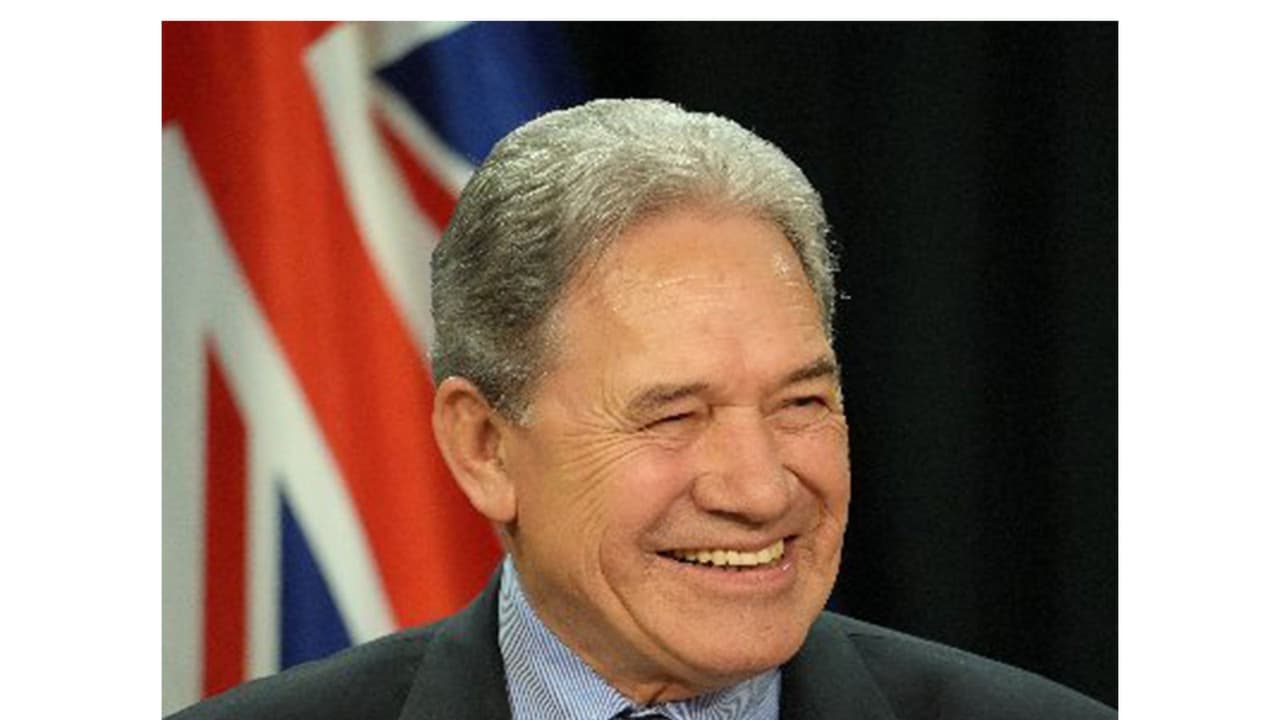
NZ Foreign Minister Winston Peters has criticised his government over immigration changes linked to the India FTA, alleging the new policy is discriminatory and ‘targets Indians and Indians alone’ compared to other FTA partner countries.
New Zealand Foreign Minister and New Zealand First leader Winston Peters has criticised the New Zealand National Party-led government over reported changes to immigration settings linked to the New Zealand-India Free Trade Agreement (FTA), claiming the new changes in policy would impose stricter entry norms on Indian citizens compared to nationals from other FTA partner countries.
Peters Alleges ‘Abrupt Change of Course’ Targeting Indians
In a post on X on Thursday, Peters alleged that the government had made an “abrupt change of course” by introducing immigration changes that “target Indians and Indians alone”. “For six months, we have been warning that the India-New Zealand FTA would, under current policy settings, mean open slather immigration from India to New Zealand,” Peters said.
He claimed officials had raised concerns that the changes could affect New Zealand’s bilateral relationship with India and its reputation as a place to do business and could potentially invite legal challenges or retaliation from New Delhi. “Officials have warned Ministers that these changes could have impacts on our bilateral relationship with India and our reputation as a place to do business, and be open to legal challenge or retaliation from India. We have also seen evidence of officials discussing the importance of these changes not being publicly announced for fear of the Indian reaction,” the post added.
Details of Alleged Discriminatory Changes
Peters alleged that the changes approved by New Zealand’s Immigration Minister included imposing a labour market and economic needs test for Indian citizens that does not apply to citizens of other relevant FTA partners, restricting Indian citizens from applying for temporary employment entry visas from within New Zealand, and providing different treatment regarding partners and children.
He further claimed that Indian citizens would face restrictions in counting work experience gained on temporary employment entry visas towards residency requirements, unlike citizens of some other FTA partner countries, such as China, Thailand and South Korea. “The Indian Government has the right to know about National’s intention to treat Indian citizens in a discriminatory manner relative to citizens of other FTA partners, such as China, Thailand, or South Korea,” Peters stated.
Calls for Transparency and Equitable Treatment
The New Zealand First leader further stated that his party had opposed including migration concessions in the India FTA, but argued that if such commitments were negotiated, the government should be transparent with India about how they would be implemented. “We suggest that if additional restrictions are applied to Indians travelling to New Zealand under this FTA, the only consistent and principled step would be to apply these restrictions to citizens of all FTA partners,” he said.
Peters urged Prime Minister Christopher Luxon, the Trade Minister and the Immigration Minister to clarify the matter publicly before the FTA legislation is passed, warning of possible trade retaliation, legal action and reputational damage. “There must be equitable treatment for citizens of all countries coming into New Zealand under our various FTAs. Discriminatory treatment is not the New Zealand way,” he said.
Context of the New Zealand-India FTA
The remarks come months after India and New Zealand signed the India-New Zealand FTA at Bharat Mandapam in the national capital in April this year. The agreement was formally signed by Union Commerce Minister Piyush Goyal and New Zealand Minister for Trade and Investment Todd McClay in the presence of senior officials, business leaders, and industry stakeholders from both countries.
As part of the agreement, New Zealand has committed to investing approximately USD 20 billion in India over the next 15 years, signalling long-term confidence in India’s growth trajectory. (ANI)
(Except for the headline, this story has not been edited by Asianet Newsable English staff and is published from a syndicated feed.)