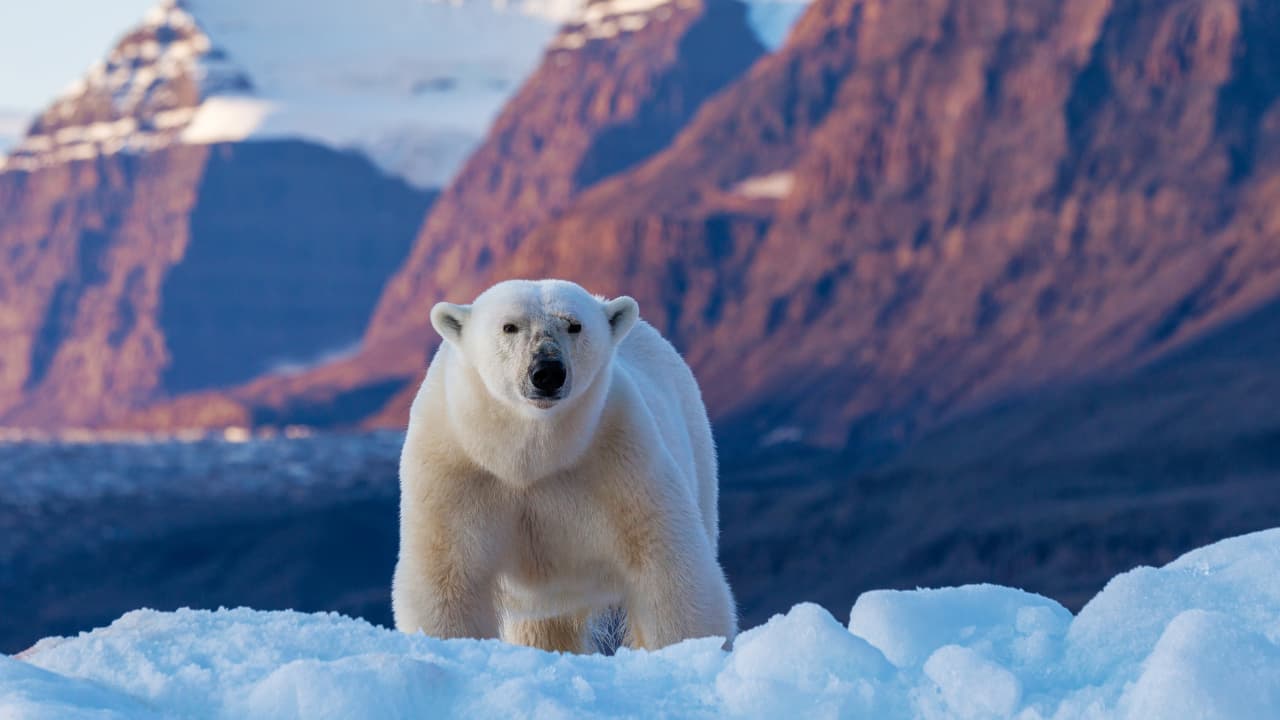
Discover how a group of polar bears in Greenland is adapting to warmer climates. A new study shows DNA changes may help their survival amid melting sea ice.
A new study shows that polar bears might be developing ways to survive in increasingly warmer conditions. Scientists have observed changes in the DNA of polar bears living in one of the warmest regions of Greenland, suggesting that the animals could be slowly adapting to a rapidly warming Arctic.
Researchers at the University of East Anglia (UEA) have identified that certain genes related to heat stress, ageing, and metabolism behave differently in polar bears residing in south-eastern Greenland. This area is significantly warmer and has much less sea ice compared to other parts of the Arctic. According to the scientists, these genetic changes might be aiding the bears in surviving in challenging conditions, although the species as a whole remains in serious danger.
Polar Bears in Danger
The findings provide important insight into how various groups of polar bears may evolve as their environments continue to change. Understanding these genetic shifts could help conservationists determine where to focus their efforts and identify which bear populations are most at risk.
More than two-thirds of polar bears are expected to disappear by 2050 if current warming trends continue, and the species could face extinction by the end of the century. Temperatures in the Arctic Ocean are already higher than ever recorded, and the sea ice that polar bears rely on for hunting seals is shrinking each year. With less ice, bears become more isolated, food becomes harder to find, and survival becomes increasingly difficult.
How the Scientists Carried Out the Study
The research, published in the journal Mobile DNA, involved comparing blood samples from polar bears in the north-east and south-east of Greenland. The team focused on “jumping genes,” small mobile sections of DNA that can move within the genome and influence how other genes function.
By studying these genes, the researchers aimed to determine whether temperature differences between the two regions affected the genetic activity of the bears. They found that north-eastern Greenland is much colder and more stable in temperature throughout the year. In contrast, the south-east is warmer, more variable, and has far less ice. This creates a harsher environment for the bears that live there.
According to lead researcher Dr Alice Godden from UEA’s School of Biological Sciences, the discovery offers a “small glimmer of hope,” but should not be interpreted as a sign that polar bears are safe. She explained that DNA functions as the body’s instruction manual, guiding an organism’s growth, development, and function.
By comparing genetic activity with local climate data, the team found that the warmer temperatures in south-eastern Greenland appear to be causing a strong increase in the activity of jumping genes. In other words, different groups of polar bears are experiencing different levels of genetic change, depending on the climate they live in. These rapid shifts may represent a last-ditch effort by the bears’ bodies to cope with changing conditions.
Dr Godden described the finding as the first evidence showing that a particular group of polar bears is using jumping genes to “rewrite their own DNA,” possibly as a survival response to melting sea ice.
What the Discovery Could Mean for Polar Bear Survival
The south-eastern Greenland bears may serve as an example of how the species could adapt to climate change. Their unique DNA could provide clues about resilience and survival, making them a key focus for future conservation efforts.
The team also observed changes in the expression of genes related to fat processing. This is particularly significant, as food shortages are becoming more common in warmer areas. It may also suggest that these bears are slowly adjusting to a diet with more plant material and fewer seals, which remain the main food source for bears in colder regions.
The study is the first to show a statistically clear link between rising temperatures and DNA changes in a wild mammal species.
The next step, according to Dr Godden, is to examine more polar bear populations. There are around 20 sub-populations worldwide, and studying them could help scientists better understand how the species is responding to the climate crisis. She hopes the research will highlight the urgent need to study polar bear DNA in detail, before it is too late.