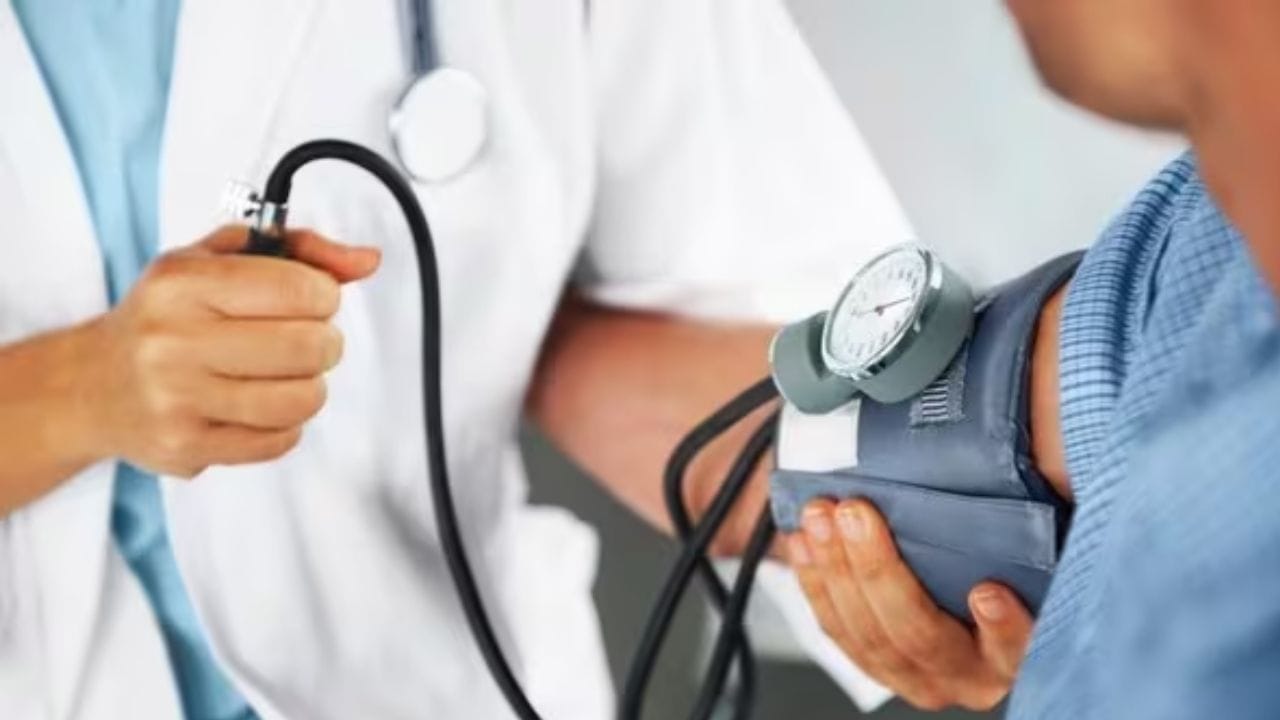
ECHS has changed the treatment prices.
ECHS: There is going to be a very important change on the health services front for the ex-servicemen who have protected the country’s borders and their dependents. If you or any member of your family avails the ‘ECHS’ facility, then this news is very important for you to know. According to the latest notification issued by the Health Ministry, a major change has been made in the treatment rates. Now the prices of treatment under ECHS will be the same as fixed in the new list of Central Government Health Scheme (CGHS). This new rule will come into full effect from December 15, 2025.
New rates will be applicable from December 15
This decision of the government will have a direct impact on lakhs of ex-servicemen families. The rates of treatment which were prevailing till now are changing. From December 15, OPD, hospitalization expenses, medicines and bill claims (reimbursement) everything will be decided according to the new mathematics. However, the most reassuring thing is that ex-servicemen will continue to get the facility of ‘cashless treatment’ like before, that is, there will be no worry of spending money immediately from the pocket. But, this is completely changing the way hospitals will calculate your bill. The purpose of this change is to make the system transparent so that there is no confusion between the patient and the hospital.
The quality of the hospital will determine the cost of your treatment.
The most interesting aspect of this new system is that the ‘one country, one price’ formula will no longer work. The cost of treatment will depend on which city you are getting treatment in and how good that hospital is. The government has divided hospitals on the basis of their quality (Quality Accreditation) and location:
- Quality standards: The government will now pay 15% less than the fixed rates to hospitals which do not have quality accreditation like NABH. At the same time, hospitals with big and modern facilities will get 15% more money.
- Classification of cities: The government has divided the cities into three categories (Tier-1, Tier-2, Tier-3). Treatment rates will be met in big metros (Tier-1). In medium cities (Tier-2) this rate will be reduced by 10%, while in small cities (Tier-3) it will be reduced by 20%.
- Special relief: The areas of Jammu and Kashmir, Ladakh and North-East India have also been kept in Tier-2 category, so that treatment there remains accessible and affordable.
How much will the bill change for which patient?
Which ward you get when admitted to hospital will also decide the amount of the bill. The basis of new rates has been made ‘semi-private ward’. If we understand it in simple language:
- Semi-Private Ward: Standard rates will be applicable for this.
- General Ward: If the patient is admitted in the general ward, the cost of treatment will be 5% less than the standard rate.
- Private Ward: On availing the facility of private ward, the expenditure will be added 5% more than the standard rate.
However, the prices of OPD, lab tests, day-care and some specific tests will remain the same for all patients, irrespective of their ward. Another important information is that cancer surgery will be done at the old rates, but new rates will be applicable for chemotherapy and radiation.
Also read- 8th Pay Commission: 21 days left in the new year, when will the salary increase?