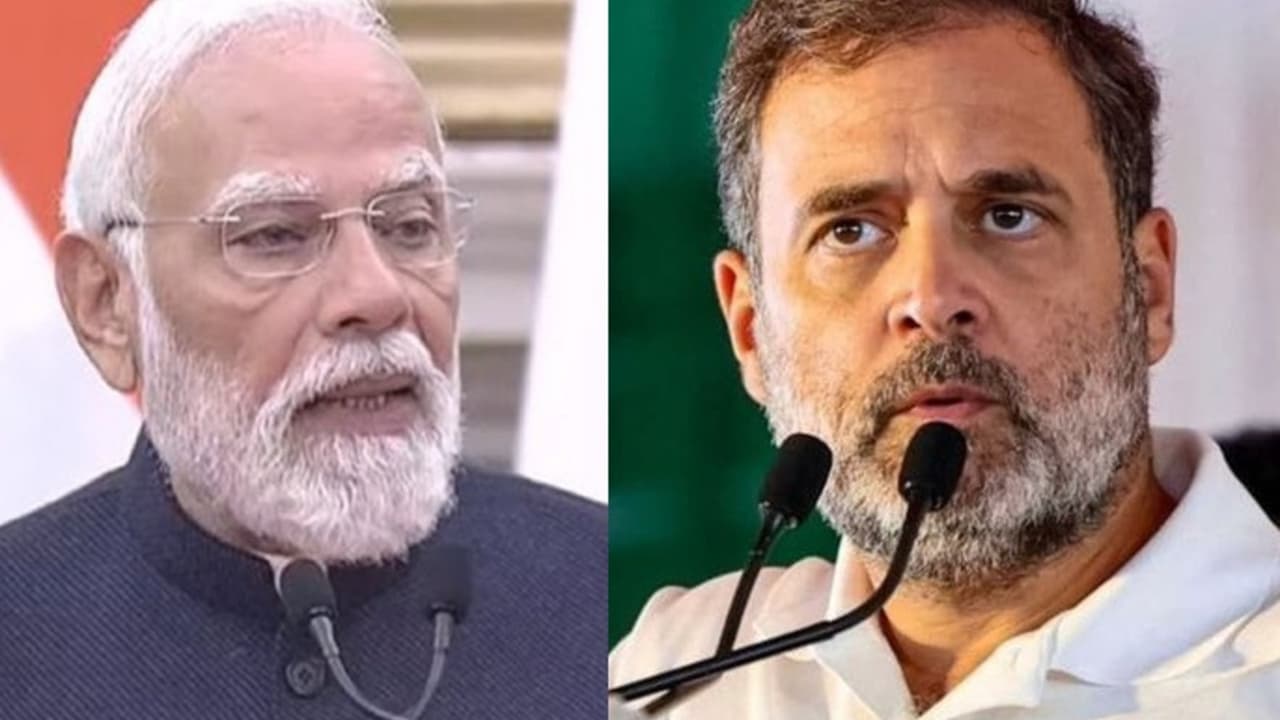
Is the command of RTI system going to change today? PM Modi, Amit Shah and Rahul Gandhi are deciding on the new Chief Information Commissioner behind closed doors, while 8 posts are vacant in CIC and 30,838 cases are pending. The eyes of the country are fixed on this meeting.
New Delhi. Delhi’s politics has once again become heated regarding the appointment of Chief Information Commissioner (CIC), the most important post to strengthen the Right to Information (RTI) system in the country. Prime Minister Narendra Modi, Union Home Minister Amit Shah and Leader of Opposition in Lok Sabha Rahul Gandhi are soon going to participate in an important closed-door meeting. This meeting is being considered very important because in this the name of the next Chief Information Commissioner of the country will be decided.
What was the meeting for?
CIC is the institution where lakhs of RTI appeals and complaints remain pending. In such a situation, how quickly the new chief and the new team are appointed will have a direct impact on the rights and transparency of common citizens. Sources reveal that this meeting is not just for one post, but also to fill eight big vacant posts within the CIC. This means that the RTI system may change completely in the coming days.
Is the system in danger due to there being only two Information Commissioners in CIC?
According to the CIC website, at present the Commission has only two Information Commissioners left – Anandi Ramalingam and Vinod Kumar Tiwari. Whereas there should be a total of 11 posts in the entire commission: one Chief Information Commissioner and 10 Information Commissioners. At present the situation is that 8 posts are vacant. The number of pending cases has reached 30,838. This means that the RTI applicant may have to wait not only for months but even for years to get the reply. That is why this appointment process is not just administrative, but a step directly related to democracy and transparency.
What will be decided in the meeting of PM Modi-Rahul Gandhi?
According to Section 12(3) of the RTI Act, the Prime Minister is the chairperson of the high-level selection committee formed for the appointment of CIC and Information Commissioners. The committee also includes the leader of the opposition and apart from this, a Union Minister nominated by the Prime Minister is also a part of it. According to the law, names go forward on the joint recommendation of these three. Therefore, this meeting will be very important because both the government and the opposition will have to agree on such names who are impartial, experienced and capable of strengthening the structure of RTI.
Why is the Supreme Court watching this process so closely?
The government had recently told the Supreme Court that the selection for CIC and other information commissioners will be done by the PM-led committee today. The court is keeping an eye on this because many times in the last few years, pendency has increased due to posts in CIC remaining vacant for a long time. The court had told the government that there should not be any delay in the appointment process. This is why today’s high-level meeting has been made special by the eyes of the judiciary, political circles and civil society.
Who will be the new CIC? Will this speed up the RTI system?
People across the country are wondering who will be the new CIC and whether he will be able to end the record pendency. Transparency organizations believe that merit, fairness and administrative experience should be kept foremost in selection. If the new CIC and 8 new commissioners are appointed on time, the hearing of RTI cases is expected to be expedited. This will provide relief to the common people in getting answers and will also increase the accountability of government departments. But until the meeting ends, and the names are not revealed, the question remains in the air: Can today’s meeting become a turning point in the history of transparency in India?