New Delhi: Bharat Intelligence uses AI to organise India’s rural workforce, with early results from the field demonstrating incredible success by generating over two crore jobs in ten days, with over 100 crore potential earnings for the workforce. Cofounder of the startup, Gourav Sanghai says, “One of our biggest insights is that each village behaves like its own micro-economy. Social structures, caste dynamics, local industries, infrastructure, and even access to water or transport create entirely different labour behaviours. Two neighbouring villages can have opposite mobility, wage expectations, or risk tolerance. Using our Digital Village Model, we now map hundreds of data points — socio-economic indices, cultural patterns, migration history, crop intensity, and resource access. With this context layer, we can predict how local communities behave, how workers respond to opportunities, and how labour demand will evolve with far greater accuracy.”
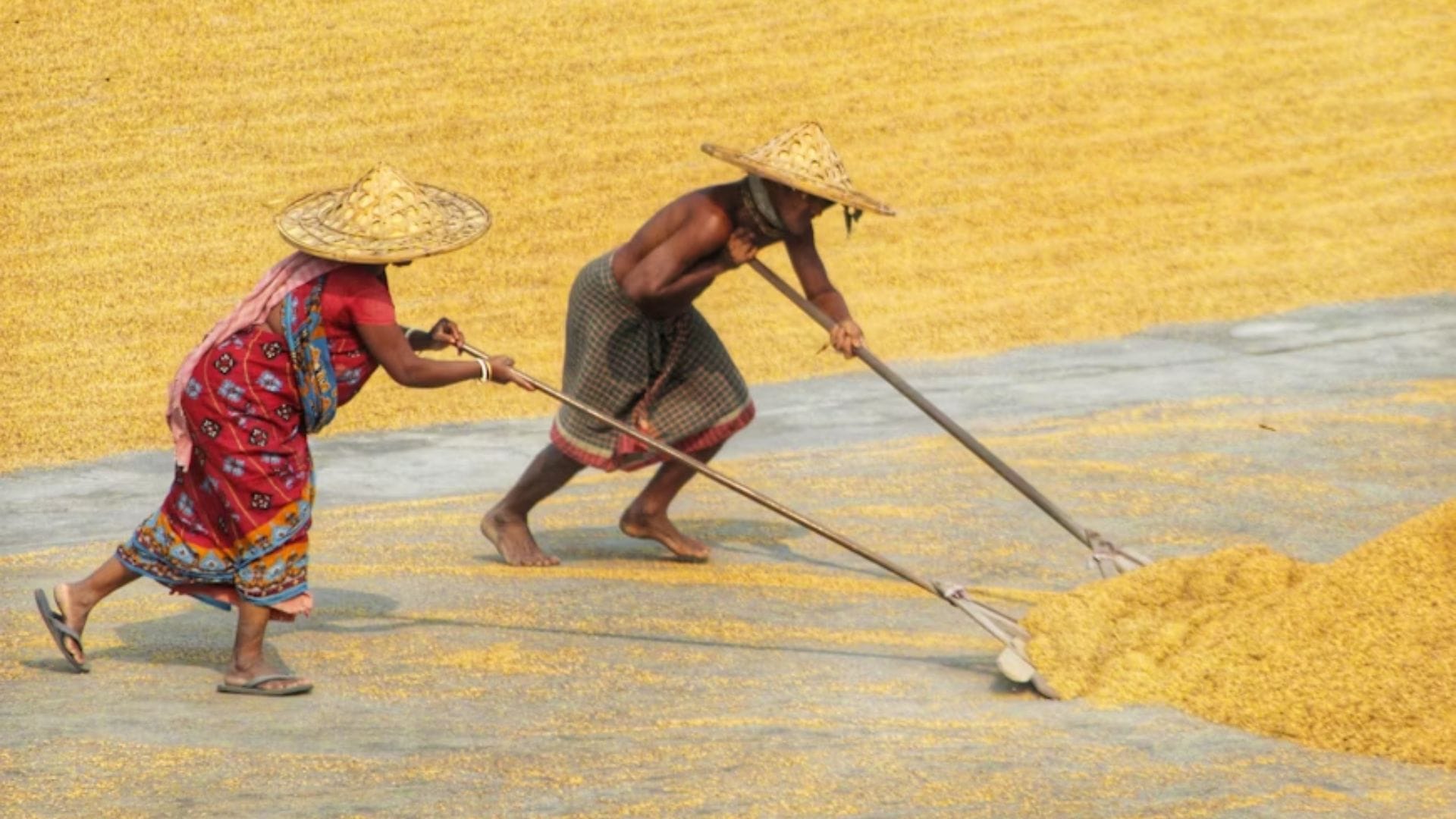
The approach does not shake up the system too much, and is made available in a way that integrates easily with how things are done. The rural agricultural economy has largely remained unchanged since independence, depending on fragmented, rain-sensitive, family-operated land holdings. The labour economy is for the most part informal, unorganised and untraceable, with landless agricultural labourers hired casually for sowing, transplanting, weeding and harvesting as required. There are large number of seasonal migrants, with daily wages being the most common form of payment, often well below official minimum wages. In some states, agricultural workers are still paid in kind, getting some of the produce.
Adapting tech to unique skills of workforce
Each crop requires a unique skill set, from pomegranates in Solapur to onions in Ahmednagar to grapes in Nashik. Bharat Intelligence uses dynamic learning models to adapt its tech to these variations. Sanghai tells us, “We’ve deliberately started with grapes in Nashik to reduce complexity, and that makes demand highly predictable. Once we build a farmer profile and understand cropping patterns, the labour curve becomes clear. With plantation dates and standardised horticulture practices, we can map peak-labour windows and create precise labour calendars. Demand forecasting is not tricky; it’s scientific. The real challenge lies on the labour side. Recruiting the right teams, understanding their backgrounds, upskilling where needed, and ensuring availability during seasonal peaks is where AI is most valuable. Our system models worker behaviour, skills, reliability, and mobility, allowing us to rehire, retrain, and mobilise teams instantly — delivering, predictable work at scale.”