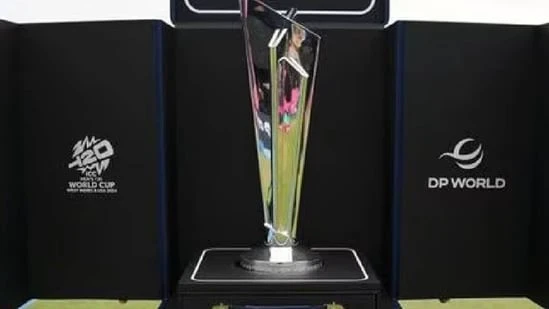
The International Cricket Council faces a tricky situation just two months ahead of the 2026 T20 World Cup in India, after Reliance Industries-controlled JioStar informed the governing body that it intends to withdraw from the media rights deal for the tournaments.
The move comes despite two years remaining on the four-year contract, reportedly due to significant financial losses, according to the Economic Times.
Following JioStar’s formal notice, the ICC has restarted the sale of media rights in India for the 2026-29 cycle, seeking $2.4 billion, according to the report. By comparison, the ICC’s 2024-27 rights, which included at least one men’s tournament each year, were valued at $3 billion. The report added that the ICC approached Sony Pictures Networks India (SPNI), Netflix, and Amazon Prime Video, but none showed interest due to the high pricing, leaving the council in a challenging position, according to sources familiar with the discussions.
If ICC is unable to find a new broadcaster, JioStar will have no option but to fulfil the remaining contract until 2027.
The report revealed that JioStar doubled the provisions for expected losses on sports contracts in 2024-25, rising to INR 25,760 crore from INR 12,319 crore the previous year. The value, which emerged during the company’s audited standalone financials, reflected the pressure from long-term sports and content rights that are expected to yield less revenue than their costs.
Before the merger with Viacom18, Star India had reported a net loss of INR 12,548 crore for the year ended March 31, 2024, largely due to an INR 12,319-crore provision for a costly ICC media rights deal, according to a regulatory filing. In contrast, ICC recorded a $ 474 million surplus in 2024, highlighting the strong economics of cricket, even as JioStar faces heavy losses.
JioStar’s financial difficulties intensified after the Indian government’s ban on real-money gaming, which had been the single largest advertiser in the sport. The report said that the exit of real-money gaming and fantasy platforms like Dream11 and My11Circle resulted in roughly $840 million ( ₹7,000 crore) gap.
Despite being a major broadcaster in India, SPNI believe the ICC’s price tag is still too high. In fact, the network has taken a cautious stance on big-ticket cricket rights despite already owning substantial international properties, which include the Asian Cricket Council package worth around $170 million, New Zealand Cricket rights valued at $100 million, and England and Wales Cricket Board rights exceeding $200 million. However, such has been the pressure on the Indian sports media landscape that Sony was compelled to sub-license the digital media rights for the India-England Test series in July and August of this year to JioStar to mitigate financial risk.
Netflix, which is still in the early stages of testing sports entertainment properties, has thus far avoided cricket and currently only has a deal with WWE. Prime Video, on the other hand, only has a partnership with New Zealand cricket until end of 2026 and holds the ICC rights in Australia till 2027.