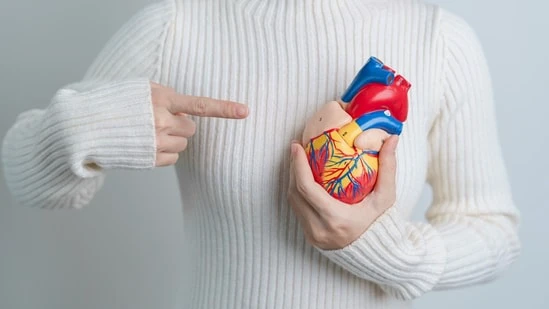
Heart disease continues to be one of the leading causes of death worldwide, and surprisingly, much of it is preventable. According to the World Health Organization (WHO), nearly 19.8 million people died from cardiovascular diseases in 2022, with 85% of these deaths caused by heart attacks and strokes.
Most of these events occur because of a blockage in the arteries, those essential pathways that carry oxygen-rich blood to the heart and brain. Here’s the thing you may not know: your daily food choices can either protect your arteries or slowly clog them.
WHO says factors like tobacco use, too much salt, physical inactivity, obesity, alcohol, and, most importantly, an unhealthy diet, all accelerate plaque buildup. To help people make better choices, Dr Mahadev Swamy B, Consultant – Interventional Cardiology, SPARSH Hospital, explains the foods most likely to block your arteries and raise your heart attack risk.
What are blocked arteries?
Your arteries carry oxygen-rich blood throughout the body. But when the inner walls of these arteries get damaged, often due to high blood pressure, poor diet, or smoking, the body responds with inflammation. According to the British Heart Foundation, this inflammation attracts fatty deposits, which slowly harden into plaque (atheroma).
Over time, plaque builds up, narrows the arteries, and restricts blood flow. This process, called atherosclerosis, can eventually lead to heart attacks or strokes. Dr Swamy explains that persistent inflammation and poor lifestyle habits make this buildup even worse, increasing the chances of an artery becoming dangerously blocked.
7 foods to avoid to prevent blocked arteries
Here are 7 foods you need to avoid to reduce the risk of blocked arteries:
1. Deep-fried foods
Think pakoras, samosas, and fried chicken-delicious, yes, but loaded with trans fats and reheated oils. These raise LDL (bad) cholesterol, trigger inflammation, and directly contribute to plaque formation. Dr Swamy warns that frequent consumption can significantly speed up arterial blockage.
2. Processed meats
Sausages, bacon, and salami contain saturated fats, sodium and chemical preservatives. A study published in the Journal of Nutrition has linked these foods to high cholesterol, stiffening of arteries, and a greater risk of coronary artery disease. Even small daily portions can gradually harm heart health.
3. Refined carbs and sugary foods
White bread, pastries, sweets and sugary drinks spike blood sugar quickly. This raises triglycerides and promotes fat accumulation around arteries. Over time, this increases the risk of diabetes, another major contributor to heart disease.
4. Packaged snacks high in trans fats
Chips, namkeens, biscuits, and baked junk foods often contain hydrogenated oils. Trans fats not only increase LDL but also reduce HDL (good) cholesterol. This dangerous combination accelerates the narrowing of blood vessels.
5. Foods excessively high in salt
Instant noodles, packaged soups, pickles, chips, and restaurant meals are often loaded with sodium. High salt intake raises blood pressure, damages artery walls, and worsens the buildup of plaque. Cardiologists repeatedly advise reducing sodium to protect heart health.
6. Red meat in large quantities
Regular consumption of mutton, beef, or lamb increases saturated fat and cholesterol. Research published in the Wiley Open Access Collection also shows that red meat raises TMAO, a gut-derived compound linked to arterial plaque formation. Dr Swamy recommends limiting red meat to occasional meals.
7. Artificially sweetened drinks
Diet sodas may disrupt metabolism and increase cravings. Energy drinks, meanwhile, raise heart rate and blood pressure, adding strain to the cardiovascular system. Consuming them frequently increases risk over time.
Other major causes of blocked arteries
Apart from high blood pressure, several other factors accelerate artery blockage:
- High cholesterol
- Smoking
- Diabetes
- Obesity or excess weight
- Ageing-plaque builds over years, but younger adults with risk factors are affected too
- Stress, which can damage artery walls
- Alcohol, which can weaken the heart muscle
- Lack of sleep, increasing inflammation and risk
- Poor diet, high in salt, trans fats, sugar and saturated fats
Dr Swamy emphasizes that by avoiding these foods, eating more fruits, vegetables, whole grains, and lean proteins, and staying active, you can reduce your chances of blocked arteries and protect your heart.