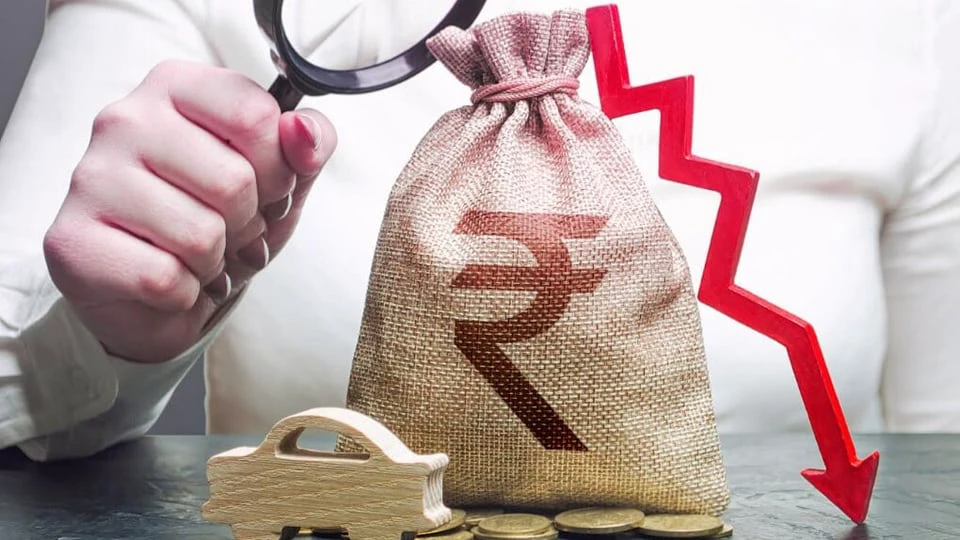
The Indian rupee’s slide past ₹90 per US dollar marks its weakest level ever and is a major concern for the country. This record-low level has sparked widespread criticism of the government.
While currency fluctuations may seem technical, a sharp and profound depreciation like this has a profoundly negative impact on ordinary citizens in very real and immediate ways.
The fallout affects everything from fuel bills to daily essentials, as well as job security and overseas education. The impact is both direct and indirect. To understand the full picture, it’s vital to examine how a falling rupee affects everyday life and what experts are saying about this unprecedented decline.
Raj Gaikar, Research Analyst at SAMCO Securities, explains the multi-layered impact on citizens. He states, “Rupee slipping to ₹90 per dollar and hitting a record low impacts ordinary citizens both directly and indirectly. India depends heavily on imported crude oil, so a weaker rupee immediately pushes up the cost of petrol, diesel, and LPG. Over time, these higher fuel bills spill over into transportation, food distribution, and logistics, making daily essentials more expensive for households.”
Gaikar adds, “Imported goods like smartphones, laptops, medicines, and medical equipment also become costlier. This is because companies need more rupees to buy the same dollar-priced items.” Families planning foreign education or travel overseas feel the pressure instantly. Fees, tickets, and basic expenses abroad rise sharply.
He further notes that businesses relying on imported raw materials face higher costs. Some may delay expansion, reduce hiring, or cut employee benefits to manage this pressure. This can gradually affect income stability for many workers. Hence, a falling rupee erodes purchasing power. It acts as an invisible burden on monthly budgets, increasing living costs and eroding the financial security of ordinary citizens over time.
Market veteran Ajay Bagga highlights the broader macroeconomic threat: “Imported inflation is a risk for Indian oil and gas consumers, from industries to households.” He warns that the more than 5% fall in the Indian Rupee makes it the worst-performing Asian currency for 2025.
These observations highlight the seriousness of the situation. Here are the five key ways a weakening rupee affects common citizens. Keep in mind that these developments will play out gradually as the currency continues to weaken or hovers near record lows:
1. Fuel prices rise, and everything else follows
Since the nation relies heavily on imported crude oil, a weaker rupee automatically raises the cost of petrol, diesel, and LPG. When fuel prices rise, the costs of transportation, logistics, and supply chains increase. This, in turn, drives up the prices of vegetables, groceries, and other daily essentials. The rise in fuel prices is a gradual process, with the impact felt most if the rupee continues to weaken.
2. Imported goods become more expensive
Anything the nation imports, from smartphones and laptops to medical devices and medicines, becomes costlier. This happens because more rupees are needed to exchange for the same amount in dollars. Consumers either pay more or delay purchases, while businesses struggle with thinner margins.
3. Overseas education and travel costs shoot up
Students planning to study abroad face higher tuition fees, increased living expenses, and additional remittance costs. Similarly, families planning foreign vacations find that flight tickets, hotel stays, and even basic expenses rise sharply overnight. What was once manageable can quickly become unaffordable.
4. Businesses face higher input costs, impacting jobs
Industrial work depends heavily on imported raw materials, electronics, and automotive components. As the rupee weakens, manufacturing experiences cost inflation. To manage this, businesses may postpone expansion, reduce hiring, trim employee benefits, or slow salary growth. This creates uncertainty in the job market and affects workers’ income stability.
5. Imported inflation becomes a serious economic threat
As Ajay Bagga has warned, the risk of imported inflation rises when the rupee weakens sharply. Since the nation imports large amounts of crude oil, natural gas, edible oils, and industrial commodities, the domestic economy is bound to become more vulnerable. With the rupee becoming the worst-performing Asian currency of 2025, inflationary pressure is likely to intensify further for both households and industries.
In summary, the rupee crossing ₹90 per dollar is more than just an economic data point; it’s a direct impact on the everyday lives of millions. Unless the currency stabilises, households in the country may continue to experience rising costs, budget constraints, and deepening financial stress in the months ahead.