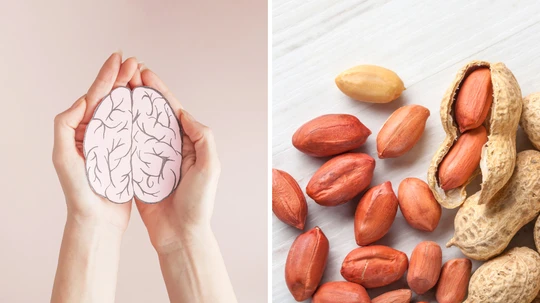
A new study carried out by Maastricht University Medical Center in the Netherlands suggests that eating a moderate amount of unsalted, skin-roasted peanuts every day can boost blood flow in the brain and sharpen memory for older adults.
The team behind the research wanted to see how peanuts affect blood vessels, since those vessels play a huge part in keeping the brain healthy as we age.
Why Brain Blood Flow Matters
As people get older, those tiny vessels aren’t as good at their job-less oxygen and fewer nutrients reach brain cells. That drop in blood flow often leads to memory problems and can even play a role in dementia. Diet is one of the easiest things to change, so it makes sense that scientists keep hunting for foods that help protect brain blood vessels.
Why Peanuts Were Chosen
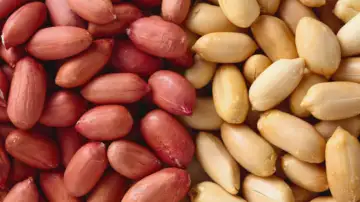
Even though they’re technically legumes, peanuts actually have a lot in common with tree nuts. They’re packed with protein, fibre, and healthy fats, plus a bunch of unique compounds you don’t find everywhere else. The researchers zeroed in on peanuts with the skins still on, since the skins are loaded with polyphenols like resveratrol-an antioxidant. Peanuts also have a lot of L-arginine, an amino acid that ramps up production of nitric oxide. That’s the stuff that relaxes blood vessels and keeps blood moving freely.
How the Study Was Conducted
For the study, researchers rounded up 31 healthy adults between 60 and 75 years old-no heart disease, no diabetes, no peanut allergies. They set up a randomised, single-blind, controlled crossover trial. It worked like this: for sixteen weeks, participants ate 60 grams of unsalted, skin-roasted peanuts every day. Then, after an eight-week break, they switched and avoided peanuts and nuts completely for another sixteen weeks. During the peanut phase, people could toss the peanuts into their meals, but no cooking or crushing was allowed.
To measure blood flow in the brain, the team used a special MRI technique-pseudo-continuous arterial spin labelling. Memory and thinking were tested on computers, and everyone’s blood pressure and diet were tracked along the way.
What the Researchers Found

Eating peanuts every day led to clear improvements in how brain blood vessels reacted. Total brain blood flow jumped by 3.6%. In grey matter, blood flow climbed 4.5%. The frontal lobes-a key area for memory and decision-making-saw a 6.6% increase. Temporal lobes went up by 4.9%. That’s a real boost in areas that matter for language and memory.
Memory itself got a bump, too. Verbal memory scores rose by almost 6%-people could remember and recognise more words. Not every mental skill improved, though; things like executive function and reaction time stayed about the same.
There were a few heart health benefits as well. Systolic blood pressure dropped by about 5 mmHg, and pulse pressure fell by 4 mmHg while people ate peanuts. Even with the extra calories-about 340 more per day-most people’s weight barely changed.
What the Results Mean
Regularly eating unsalted, skin-roasted peanuts might help older adults keep their brains and blood vessels in better shape. We don’t know exactly why-it could be the L-arginine, the antioxidants in the skins, the healthy fats, or a mix of all three. More work needs to be done to figure out which part matters most and whether peanut butter or other peanut products work just as well.
This study offers early evidence that a pretty basic, affordable snack could help with blood flow and memory as people age. Next up, researchers want to check out different forms of peanuts and see if smaller servings can deliver the same benefits.