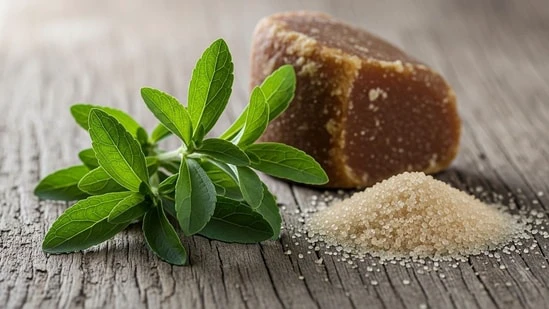
When the temperature drops, most of us reach for warm drinks, comforting desserts, and extra helpings of sweet treats. It feels natural in winter, but this subtle rise in sugar intake often adds to seasonal sluggishness, minor colds, and slower digestion.
Your body is already working harder to stay warm, and excess refined sugar only makes things heavier. So what’s a simple, realistic change you can make to feel lighter and more supported this season? According to Nicole Linhares Kedia, Sports Nutritionist and Integrated Health Coach, the answer might be sitting in your kitchen all along: just switch to a different sweetener, she suggests. Jaggery, or gud, is a minimally processed sweetener made from sugarcane or palm sap. It carries natural minerals and antioxidants that refined sugar lacks. During winter, this gentle support can make a noticeable difference, providing steady energy, easier digestion, and improved comfort after meals.
It is about choosing a form that works with your body instead of against it. By making this slight shift, you can give your winter routine a nourishing upgrade while still enjoying the flavours you love.
Jaggery vs refined sugar: The nutritional difference
Unlike jaggery, refined sugar is stripped of nutrients, explains Nicole Linhares Kedia, Sports Nutritionist and Integrated Health Coach. Refined sugar offers only quick calories with no meaningful support for immunity, energy, or digestion, making it less helpful during winter, when the body already feels sluggish and more prone to minor seasonal discomforts.
The nutritional power of ‘gud’
Jaggery or ‘gud’ is far less processed and naturally rich in iron, magnesium, and antioxidants. According to the expert, the following are the key nutrients in jaggery and how they support your health during winter:
- Iron and magnesium help to reduce winter fatigue and supports steady energy.
- Antioxidants strengthen natural defence against seasonal sniffles.
- Minimal processing retains minerals and natural components, making it a more wholesome option than refined sugar.
Benefits of jaggery in winter
Jaggery is good for circulation:“It not only provides gentle warmth but also boosts circulation,” says the nutritionist. While its warmth has long been valued in traditional winter eating, better circulation helps you feel more comfortable in colder weather, especially when it comes to your hands and feet. It also supports steady blood flow when the temperature drops.
Improves digestion: Winter often means heavier meals and slower movement, which can leave you feeling sluggish. Jaggery has been used for years as a simple after-meal aid to ease digestion and alleviate the heavy feeling many people experience during the season.
Guilt-free winter comfort: The nutritionist suggests that jaggery can be added to laddoos, porridge bowls and turmeric milk without any guilt, to make you feel warm in winter.
Moderation is the key
“Even though jaggery may be a better alternative to sugar, it’s still a form of sugar. So moderation is the key,” adds the expert.
How to add jaggery to your diet?
Jaggery can be paired with fibre-rich foods, nuts and seeds, which help in steady blood glucose. This pairing slows down absorption and helps prevent you from feeling tired soon after eating something sweet.
- Add a small amount of jaggery to warm oatmeal topped with almonds or seeds.
- Enjoy a tiny piece after a high-fibre meal.
- Add a pinch of jaggery to porridge made with flaxseed or chia for a smoother, more energising boost.
These small tweaks help you enjoy the comfort of jaggery without unwanted spikes.
FAQ’s: Jaggery vs Sugar
Is jaggery healthier than refined sugar?
Yes. Jaggery contains minerals and antioxidants, while refined sugar offers only empty calories.
Does jaggery help with winter fatigue?
Its iron and magnesium content can support better energy during colder months.
Can jaggery improve digestion?
A small amount after meals may support smoother digestion.
How can I use jaggery daily?
Add it to porridge, haldi doodh, or homemade winter snacks in controlled portions.