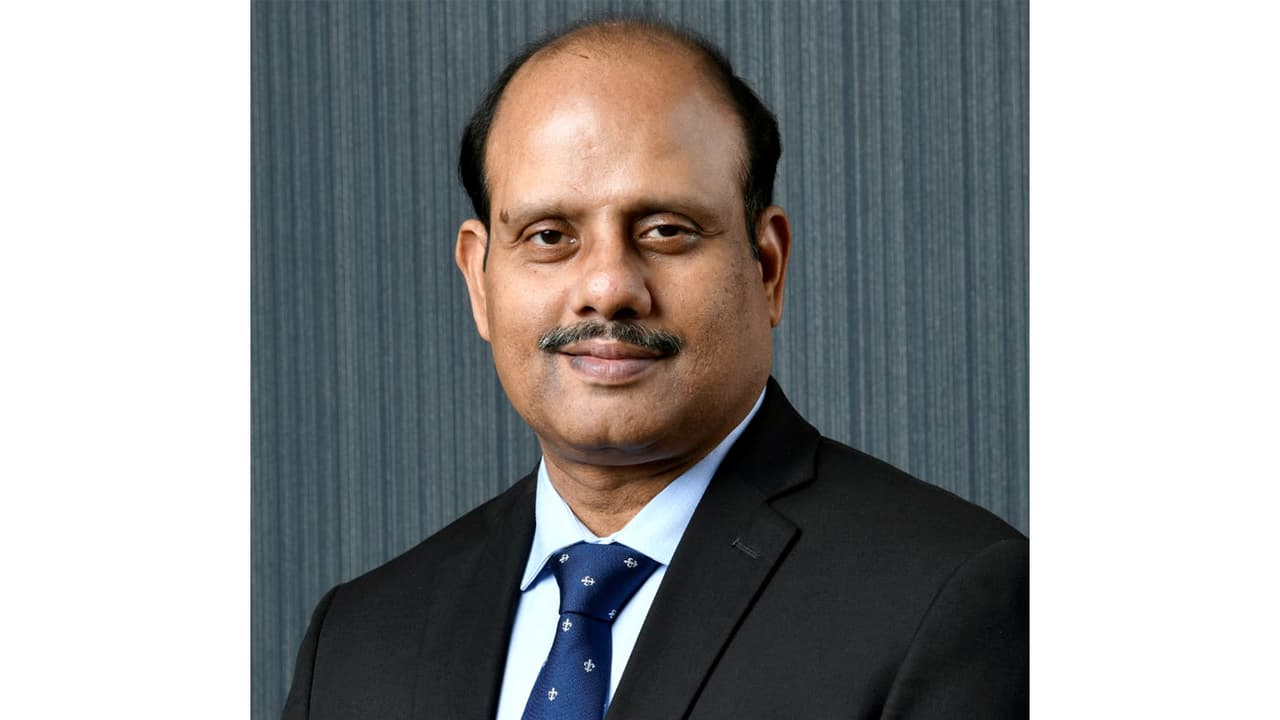
RBI Deputy Governor Swaminathan J presented a six-point agenda to bolster India’s banking sector. He highlighted collaboration over competition, managing evolving risks, and fostering strategic partnerships between banks and fintechs as key priorities.
The Reserve Bank of India (RBI) Deputy Governor, Swaminathan J on Monday outlined a six-point agenda to strengthen India’s banking ecosystem amid rapid technological shifts, emerging risks and rising customer expectations. Addressing the Standard Chartered Bank’s annual flagship event, “Success Through Synergy,” the RBI DG emphasized that collaboration, not competition alone, will define the next phase of India’s financial sector growth. The audience included industry leaders and former cricketer VVS Laxman.
Evolving Risk Landscape
The RBI DG noted that traditional risks such as credit, market and liquidity have become “more granular and interconnected,” while new-age threats like cyberattacks, climate-related vulnerabilities, and reputational risks are rising sharply. “The traditional risks we grew up with, such as credit, market and liquidity risk, have not gone away. In some ways, they have become more complex. Lending is more granular, markets are deeper, and interconnectedness has increased,” RBI DG said.
He emphasized that risk management must be “central to strategy,” not a back-office activity. Boards, he said, must continually reflect on the risk culture they promote.
Bank-Fintech Collaboration: A Partnership, Not Rivalry
Further, terming the fintech-bank collaboration a good batting partnership, Swaminathan rejected the notion of a rivalry between the two sectors. Banks bring trust, compliance and risk management; fintechs bring agility and innovation. The future, he said, lies in structured partnerships that balance both strengths.
“Fintechs have entered almost every segment of financial services, from payments and small ticket credit to wealth management and cross-border remittances. Many of them have brought fresh ideas, agility and a new way of looking at customer pain points,” he said.
“Banks bring something equally important. They bring trust, balance sheet strength, experience in managing risk over cycles, and deep knowledge of regulation and compliance,” he said.
Meeting Human Expectations in a Digital Age
Despite technological advances, the RBI Deputy Governor stressed that customer expectations remain very human. He highlighted the need for simple, transparent products, quick resolution of grievances, and inclusive design accessible even to less tech-savvy users. The measure of good service, he said, is no longer just responsiveness but “whether the issue was solved fairly and quickly.”
Managing Technology and Outsourcing Risks
As banks migrate to cloud and outsourced systems, Swaminathan warned that outages now affect “millions, not just a branch.” “Banks cannot simply rely on the assurance of service providers. They must understand the technology, the control environment and the concentration risk arising from many institutions relying on the same provider,” he said.
Strengthening Fraud Detection and Customer Trust
With digital frauds rising, Swaminathan urged banks to strengthen fraud detection, share fraud patterns, and work closely with law enforcement. Customers, he stressed, care less about legal fine print and more about whether the bank “stood by them in a moment of stress.” He highlighted financial literacy as essential for a safer digital ecosystem.
Governance and Culture as the Foundation
Weaving together all six themes, the Deputy Governor stressed that strong governance, ethical culture and people are foundational to banking resilience. (ANI)
(Except for the headline, this story has not been edited by Asianet Newsable English staff and is published from a syndicated feed.)