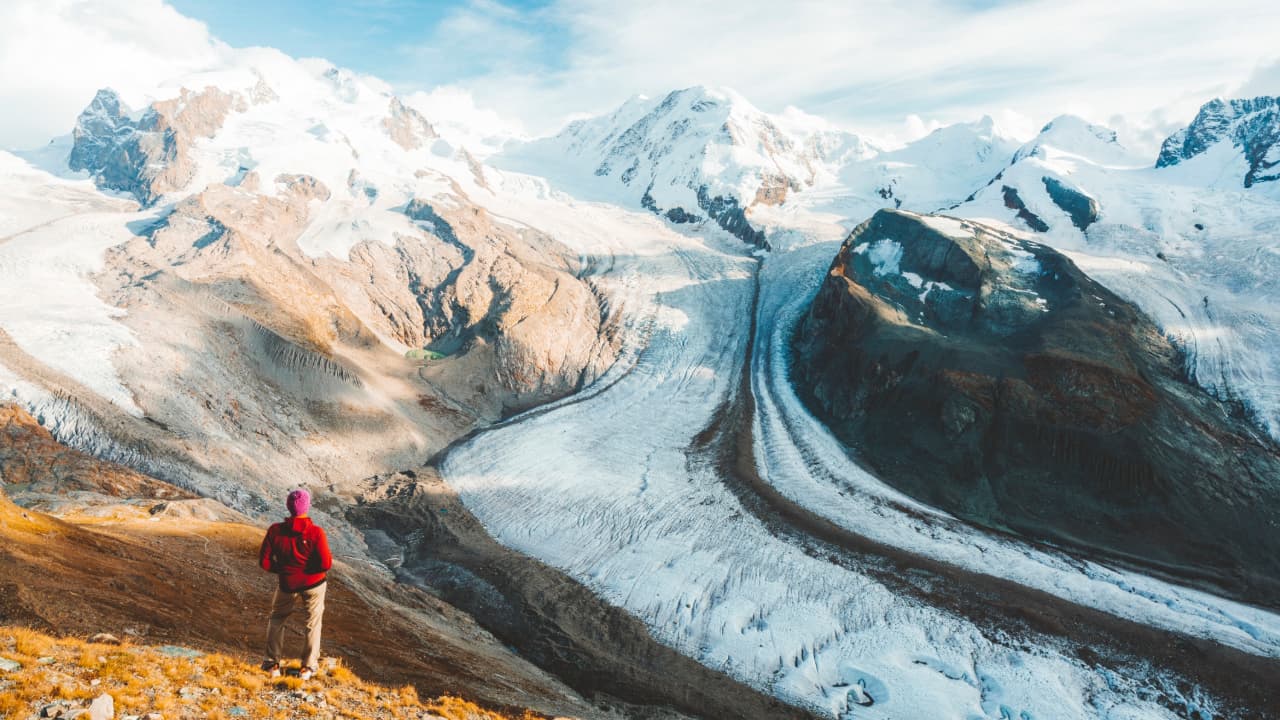
A new study warns of rapid, elevation-dependent climate change in mountains. See how faster warming and declining snowpack threaten water for billions. Learn more now.
Scientists have issued a warning that climate change in mountainous regions is happening more rapidly than previously anticipated. This poses a significant threat for those who rely on mountains for water, food, and protection against natural disasters. This warning is based on a major international review published in Nature Reviews Earth & Environment, which compiles the latest scientific findings on how climate change impacts high-altitude regions.
Researchers have identified this trend as “elevation-dependent climate change,” indicating that as you ascend a mountain, the pace and intensity of environmental changes often increase. The review highlights the rapid transformation of temperatures, rainfall patterns, and snowfall in many of the world’s major mountain systems.
What the Global Review Uncovered
The study was led by Associate Professor Dr Nick Pepin from the University of Portsmouth, who collaborated with experts examining mountain ranges worldwide, including the Andes, the Alps, the Rocky Mountains, and the Tibetan Plateau. By analyzing climate datasets, satellite records, and field studies, the research team discovered concerning trends from 1980 to 2020.
Their findings reveal that mountain regions are warming approximately 0.21°C per century faster than surrounding lowland areas. Although this temperature change may seem minor, even slight shifts at high altitudes can have significant effects, particularly when paired with the rapid decline of snow and ice.
The review also highlights increasing unpredictability in rainfall patterns in many mountain areas. Snowfall is decreasing sharply, with more winter precipitation now falling as rain instead of snow. This shift reduces the water stored in snowpacks and glaciers and increases the risk of sudden flooding.
Global Implications
Over one billion people depend directly on mountain water sources. The Himalayas alone feed rivers that provide water to China and India, the two most populous countries in the world. As snow and ice melt more quickly, these water systems become less dependable.
This climate shift is also prompting plants and animals to move upwards in search of cooler conditions. However, mountains have a natural limit, and once species reach the top, they have no further place to go. This could result in the loss of unique wildlife and long-term harm to mountain ecosystems that support global biodiversity.
Recent disasters highlight the severity of the risk. In Pakistan, one of the worst monsoon seasons in recent memory brought intense rainfall and flash floods, resulting in over 1,000 deaths. Events like these may become more common as mountain climates continue to change.
Advancements and Ongoing Challenges
The research team first highlighted the rapid warming of mountain regions in a significant 2015 study. Since then, scientists have made progress in understanding the causes, such as melting ice, changes in air moisture, and pollution from aerosols. However, the fundamental issue remains, climate change continues to accelerate.
A key challenge is the lack of weather stations in high-altitude regions. Dr Emily Potter from the University of Sheffield notes that computer models are improving, but more accurate monitoring is urgently needed. She emphasizes that technology alone cannot resolve the issue. Stronger global climate commitments and better support for mountain regions are essential.
Climate change in mountain areas is progressing faster than expected, and action is needed now to protect both mountain communities and the billions of people who rely on them.