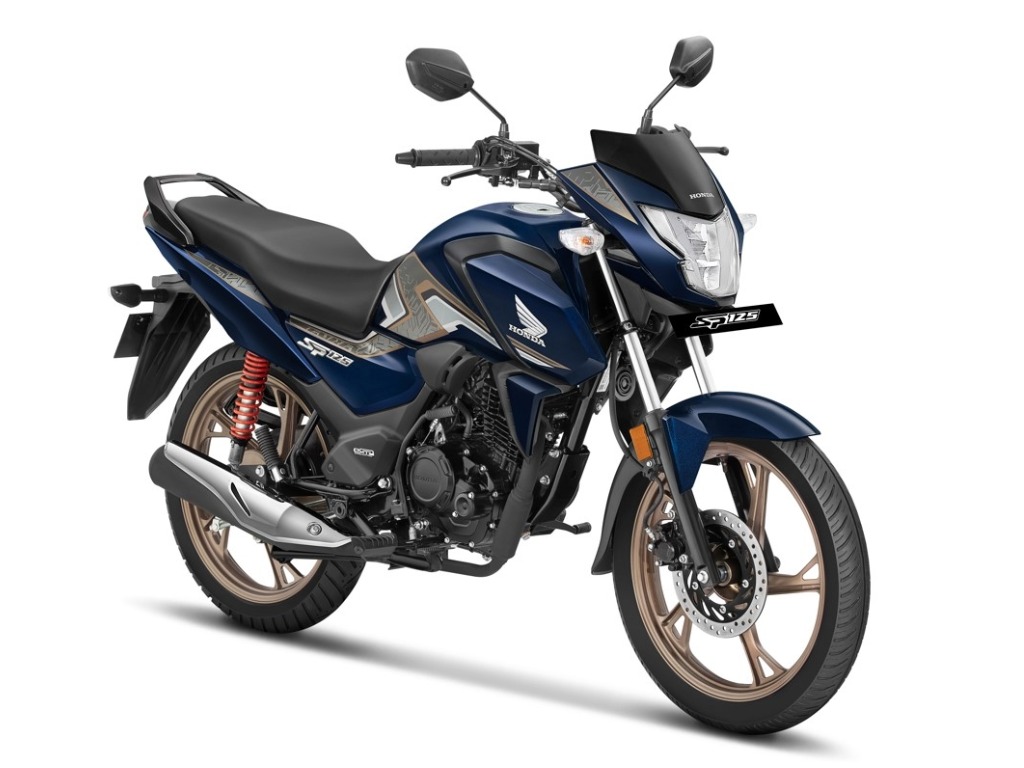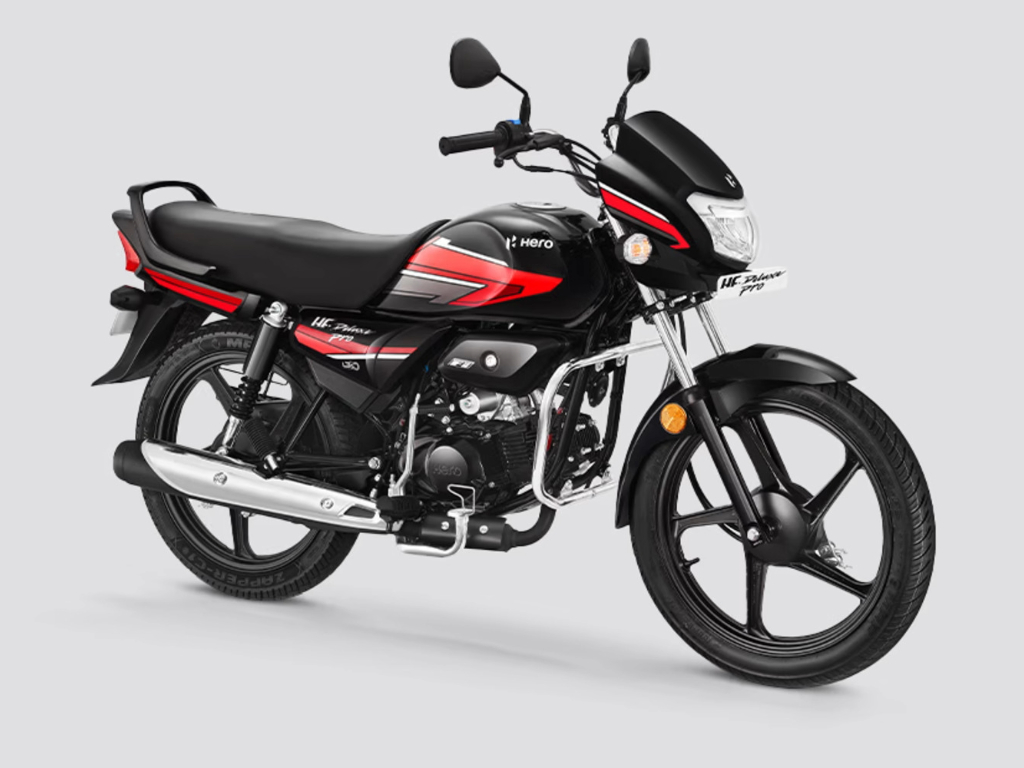
The Delhi government is expected to move ahead with a proposal to stop the registration of new petrol-powered two-wheelers from April 2028 as part of its upcoming Electric Vehicle Policy 2.0. The measure forms a key component of the Capital’s broader strategy to accelerate the adoption of cleaner mobility solutions and reduce vehicular emissions.
According to the draft policy, only electric two-wheelers would be eligible for fresh registration in Delhi from April 2028. The proposal is part of a wider electrification roadmap that also includes restrictions on certain categories of conventional vehicles and mandates for commercial fleets and public transport operators.
The proposal has, however, generated considerable debate among industry stakeholders. Automobile manufacturers and industry associations have expressed concerns about the readiness of the market for such a transition, particularly in the mass-market motorcycle segment where electric alternatives remain limited in terms of choice, affordability and usage patterns.
Industry representatives have also highlighted concerns surrounding battery supply chains, pointing out that a significant portion of critical battery materials and components continue to be sourced from overseas markets. Questions have also been raised about the environmental impact of EVs when a large share of India’s electricity generation still relies on fossil fuels.
On the other hand, policy experts argue that regulatory mandates are often necessary to drive large-scale adoption of cleaner technologies. They contend that clear long-term targets provide manufacturers with greater certainty, encouraging investments in production capacity, technology development and product expansion. Such measures can also help reduce costs over time through economies of scale.
The draft policy also outlines financial incentives aimed at encouraging consumers to switch to electric two-wheelers. Eligible buyers could receive subsidies linked to battery capacity, with the highest incentives available during the initial years of the policy before gradually tapering off.
Delhi’s focus on two-wheelers stems from their significant presence on city roads. They account for the majority of the Capital’s vehicle population, making them a critical segment in efforts to reduce emissions and improve air quality.
The new EV Policy 2.0 is expected to be presented before the Cabinet shortly. If approved, it could come into effect after the current EV policy expires at the end of June and remain operational until 2030.