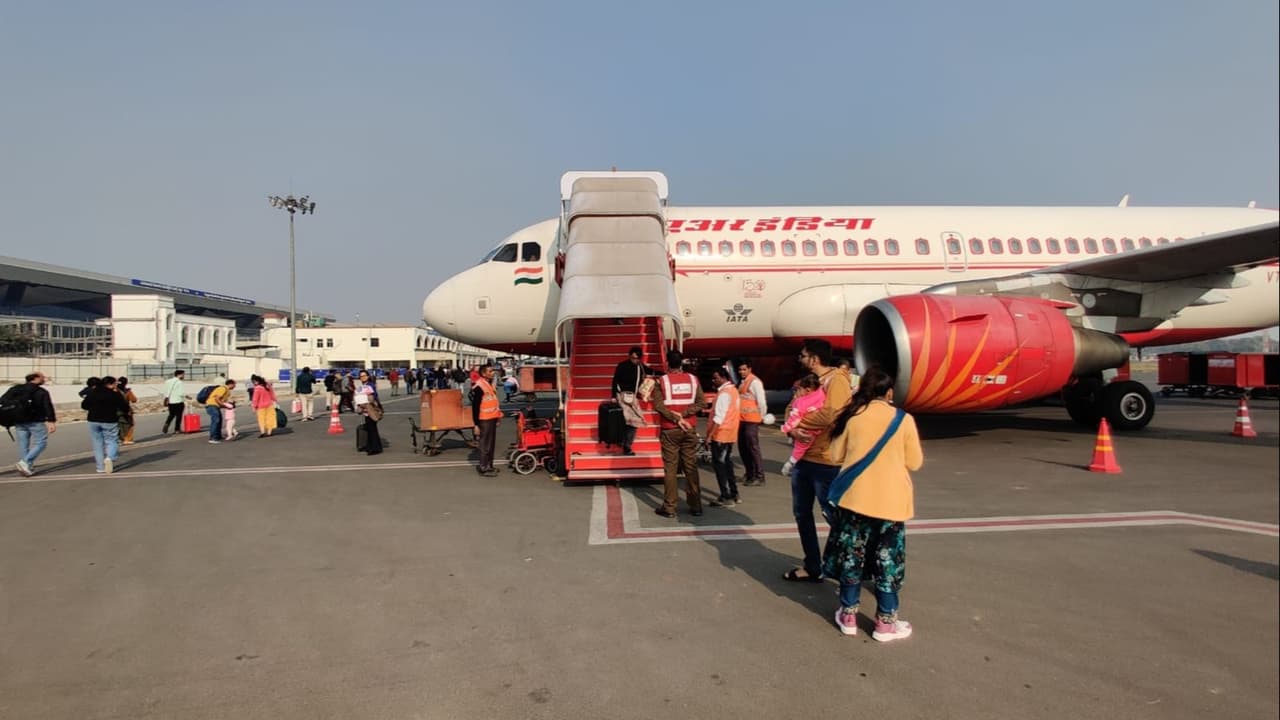
There is a shortage of airplane fuel due to political turmoil around the world and reduced production in refineries. Due to this the expenses of airlines are increasing. According to a McKinsey report, due to this, ticket prices may increase by 20 to 25 percent.
Planning to book a flight ticket to go somewhere? So there is a bad news for you. Soon the prices of air tickets may touch the sky. The reason for this is the ongoing political crisis across the world and reduction in production in refineries. Due to this, there has been a huge reduction in the supply of aviation fuel. Famous consulting firm McKinsey has warned about this.
The summer holiday season is ahead, in which the crowd of passengers will increase. But in comparison to that the supply of aviation fuel is still very less. The main reason for this is the fluctuations in crude oil prices. On top of that, production has declined at refineries in the Gulf and Asian countries, which supply about 40% of the world’s aviation fuel. Typically, fuel costs account for about 30% of the price of a flight ticket. According to McKinsey report, if fuel prices double, ticket prices may increase by 20 to 25 percent.
‘Crack Spread’ is also mentioned in the report. If understood in simple language, it is the difference between the price of crude oil and the fuel made from it. Earlier this difference used to be $20 per barrel or less. But there are fears that by 2026 it may cross an average of $50. Even before the crisis, most of the world’s refineries were operating at full capacity. Therefore, it is not possible to increase production suddenly. At present, efforts are being made to fulfill this shortage by using old stock.
However, there is also a ray of hope. If the movement of oil tankers through the Strait of Hormuz increases, prices may decrease slightly. Refineries are also trying to increase production in the hope of more profits, which may provide some relief. But McKinsey believes that many countries are busy increasing their reserves. Therefore, even if tanker movements return to normal, both fuel prices and ‘cracking spreads’ will remain high until the supply chain recovers.