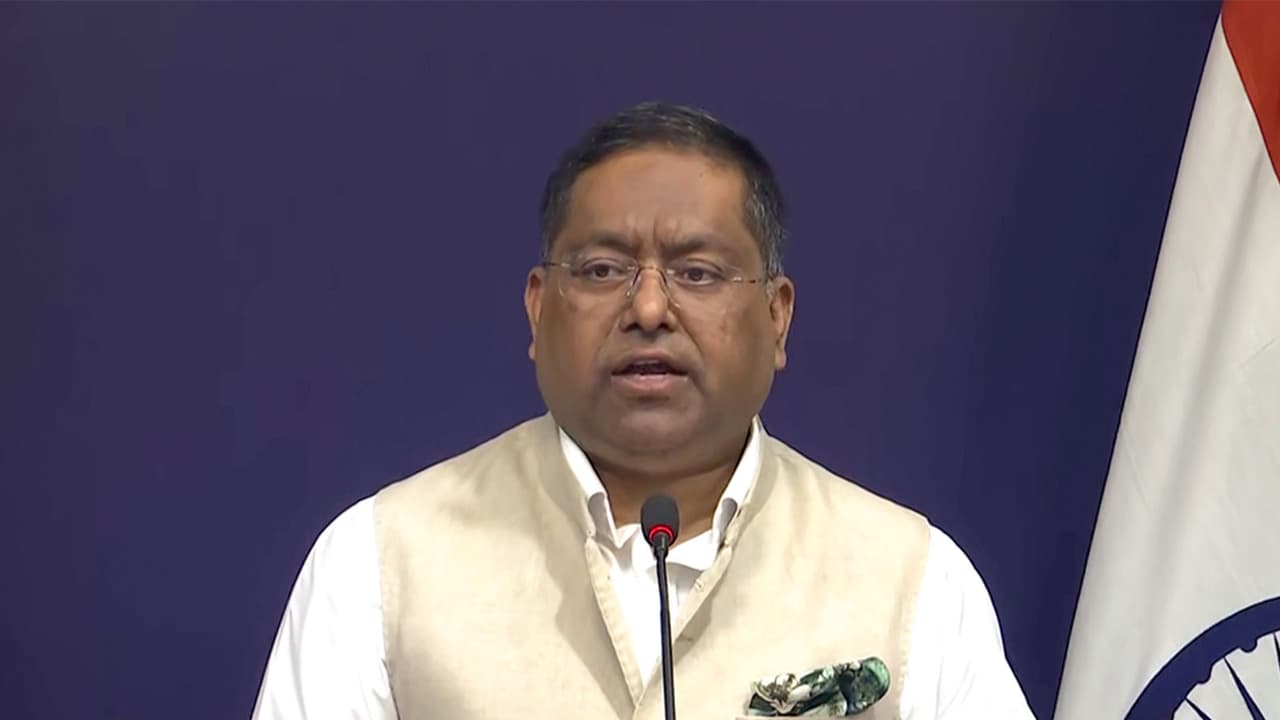
During a meeting with Chinese FM Wang Yi, NSA Ajit Doval emphasised that stable and constructive bilateral relations are key to building deeper trust between India and China. The MEA noted progress towards the gradual normalisation of strained ties.
National Security Advisor Ajit Doval, during his meeting with Chinese Foreign Minister Wang Yi on Monday, highlighted the importance of stable and constructive bilateral relations so as to bring about deeper trust and understanding between India and China. The details were shared by MEA spokesperson Randhir Jaiswal on Tuesday while responding to media queries regarding the discussions held during Chinese Foreign Minister Wang Yi’s visit to India for the 16th BRICS National Security Advisers’ Meeting.
MEA Briefs on Constructive Dialogue
Jaiswal said, “NSA underlined that stable, predictable and constructive bilateral relations will contribute to enhanced trust and deeper understanding between the two sides.” He added, “NSA also emphasised the importance of sensitivity being consistently displayed to each other’s issues of core concern. The Spokesperson added that this would be in keeping with our overall approach of mutual sensitivity, mutual interests and mutual respect.”
Meanwhile, earlier on Tuesday during the press briefing here in the national capital, MEA Spokesperson Randhir Jaiswal noted how the high-level dialogue between India and China aimed at improving their strained relationship, with the two sides noting a “progress towards the gradual normalisation of ties.”
The dialogue took place on the margins of the BRICS National Security Advisers’ Meeting being held in New Delhi on Monday and Tuesday, where India is currently presiding as the chair. The details of these engagements were shared during the Ministry of External Affairs’ (MEA) weekly media briefing, where official spokesperson Randhir Jaiswal stated, “There was a meeting yesterday between the National Security Advisor and Chinese Foreign Minister Wang Yi. The two sides reviewed recent developments in bilateral relations and noted progress towards the gradual normalisation of ties.”
Wang, who also holds a seat on the Political Bureau of the Communist Party of China (CPC), engaged in the discussions as both nations utilised the strategic platform to assess the current state of their relationship and gauge the momentum towards restoring normalcy. During the talks, the Indian side emphasised the long-term strategic necessity of consistent and reliable cooperation.
Background on Diplomatic De-escalation
The relationship between India and China underwent significant strain following a border clash in 2020, which led to years of heightened military and diplomatic tension. However, the diplomatic landscape shifted in 2024 as both nations moved toward de-escalation. The meeting between Doval and Wang Yi reflects the evolving nature of this re-engagement, characterised by a move away from confrontation and toward structured dialogue.
Wang Yi had earlier visited New Delhi last year and held talks with the NSA at the 24th Meeting of the Special Representatives in August. According to the MEA, in the round of talks last year, the two sides had then shared the view that peace and tranquillity had been maintained in the India-China border areas since the 23rd SR Talks. They reiterated the importance of maintaining peace and tranquillity in the border areas to promote the overall development of the India-China bilateral relationship.
The visit comes as a part of the thaw of ties between New Delhi and Beijing following the subsequent meetings between Prime Minister Narendra Modi and Chinese President Xi Jinping on the sidelines of key international summits such as the SCO Summit in Tianjin last year, where both leaders welcomed the positive momentum and steady progress in bilateral relations since their last meeting in Kazan in October 2024. They had reaffirmed that the two countries were development partners and not rivals, and that their differences should not turn into disputes.
This development marks a significant step in ongoing diplomatic efforts to bridge deep-seated divisions between the two Asian giants. (ANI)
(Except for the headline, this story has not been edited by Asianet Newsable English staff and is published from a syndicated feed.)