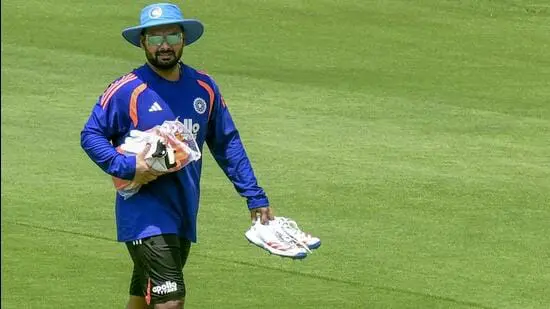
New Delhi: After a brief and turbulent two-year stint with Lucknow Super Giants, Rishabh Pant is back where it all began. The wicketkeeper-batter has returned to Delhi Capitals, the franchise he represented for eight seasons and then captained.
The Indian Premier League officially announced the trade today wherein Pant returned to DC while DC spinner Kuldeep Yadav moved to LSG. According to the revised terms, Pant has taken a pay cut to facilitate the move, underlining that this reunion was about more than just money.
For Delhi Capitals, the appeal is obvious. Few players are as closely associated with a franchise as Pant is with DC. He arrived as a teenager in 2016, evolved into one of India’s most destructive batters and eventually became the face of the team. It helps that he is a Delhi boy himself.
In a league increasingly driven by brand value and identity, bringing Pant back instantly restores a sense of familiarity and emotional connection between the franchise and its fanbase. On the field, Pant addresses multiple needs simultaneously. He is a wicketkeeper, a middle-order match-winner and a captaincy option rolled into one.
Axar Patel showed promise as captain but Delhi have often struggled to find stability and have finished sixth in both the 2025 and 2026 editions. Pant’s presence gives them a proven Indian core around which they can build.
However, the move is not without its concerns. The first question revolves around form. He hasn’t had the best seasons individually, finishing with 312 runs (2026) and 269 runs (2025) respectively. Since returning from his life-threatening car accident and subsequently moving to LSG, Pant has shown flashes of brilliance but has not always looked like the unstoppable force who once terrorised bowling attacks. Delhi are effectively betting that the best version of Pant is still ahead of him rather than behind him. Perhaps, a supportive and familiar team environment can bring that side out again.
Then comes the captaincy dilemma. If Pant returns as skipper, Delhi will once again place significant responsibility on a player whose own batting consistency remains under scrutiny. It also gives Axar a vote of no confidence and DC, ideally, shouldn’t do that since there is precedence. When Shreyas Iyer, the then DC captain was ruled out due to injury, Pant was made captain. Even as Iyer returned, he wasn’t given the captaincy again.
How that is perceived by DC’s fanbase doesn’t necessarily boast the unwavering loyalty that older, legacy teams like Chennai Super Kings, Mumbai Indians, Royal Challengers Bengaluru and Kolkata Knight Riders do. The franchise has previously experienced the challenge of balancing Pant the batter with Pant the captain, it was one of the big reasons he moved to LSG, besides the massive pay hike.
There is also the risk of sentiment influencing strategy. IPL teams have increasingly become ruthless in their squad-building approach, prioritising role clarity and match-ups over emotional narratives. Pant’s return is a compelling story, but successful franchises are ultimately judged by trophies, not reunions.
From Lucknow’s perspective, losing Pant after investing heavily (a whopping ₹27 Cr – the most for a player in IPL history) in him raises questions about long-term planning. For Delhi, meanwhile, the trade represents star power, familiarity and a local connection but it is a risky bet since it ties a significant part of their future to a player currently searching for sustained consistency.