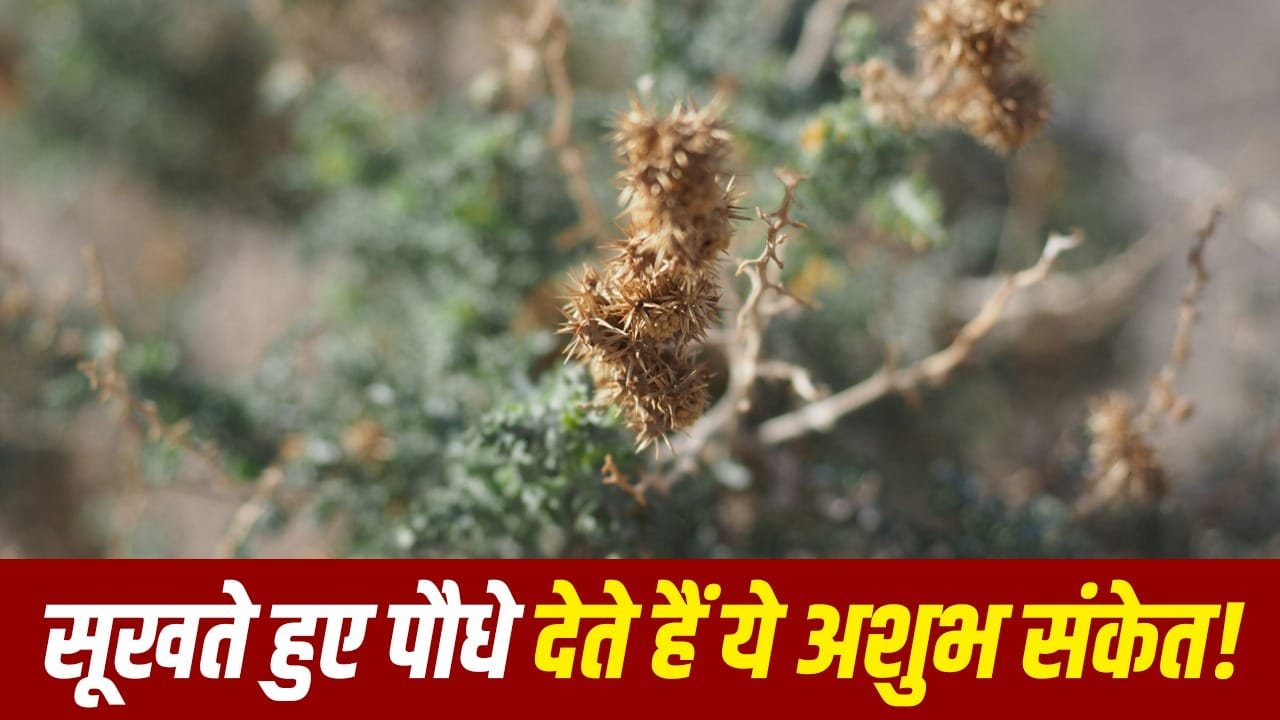
signs of drying plantImage Credit source: unsplash
Signs of Drying Plants: To enhance the beauty of the house and keep the air clean, we all plant trees in our homes. Lush plants not only look good, but they also keep the atmosphere of the house positive and lively. But many times it happens that even after taking complete care, house plants suddenly start drying or withering. According to Vastu Shastra, frequent drying of plants like this is not just a normal thing, but it can also be a sign of some major problem or Vaastu defect in the house. Let us know in very simple words what signals the drying plants give us and the correct tips for keeping the plants. Vastu What are the rules?
What are drying plants considered a sign of?
According to Vaastu beliefs, sudden drying or repeated spoilage of plants in the house can indicate energy imbalance. It is believed that when positive energy starts decreasing at a place, its effect can also be seen on the plants present there. Some people also consider it a sign of financial problems, mental stress or increasing negativity in the family. However, plants not getting proper water, sunlight or proper care can also be a major reason behind this. Therefore, it is important to pay attention to it first.
Why should dry plants not be kept in the house?
In Vastu Shastra, keeping dry, withered and dead plants in the house is not considered auspicious. There is a belief that dry plants can symbolize stagnation and negativity. If a potted plant has completely dried up, it is considered better to remove it and plant a new plant instead of keeping it in the house for a long time. Due to this the atmosphere of the house remains full of freshness and positivity.
Which is the correct direction to plant trees?
north and east direction
According to Vastu, North and East direction is considered best for planting plants. Plants planted in these directions are considered helpful in spreading positive energy in the house.
north-east direction
North-east corner is considered very auspicious. It is advisable to plant Tulsi, money plant or other small green plants in this direction. It is believed that there will be peace and prosperity in the house.
Why is Tulsi plant considered special?
Tulsi plant is considered very auspicious in both Hindu religion and Vastu. It is believed that the Tulsi plant increases positive energy in the house and keeps the environment pure. If the basil plant is drying up again and again, then along with its proper care, attention should also be paid to its location. It is considered better to keep Tulsi in a clean and sunny place.
Also read: Is the work being done getting spoiled again and again? Make these small changes in your home today itself
Disclaimer: The information given in this news is based on religious beliefs and general information. TV9 Bharatvarsha does not confirm this.