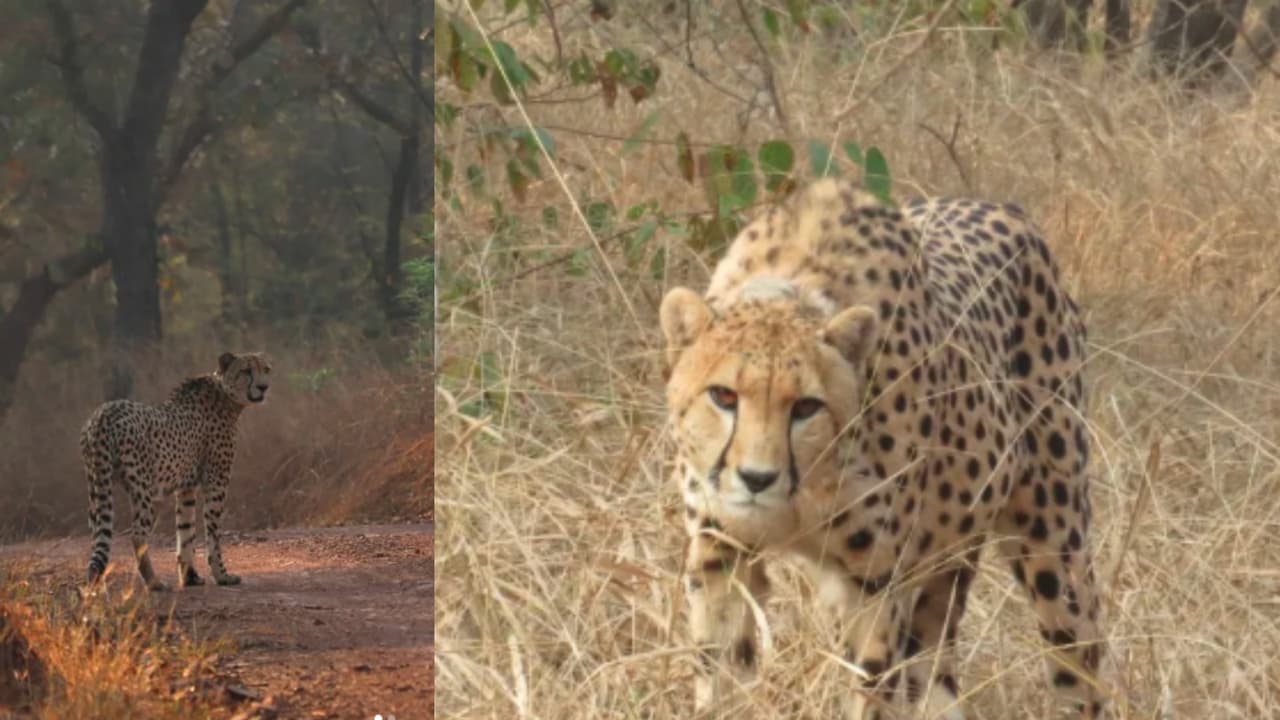
Kuno National Park Facts: Is Kuno National Park just a park for leopards? During President Murmu’s visit to Kuno, know 7 interesting facts and things related to rare wildlife.
Kuno National Park: This national park located in Sheopur district of Madhya Pradesh is in the headlines during President Draupadi Murmu’s visit to Kuno National Park. Let us tell you that whenever the name of Kuno National Park is taken, the first picture that emerges in the mind is that of a leopard. After all, it was from here that cheetahs returned to India after almost seven decades. But is Kuno just a leopard park? In fact, Kuno National Park located in Sheopur district of Madhya Pradesh is today included in the most popular wildlife areas of the country (Kuno National Park Animals), but its identity is not limited only to the Cheetah Project. There are many special things here about which common people know less. Know 7 such secrets of Kuno (Kuno National Park Facts), which include it among the most unique forests of India.
1. Not a leopard but a leopard, here is the old king of Kuno.
Cheetahs have arrived in Kuno in recent years, but leopards have been part of this forest for decades. Forest Department figures show that there is a sizeable population of leopards here. Even today the leopard plays the role of apex predator in many parts of the forest.
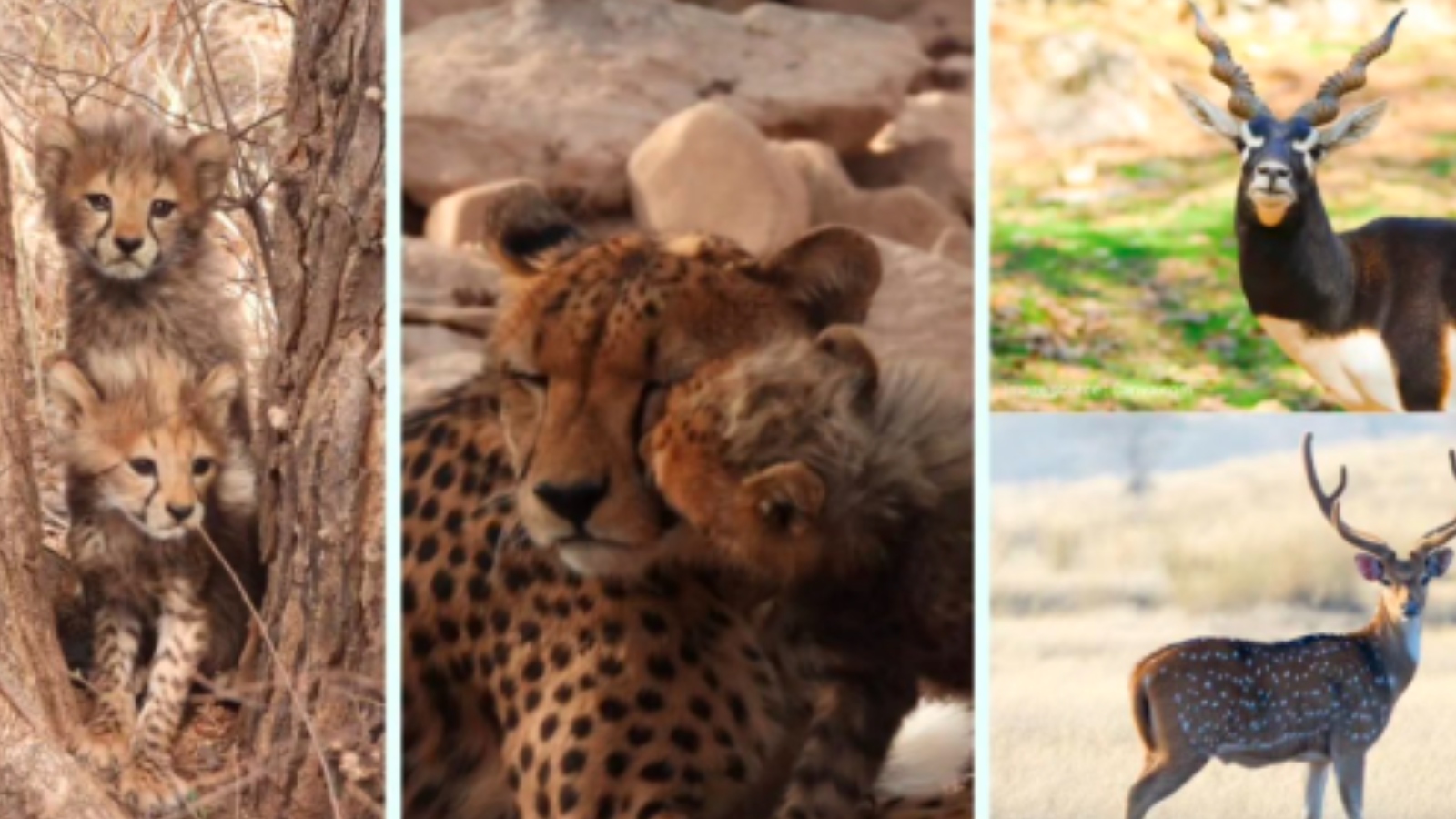
2. Kuno National Park is home to not only big predators but also rare wolves.
Kuno’s landscape is a mix of grasslands and open forests. This is the reason why Indian wolves are also found here. There are very few protected areas in the country where the presence of wolves is recorded.
3. Chinkara and Nilgai form the backbone of the ecosystem
If there are no prey then even the hunters will not survive. Herbivorous animals like Chinkara, Nilgai, Chital, Sambar and wild boar are present in large numbers in Kuno. This wildlife provides natural hunting grounds for leopards and leopards.
4. Kuno was once going to become the second home of Asiatic lions.
Very few people know that Kuno was developed for years as a potential resettlement site for Asiatic lions. For this, rehabilitation of many nearby villages was also done. However, later Project Cheetah got priority here.
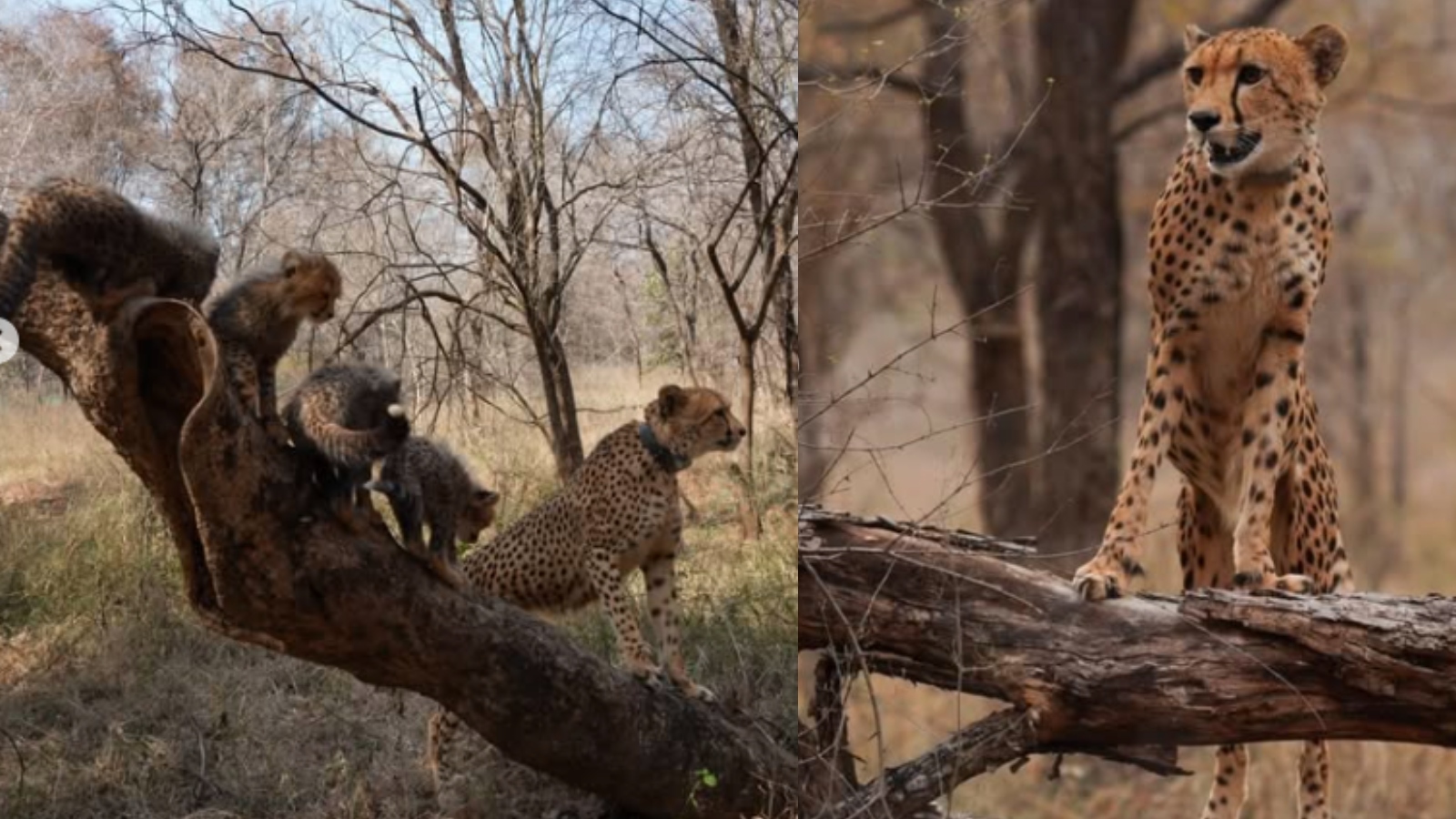
5. Home to more than 120 bird species
Kuno is special not only for mammals but also for bird lovers. Many local and migratory birds can be seen here. In winter this area becomes a center of attraction for bird watching.
6. Kuno forest connects with Chambal landscape
The geographical importance of Kuno National Park is also no less. The area is linked to the broader ecosystem of the Chambal River, facilitating wildlife movement and biodiversity.
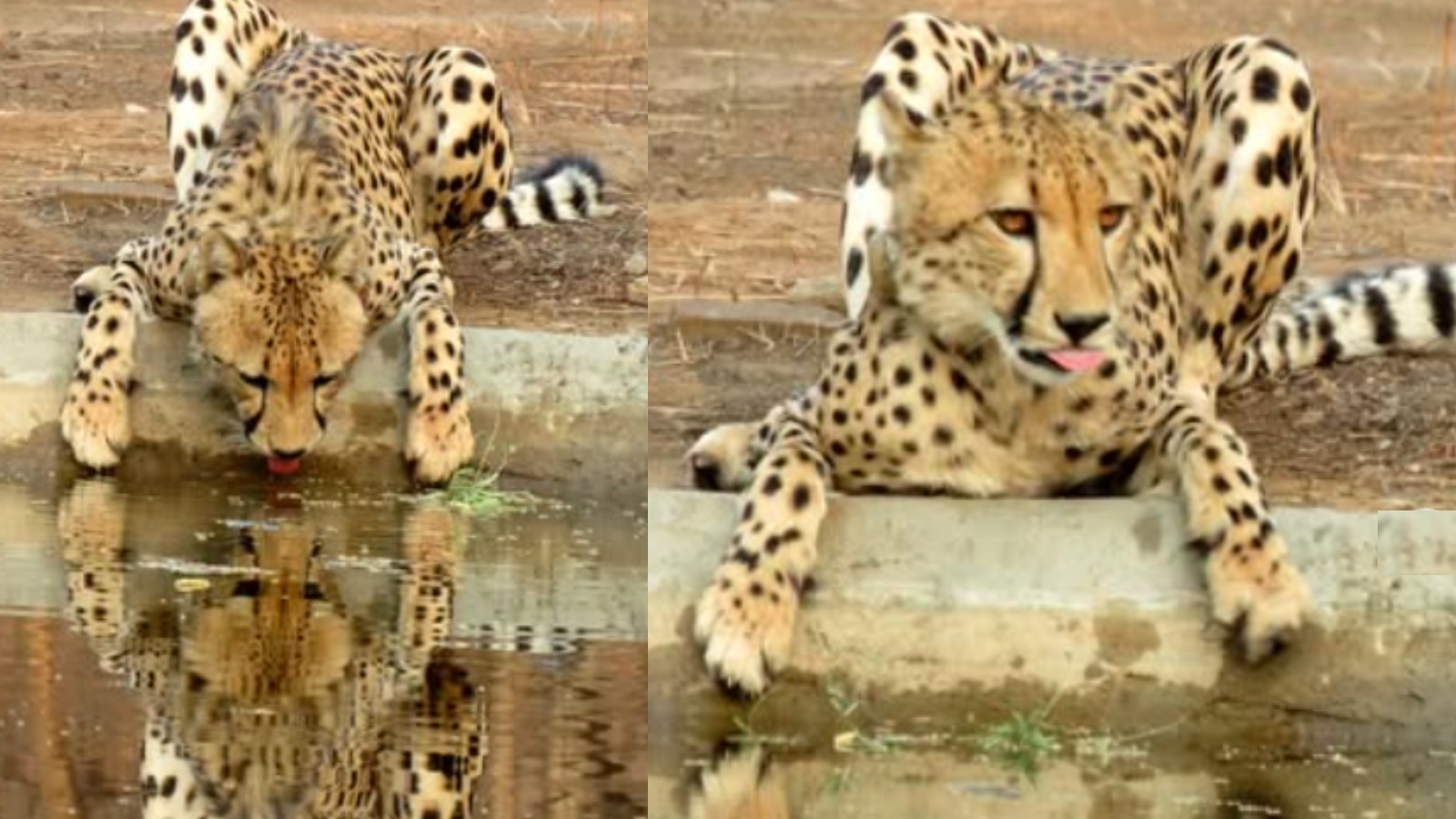
7. Kuno National Park is the laboratory for India’s most ambitious conservation experiments.
Today Kuno has become not just a national park but a living laboratory of wildlife conservation. From cheetah restoration to grassland conservation and modern wildlife monitoring, there are many big experiments going on here that the world is watching.