
Cirrhosis is not a condition that can be reversed overnight, but it is also not always a fixed endpoint. With the right approach, many patients are able to maintain stability and avoid complications for extended periods.
Cirrhosis is often spoken about as though it marks the end of the road for liver health. By the time patients hear the term, it usually carries a sense of finality. In practice, however, the picture is not always that absolute. The outcome depends a great deal on when it is detected and what is done next.
What cirrhosis actually means
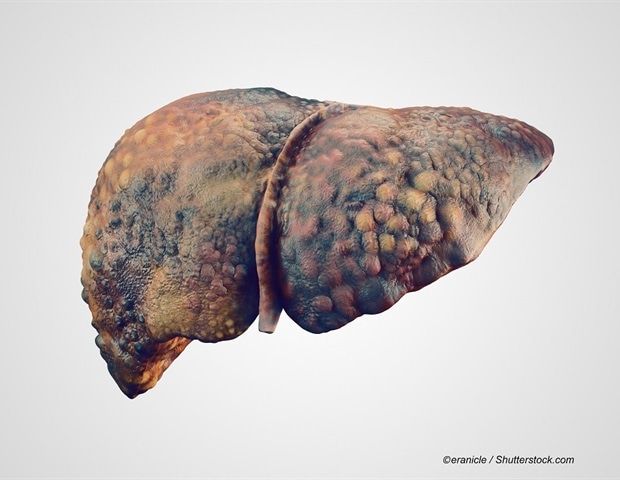
At its core, cirrhosis refers to long-standing injury to the liver that has led to scarring. Over time, the healthy liver tissue gets replaced by scarred areas, which changes the way the liver is structured. As this happens, blood doesn’t flow through it as smoothly, and its ability to do its normal functions gradually gets affected.
The causes are varied—chronic alcohol use, hepatitis B or C, fatty liver related to metabolic disease, and certain genetic conditions. Regardless of the cause, the end result tends to follow a similar pattern.
Why it is often detected late
One of the challenges with cirrhosis is that it can remain silent for a long time. In the earlier stages, patients may feel entirely well. There may be no pain, no obvious symptoms—just subtle changes that are easy to overlook.
Quite often, it isn’t picked up until problems start showing up—such as abdominal swelling, the eyes turning yellow, or episodes of unusual confusion. By that stage, the liver has usually been under strain for a while.
Is it truly irreversible?
This is where the conversation has evolved. Traditionally, cirrhosis was considered irreversible. While scarring that has already formed does not simply disappear, the progression of the disease can often be slowed, and in earlier stages, some degree of improvement in liver function is possible.
Much depends on whether the underlying cause is identified and addressed. Stopping alcohol intake, treating viral hepatitis, managing metabolic risk factors—these steps can stabilise the condition and, in some cases, prevent further deterioration.
Compensated vs decompensated cirrhosis
Not all cirrhosis behaves the same way. In what is termed “compensated” cirrhosis, the liver is scarred but still able to carry out most of its functions. Patients in this stage may remain stable for years with proper care.
In “decompensated” cirrhosis, complications have already set in. This includes fluid in the abdomen, bleeding tendencies, or liver-related confusion. At this stage, the disease is more serious and requires closer monitoring, and in some cases, consideration of transplantation.
What changes the course
In practice, when the condition is picked up early and followed up regularly, it does change how things progress. Addressing the underlying cause in a steady, consistent way can make a noticeable difference over time.
Keeping away from alcohol, watching weight, managing diabetes properly, and sticking to treatment plans may sound basic, but they do make a real difference over time. The effect isn’t immediate, but these habits can influence how the condition progresses.
A condition that requires long-term attention
Cirrhosis is not a condition that can be reversed overnight, but it is also not always a fixed endpoint. With the right approach, many patients are able to maintain stability and avoid complications for extended periods.
The key lies in recognising that while some damage has already occurred, the story does not necessarily end there.
-By Dr. Kumaraswamy P, Senior Consultant – Liver Transplant& HPB Surgery, CARE Hospitals, Banjara Hills, Hyderabad