India’s eastern region is emerging as a critical mineral hub with significant deposits of bauxite, iron ore, and lithium. While new finds in Chhattisgarh and Nagaland are promising, officials stress the urgent need for extraction and processing technology.
The eastern region of India is emerging as a key hub for critical mineral exploration, with significant reserves of bauxite, iron ore, chromite, lithium and rare earth elements, government and industry representatives said at the ASSOCHAM Eastern Region’s 4th Minerals and Mining Conclave 2026 held in Kolkata on Friday.
Exploratory Efforts and Future Challenges
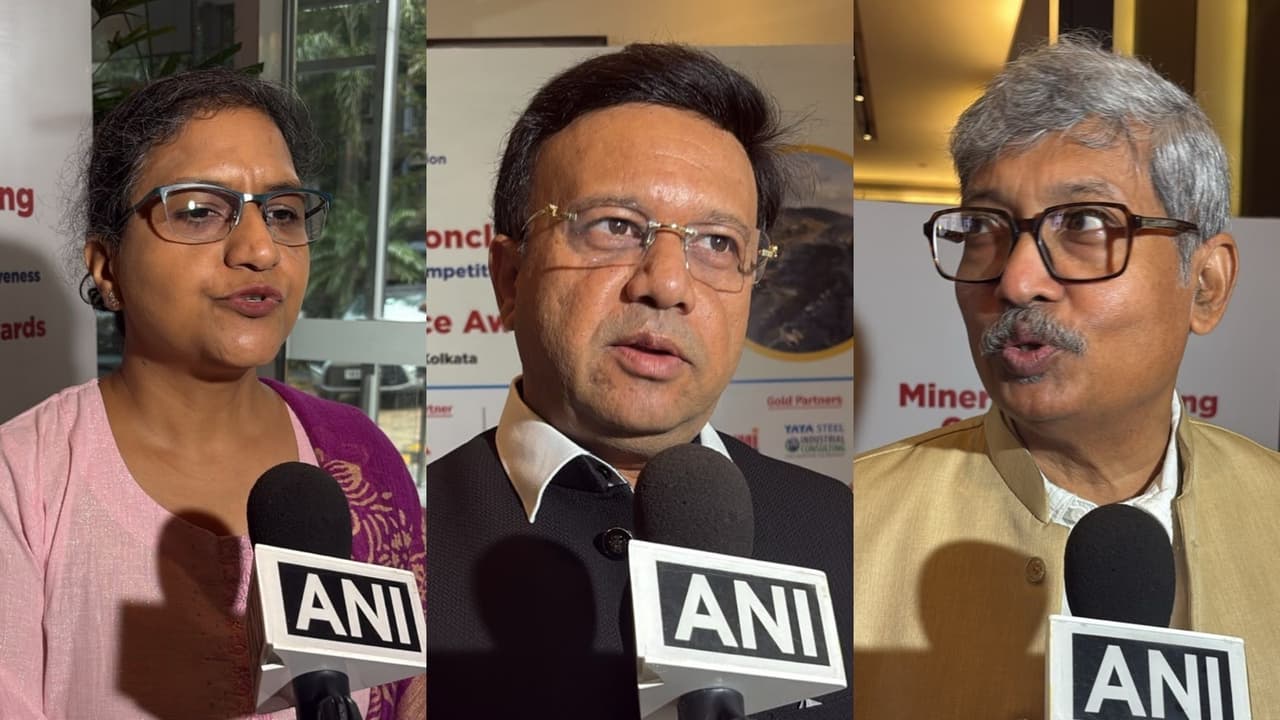
ASSOCHAM Eastern Region Chairman Sanjiv Ganeriwala said several deposits remain at an exploratory stage, including lithium, nickel and cobalt finds in Chhattisgarh and Nagaland. “We are now trying to establish these minerals, but the next challenge will be extraction and beneficiation,” he said, adding that graphite blocks for EV batteries are being actively developed. “In 2-3 years, we will have sufficient deposits and technology,” he said, adding that India is likely to strengthen its position in critical mineral value chains. He also noted ongoing exploration efforts in Katgora, Chhattisgarh, describing lithium deposits there as promising but still at an early stage.
Northeast Finds and Graphite Development
Referring to recent findings in the Northeast, he said nickel and cobalt deposits near the Myanmar border in Nagaland appear encouraging and will be further assessed in the next exploration cycle. “In India, almost 20-25 graphite deposits have been auctioned, and people are now working, and technologies are being worked out for battery chemicals. So this will be taken as a storage battery chemical,” he said.
A Strategic Approach to Mining
ASSOCHAM Senior Director-Head States & UTS Perminder Jeet Kaur said India needs a differentiated and strategic approach to mineral development, particularly for critical and hard-to-access resources. “We have found some deposits, but the approach towards bulk mining and strategic mining should be different,” she said, stressing the need for advanced processing capabilities. “We need more technology in terms of processing.”
Global Partnerships and Competition
She further noted growing international interest in partnerships with India and said ongoing economic agreements could help strengthen cooperation in the sector. “There are a lot of countries that are keen to partner with India that should help us secure some collaboration and cooperation,” she said. Comparing India’s position globally, she added candidly, “China is leading, that is a bit of a pain point for every country and especially for India, but come what may, we need to gear up and go forward.”
GSI Confirms Eastern Region’s Potential
Speaking to ANI, Asit Saha, Director General, Geological Survey of India, said India’s eastern region positions India at a very good position, supported by the commodities like bauxite, iron ore, which are being mined in the region. Adding that economies are searching for critical minerals, Saha noted, “In eastern India, there are very good incidences of critical minerals and REs as far as we are concerned. We have a good deposit in Assam. We are finding good deposits in Purulia in West Bengal.”
Progress on Lithium and Cobalt
When asked about India’s progress in securing critical minerals like lithium and cobalt, he added that India is waiting to mine new deposits as lithium deposits have been found in several parts, including Rajasthan, Jammu and Kashmir. However, India needs to develop processing technology first. “Cobalt, I would say, not much, but in lithium, we have found deposits in Rajasthan, in Chhattisgarh and in Jammu and Kashmir. It’s now we have to just wait to get them mined,” he said. Saha added, “to get them mined, all we need to do is develop the processing technology,” and once done, India would become self-sufficient, probably in lithium for years to come.”
Resource Bartering and Self-Sufficiency
Saha also said India has significant resources of graphite, vanadium, scandium and rare earth elements, noting that no country is self-sufficient in every mineral and nations can “barter” resources to strengthen their global position. (ANI)
(Except for the headline, this story has not been edited by Asianet Newsable English staff and is published from a syndicated feed.)