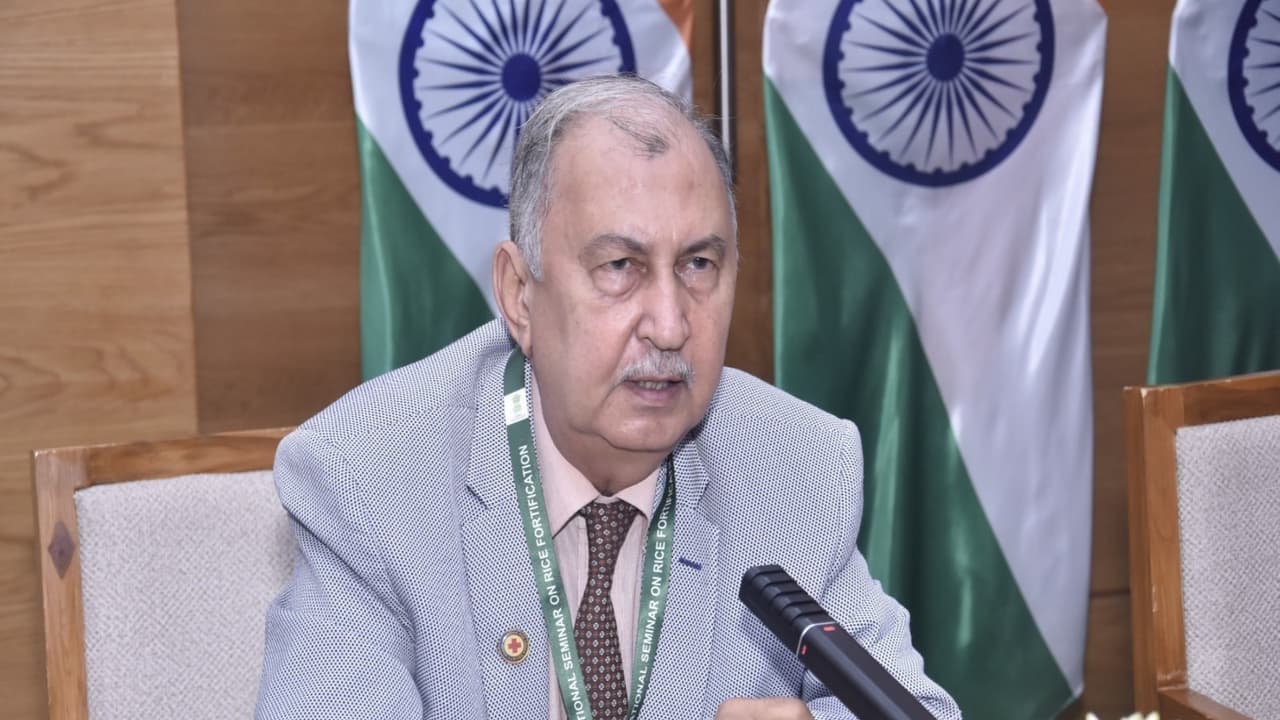
On World Sickle Cell Day, Dr Yazdi Italia noted India’s progress in fighting the disease, crediting Gujarat’s holistic control programme. He urged greater awareness, equitable healthcare, and use of advanced preventive technologies.
On the occasion of World Sickle Cell Awareness Day, leading translational scientist, Padma Shri awardee, and pioneer of the Sickle Cell Control Programme, Dr Yazdi Italia, highlighted the remarkable progress achieved in India’s fight against Sickle Cell Disease (SCD). He also emphasised the need for greater awareness, equitable access to healthcare services, and the widespread implementation of advanced preventive technologies.
The Gujarat Model: A Turning Point
Sickle cell disease is one of the most common hereditary blood disorders in the world. In India, its prevalence is particularly high among tribal communities. For many years, lack of awareness, delayed diagnosis, and inadequate access to specialised treatment caused thousands of patients to suffer unnecessary pain and serious complications, according to a release from the Gujarat CMO.
In 2006, Gujarat established an important milestone by launching a holistic Sickle Cell Control Programme under the leadership of the then Chief Minister and current Prime Minister Narendra Modi. The programme introduced free screening in rural and tribal areas, early diagnosis, genetic and ethical counselling, vaccination, availability of medicines such as folic acid and hydroxyurea, and regular follow-up services.
National Mission and Global Goals
According to Italia, the Gujarat Model successfully brought healthcare services to the doorsteps of tribal communities and significantly reduced pain crises, complications, and hospitalisations among patients. Recognising the success of this model, the National Health Mission adopted it across the country, following which the Government of India launched the National Sickle Cell Anaemia Elimination Mission on July 1, 2023. The mission aims to substantially reduce the burden of Sickle Cell Disease by 2047.
This year’s global theme is “Closing the Survival Gap: Equity in Sickle Cell Disease.” The theme emphasises the urgent need to ensure that patients worldwide receive timely diagnosis, treatment, and long-term care regardless of their geographic location, economic status, or social background.
Understanding Complications and Government Support
The release said that Sickle Cell Disease can cause severe pain crises, chronic anaemia, recurrent infections, damage to vital organs, and premature death. Dehydration, infections, physical stress, and extreme temperature changes can aggravate these complications. However, experts believe that many of these complications can be prevented through regular medical supervision, vaccination, adequate hydration, timely treatment, and patient education.
The Government of India has extended special support to patients through the Ayushman Bharat Scheme and the National Sickle Cell Anaemia Elimination Mission. Under these Yojana, free testing, diagnosis, treatment, blood transfusion services, 108 ambulance services, and treatment for various complications are available. Many patients are also eligible for disability benefits and other social security schemes.
The Road Ahead: Awareness, Prevention, and Technology
Italia stated that awareness remains the most important pillar of the success of this entire campaign. He appealed to patients and their families to stay in regular contact with healthcare workers and sickle cell counsellors, ensure continuous follow-up, and take full advantage of all services provided by the government, the release said.
Looking ahead, experts believe that prevention must now become a greater priority. Modern reproductive technologies such as In Vitro Fertilization (IVF) and Pre-Implantation Genetic Diagnosis (PGD) offer high-risk couples the opportunity to have healthy children free from severe genetic blood disorders. If these technologies become more accessible and affordable, they could significantly reduce the future burden of Sickle Cell Disease and thalassemia.
Research in this field is also advancing rapidly. Along with the development of new medicines, advanced treatment approaches such as stem cell transplantation, bone marrow transplantation, and gene editing are emerging as new sources of hope for patients.
Recent data from the national programme indicate that more than 7 crore people have been screened so far in states with a high prevalence of sickle cell disease. More than 2.46 lakhs patients with Sickle Cell Disease and over 20 lakh individuals carrying the sickle cell trait have been identified. These figures highlight the scale of the challenge and underscore the need for continued screening, counselling, and treatment.
Italia appreciated the contributions of Prime Minister Narendra Modi, policymakers, IAS officers, scientists of the Indian Council of Medical Research (ICMR), the Gujarat Tribal Research Institute, healthcare workers, sickle cell counsellors, social organisations, and most importantly, patients and their families in making this programme successful, the release noted.
India is steadily progressing toward eliminating Sickle Cell Disease as a major public health challenge. Experts believe that the ultimate goal extends beyond treatment alone; it is to ensure that every child has the right to a healthy life, every patient receives timely and compassionate care, and every family can look toward the future with hope and dignity. (ANI)
(Except for the headline, this story has not been edited by Asianet Newsable English staff and is published from a syndicated feed.)