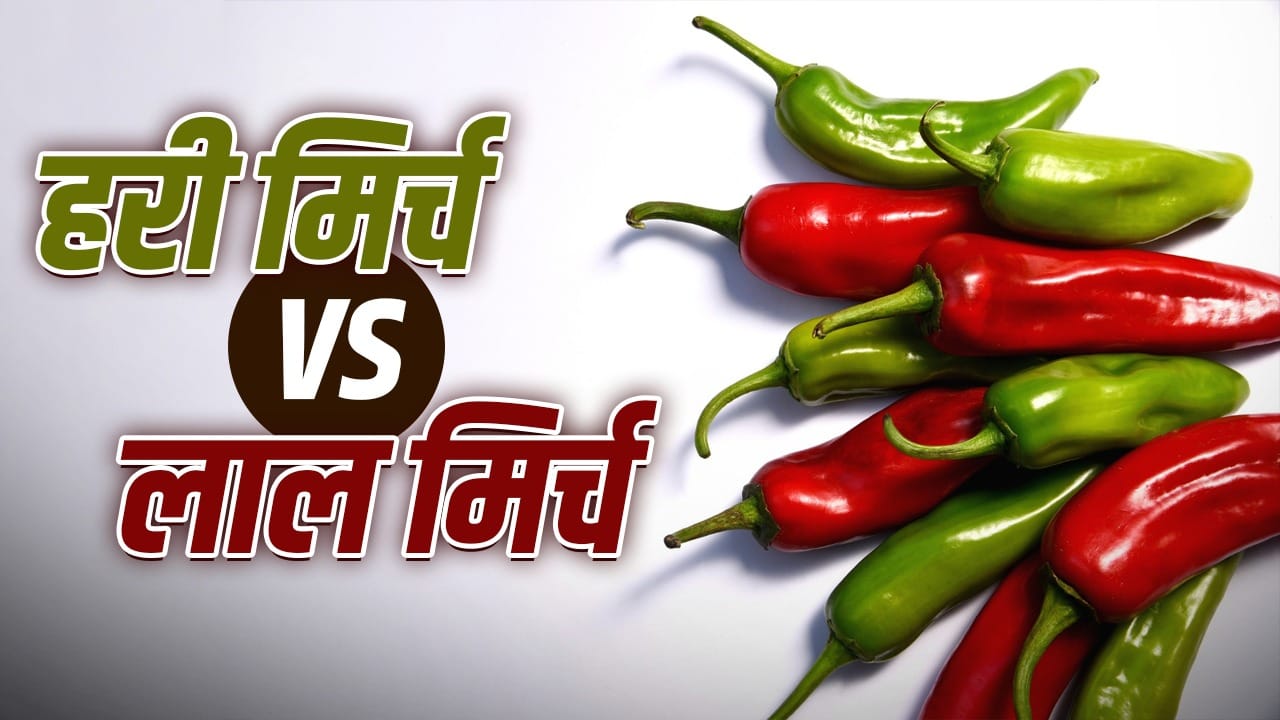
Green chilli vs red chilliImage Credit source: Getty Images
People use green chilli extensively in pickles, vegetable seasonings and chutneys and it is also preferred to be eaten raw. Red chilli powder is used in daily routine to increase the spiciness in food and it is also used to prepare chutney and tadka. Both these chillies are spicy in taste. The only basic difference between them is the color, one is fresh and the other i.e. red chilli is dry. To most people these would seem to be beans, but they affect health in different ways.
If red chilli is not available at home then people use green chilli for spiciness. They think what is the difference in this. However, there is a lot of difference between the two types of chillies. How green chilli is better than red chilli and also know whether eating green chilli is beneficial to avoid heatstroke.
Difference in amount of nutrients
Green chillies are fresh whereas red chillies are prepared by drying, hence there is a difference in the quantity of their nutrients. Vitamin C and capsaicin are found in greater quantities in green chillies than in red chillies. According to the information given in PubMed, a test was conducted on chilli varieties in Egypt. It was found that fresh chillies contain high amount of ascorbic acid and when dried, chillies lose most of their vitamin C. However, the opposite effect was seen in Vitamin A. Researchers found that the amount of Vitamin A in chilli can increase 100 times when dried. The amount of carotene and ascorbic acid in chilli is 6 times more than that of citrus fruits.
Green or red chilli… which chilli is more beneficial?
If we talk about which chilli is more beneficial between green and red chilli, then you will have to see your need in this. For example, green chilli is better for Vitamin C, whereas if the body needs Vitamin A then red chilli is better. Although not much research has been done on the health risks of eating too much chilli and spices, but due to the spiciness it can cause problems like acidity, burning sensation, hence eating too much chilli is prohibited.

Getty Images
Nutrients of chilli?
According to Health Line, chilli is a good source of Vitamin C, B6, Vitamin K1, Potassium, Copper and Vitamin A. Apart from this, bioactive plant compounds like lutein, ferulic acid, sinapic acid, capsaicin, violaxanthin, capsanthin are also found in it.
What are the benefits?
Talking about the benefits of chilli, it has anti-inflammatory properties. It is helpful in providing relief from pain and controlling weight. Apart from this it boosts immunity. Capsaicin has antimicrobial properties and because of this it is considered helpful in preventing microorganisms from growing in food. It also has hypoglycemic effects, making it helpful in controlling high blood sugar.
Will green chilli save from heat wave?
You must have heard this in your home too that eating raw green chillies protects from heatstroke. In fact, according to PubMed, green chillies promote intestinal health mainly due to its active compound capsaicin, which acts as a microbiome modulator. Capsaicin helps eliminate disease-causing compounds or bacteria that are harmful to the intestine. Along with this, it helps in increasing beneficial bacteria (like Lactobacillus). Along with this, it also activates the digestive juices. Heat has a direct effect on digestion. In this way, green chilli keeps digestion healthy in summer, which prevents the symptoms caused by heatstroke.