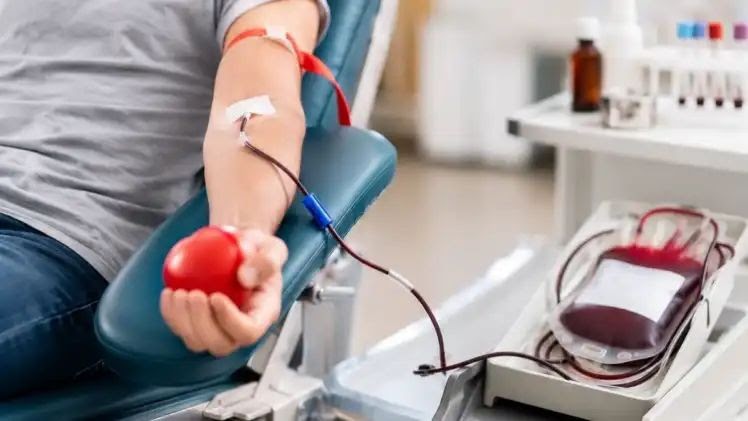
Blood donation is called great donation, because your blood saves the life of others by running in their veins. However, many people are unable to donate blood even if they want to due to the fear that it will weaken their body or it will take a long time to compensate for the blood deficiency.
When we talked to the doctor about donating blood, we came to know that our body is an amazing machine which starts the process of making new blood cells immediately after donating blood. After blood donation, the lost liquid i.e. plasma is replaced in just 24 to 48 hours, but it takes some time for the entire blood count to return to normal. On the occasion of World Blood Donor Day, let us know from experts how many days it takes for the body to completely recover after donating blood and what things are important to be kept in mind during this time.
How much blood is taken during blood donation?
According to Dr. Uma Rani, Director- Pathology at Asian Hospital, during a normal blood donation, about 350 to 450 ml of blood is taken. This is about 8 to 10 percent of the total blood present in the body. A healthy person usually starts feeling normal within a few hours after donating blood. How quickly does the body recover after donating blood? According to experts, the liquid part of the blood (plasma) recovers first and is replenished within 24 to 48 hours. Therefore, it is advised to drink enough water and other fluids after donating blood. This is the reason why juice or other beverages are given after donation at blood donation centers, so that the body can hydrate faster. What happens in the body after blood donation?
After donating blood, the body starts replacing the lost blood. However, not all components of blood are made at the same rate. Plasma is replenished quickly, but red blood cells take longer to be fully formed.
How long does it take to make red blood cells?
According to experts, it may take about 4 to 6 weeks for red blood cells to regenerate completely after blood donation. At the same time, it may take several weeks or in some cases even a few months for the iron level in the body to return to normal.
Why do you feel weakness after donating blood?
Some people may feel slight dizziness, fatigue or weakness after donating blood. However, this is usually temporary and resolves on its own after some time. Doctors recommend taking a diet rich in iron, protein, folic acid and vitamin B12 after donating blood. Green leafy vegetables, pulses, eggs, fish, nuts and citrus fruits help in the recovery of the body.
What to do for quick recovery?
Experts say that after donating blood, take adequate rest, drink plenty of water and avoid heavy physical activities for a few hours. Due to this the body returns to normal condition rapidly.
When can I start my normal routine?
Most people can resume their normal routine the day after donating blood. However, gym goers, athletes or people who do heavy physical labor should avoid strenuous physical activity for 24 to 48 hours.
Does donating blood cause permanent weakness?
According to doctors, donating blood does not cause permanent weakness in the body. A healthy person’s body naturally replenishes the blood and returns to normal within a few days.
Who should take precautions before donating blood?
If a person has anemia, serious illness, infection, or other health problems, he or she should consult a doctor before donating blood. Only those people who meet the prescribed health criteria should donate blood.
One should not be afraid of donating blood
Experts say that there should be no unnecessary fear regarding blood donation. This is a safe procedure and can prove to be lifesaving for needy patients.
Why is proper care important after donating blood?
The body recovers faster with proper rest, balanced diet and adequate water intake. Therefore, it is important to remove the misconceptions related to blood donation and connect more and more people with this life-saving campaign.
Disclaimer: This article has been prepared based on medical principles and general opinion of doctors only for general awareness and education of the readers. Before donating blood, always give priority to health checkup done by blood bank or concerned doctors.