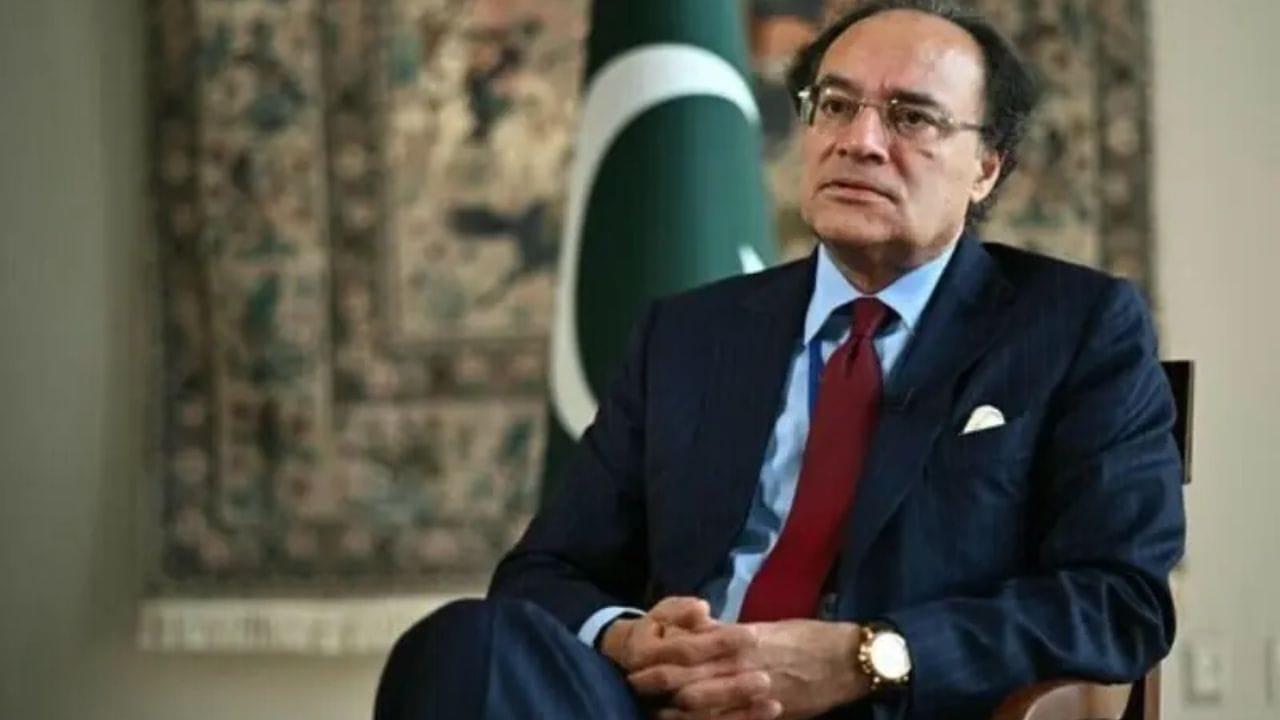
Pakistan Finance Minister Muhammad Aurangzeb
Pakistan, which is struggling with economic crisis, inflation and burden of foreign debt, has presented a relief picture regarding its economy. Pakistan’s Finance Minister Muhammad Aurangzeb said that the country’s economy has grown at the rate of 3.7% in the financial year 2025-26. Although this is lower than the government’s 4% growth target, it is the fastest economic growth recorded in the last four years.
The Finance Minister gave this information in the Pakistan Economic Survey 2025-26 released before the presentation of the national budget. He said that despite the global economic growth rate being 3.1%, Pakistan has performed better than that.
Impact of West Asia conflict and floods
According to the government, the ongoing conflict in West Asia and the devastating floods in 2025 were the main reasons for not achieving the target of 4%. These incidents had an impact on trade, investment and production activities. Despite this, the total size of Pakistan’s economy increased to 126.9 trillion Pakistani rupees i.e. about 456 billion dollars, which is the largest level till date.
improvement in fiscal position
According to the Economic Survey, Pakistan’s fiscal deficit has also decreased significantly. It has decreased from 2.6% last year to 0.7% of GDP. Whereas the primary surplus has increased to 3.2%.
The government claimed that tax collection has increased by 10.1%, while interest payments have decreased by 23%. This has given the government more financial scope for development works and other expenses.
Strength gained from foreign exchange reserves and remittances
Pakistan’s foreign exchange reserves have crossed $17 billion and are expected to reach $18 billion by the end of June. This is considered enough to cover import expenses for about three months.
Apart from this, remittances coming from Pakistanis living abroad have also reached record levels. Last month alone, remittances worth $4.3 billion were received, while total remittances in the first 11 months of the financial year stood at more than $33 billion.
Agriculture, industry and service sector showed strength
Agriculture sector recorded a growth of 2.89%, which was better than the government’s target. At the same time, there was a growth of 6.1% in large-scale manufacturing sector and 4.9% growth in service sector. The performance of both the sectors has been said to be the best in the last four years.
However, the inflation rate remains at 6.2%, which is higher than last year. In such a situation, experts believe that Pakistan’s economy is definitely showing signs of improvement, but the country will still have to face many challenges to achieve permanent economic strength.