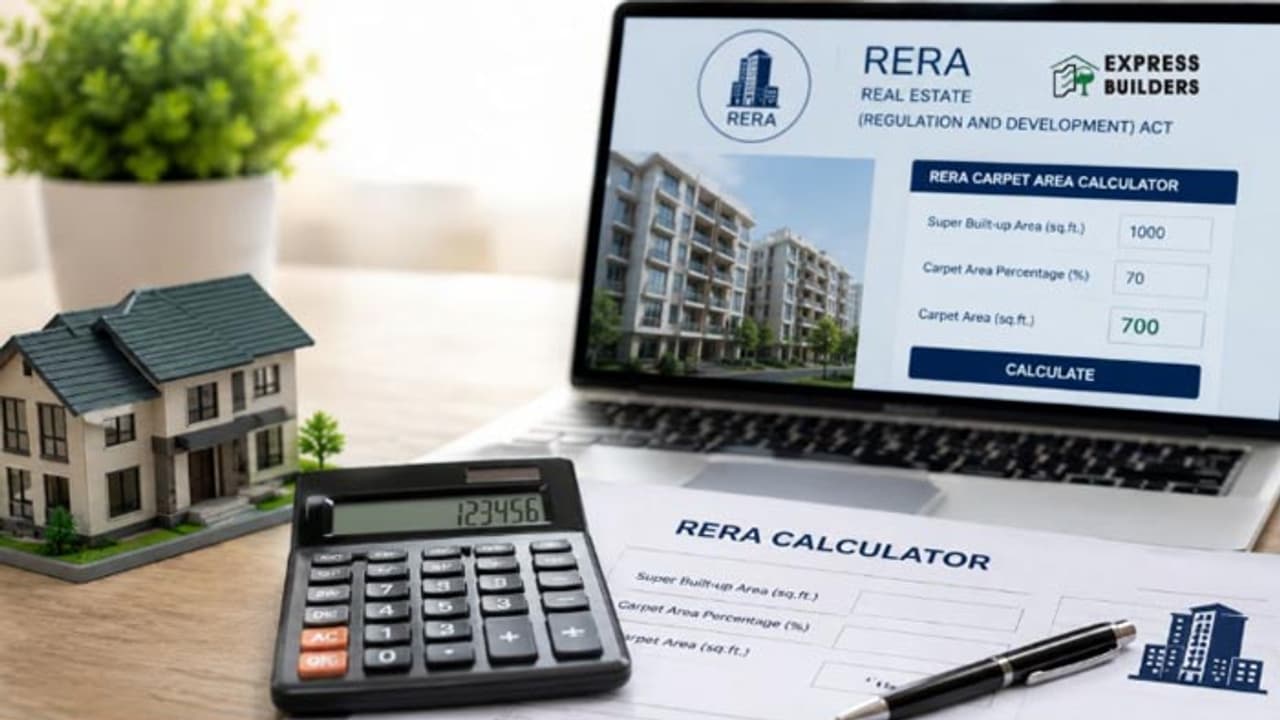
A plot area calculator removes the risk of manual calculation errors. A land area calculator eliminates manual errors and speeds up property evaluation.
Purchasing a property is one of the biggest financial decisions most people make. Yet, many homebuyers begin the process without fully understanding how land measurements work. Property documents often include terms such as Cent, Guntha, and Ground, which can feel confusing if you are unfamiliar with regional land units. A small misunderstanding in measurement may affect pricing, ownership clarity, and long-term property value.
A land area calculator helps simplify this process by converting land measurements into standard units quickly and accurately. Before comparing plots, evaluating apartments, or signing legal documents, understanding land measurements can help homebuyers make far more informed property decisions.
Why Accurate Land Measurement Matters
Land area calculations are not relevant only for plot purchases. If you are buying a flat, the land area of the overall project determines several factors: the floor-space index (FSI), the number of units per plot, common area allocations, and long-term resale value.
Understanding how much land a project sits on gives buyers a clearer sense of density, open spaces, and eventual appreciation potential.
Reputed builders typically disclose the total land area of a project in their brochures and RERA filings. A land area calculator can help buyers independently verify these figures before shortlisting properties. Homebuyers are encouraged to use this figure to calculate the total number of units relative to the plot size, which directly impacts the quality of open spaces and amenities.
How Land Measurement Units Differ Across India
India does not follow a single, standardised land measurement system. Different states use different traditional units, and this can create confusion for homebuyers moving across regions or investing in a new city.
Here is a quick overview of the most commonly used regional units:
- Cent is widely used across South India, particularly in Tamil Nadu and Kerala. One Cent equals 435.56 square feet. It is commonly referenced for smaller residential plots.
- Guntha is prevalent in Maharashtra and Karnataka. One Guntha equals 1,089 square feet. You will encounter this unit frequently in agricultural and semi-urban land transactions.
- Ground is primarily used in Chennai and parts of Tamil Nadu. One Ground equals 2,400.35 square feet. This is a particularly important unit for homebuyers looking at residential plots in the city.
These figures are the standard conversion rates applicable across most Indian states, though slight regional variations may exist.
This is where a land area calculator becomes especially useful for instant unit conversion.
How a Land Area Calculator Simplifies Property Decisions
A plot area calculator removes the risk of manual calculation errors. A land area calculator eliminates manual errors and speeds up property evaluation.
Here is how the tool typically works:
- Enter the Value: Input the land size mentioned in your property document, say 3 Grounds or 5 Cents.
- Select the Unit: Choose the relevant land measurement unit from the available options.
- Select Your State: The calculator applies region-specific conversion rates for greater accuracy.
- View the Result: The converted value appears in square feet immediately.
This four-step process takes under a minute. It is particularly useful during site visits, negotiation stages, and legal documentation.
How to Use Land Area Data During Property Evaluation
When evaluating a property, land area data should feed into several calculations:
- Assessing Density: Divide the total number of units in a project by the total land area. A lower unit-to-land ratio generally means more open space, better ventilation, and more privacy. Using a land area calculator helps validate density calculations quickly and accurately.
- Estimating Undivided Share (UDS): In apartment ownership, each flat comes with a proportionate share of the land. A larger UDS typically indicates a higher land entitlement, which has implications for resale value and legal ownership.
- Verifying RERA Disclosures: Every registered project in India must disclose its land area under the Real Estate (Regulation and Development) Act, 2016. Cross-referencing this with builder documents ensures transparency, especially when comparing offerings from different apartment builders in Chennai in competitive urban markets.
Make Informed and Confident Property Decisions
Buying a home involves understanding what you own, how much you own, and what that land means for your long-term wealth. Armed with accurate measurement knowledge and digital tools, buyers can make informed, confident decisions. To simplify this process, many builders like Casagrand provide land area calculators on their portals, ensuring total clarity before you sign a contract. Every residential project in their diverse portfolio across major cities is designed with absolute transparency in structural specifications and a commitment to premium living standards. Choosing a builder that prioritizes open data, rigorous quality standards, and fair practices makes them a preferred choice for secure homeownership.