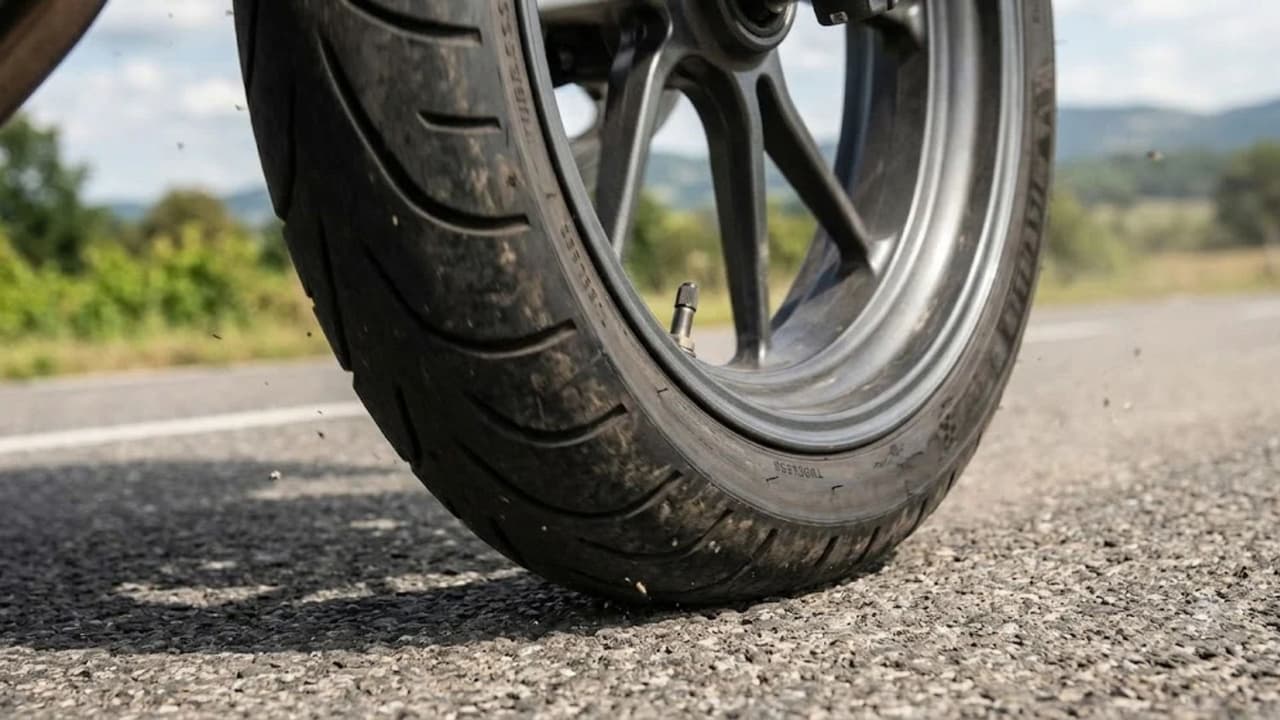
Car and bike owners use tubeless tyres a lot these days. These tyres offer special benefits over regular ones. How do tubeless tyres actually work? Do they never get punctured? Let us find out the facts.<img><p>Regular tyres have a separate rubber tube inside for air pressure. Tubeless tyres skip this inner tube completely. A special inner lining stops the air from escaping. The tyre edges grip the wheel rim tightly to seal the air inside. Mechanics attach the air valve directly to the rim. You should not think these tyres are completely puncture-proof. Their design just makes the air leak very slowly during a puncture. Some tyres also use a special liquid sealant to block tiny holes automatically.</p><img><p>Manufacturers design tubeless tyres to trap air securely. The tyre edges stick firmly to the rim when fitted properly. This tight setup prevents air leaks. Many tubeless tyres use a special liquid sealant to reduce puncture risks. Mechanics fill this liquid inside the tyre beforehand or pump it through the valve.</p><p>The sealant blocks the escape route quickly when a small hole appears. However, not all tubeless tyres come with this sealant. The liquid also cannot fix big holes, sidewall damage, or severe punctures. Tubeless tyres still offer great benefits. The air does not rush out immediately after a puncture. Drivers get enough time to park the vehicle safely. Proper air pressure also ensures good grip and driving comfort.</p><img><p>Companies make tubeless tyres out of rubber. Sharp objects easily pierce them and create holes. Nails, iron pieces, and broken glass on the road cause most punctures. Drivers also damage their tyres by speeding over potholes and rough roads. Low air pressure and worn-out treads affect tyre performance badly.</p><p>However, tubeless tyres do not lose all air instantly like regular tyres. The air leaks out slowly if the hole is small. The sealant sometimes blocks the hole completely. This reduces the immediate puncture risk. Drivers can travel a short distance without stopping right away. You must not drive long distances with a punctured tyre though. Driving on a flat tyre damages the wheel and causes loss of control. You must stop at a safe place and check the tyre immediately.</p><img><p>Mechanics can technically fit a tube inside a tubeless tyre. You must check the tyre condition, rim shape, and company guidelines first. This temporary fix brings several risks. The air escapes very fast if the tube fails to sit properly. Drivers can lose control of the vehicle easily. The inner surface of a tubeless tyre feels rougher than a regular tube tyre.</p><p>This roughness rubs against the tube and damages it. The friction between the tyre and tube generates excess heat. This heat increases the risk of tyre bursts. The tube setup also affects overall driving performance. You cannot guarantee a specific speed limit drop, as it depends on the tyre brand. You should always repair a puncture using the proper tubeless method. You must buy a new tyre if the old one is beyond repair.</p><img><p>You cannot avoid punctures completely, but you can reduce the risks with basic care. Drivers must maintain the exact air pressure recommended by the vehicle company. You should check the tyre pressure regularly. Owners must inspect their tyres for cracks, cuts, nails, or sharp objects. You must replace the tyres once the treads wear out completely.</p><p>Drivers should avoid potholes, stones, glass pieces, and nails on the road. You must slow down near bad road patches. You should check the vehicle immediately if the tyre loses air or pulls to one side. Drivers must never travel long distances on a punctured tyre. You should always keep a spare tyre, jack, and basic tools in your car. Bike and car owners without a spare tyre must carry a company-approved puncture repair kit.</p>