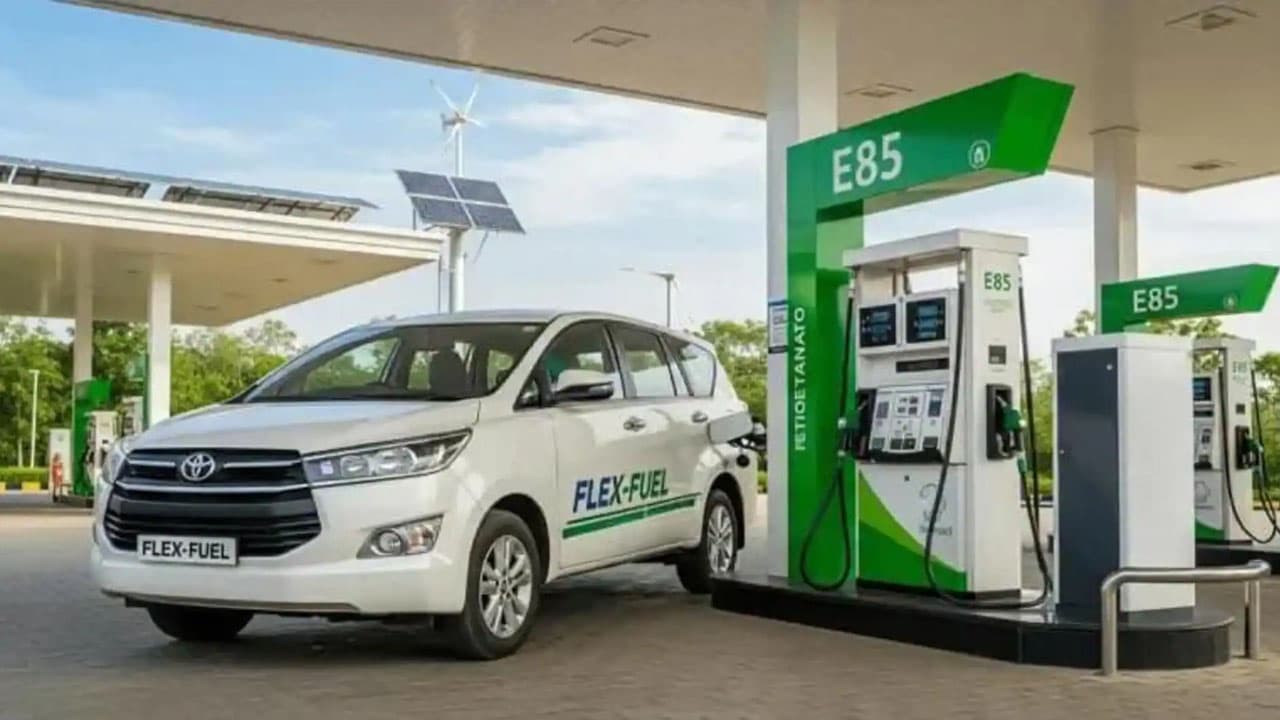
India’s government has waived excise duty on petrol with 22% to 30% ethanol content. The policy aims to accelerate the adoption of cleaner fuels like E20 and E30, reduce crude oil imports, and lower carbon emissions. This move is expected to make higher ethanol blends more competitive, potentially decreasing fuel costs for consumers over time.
India Waives Excise Duty on High-Ethanol Petrol
In a significant push towards cleaner and more affordable fuel, the central government has announced a complete excise duty exemption on petrol blended with 22% to 30% ethanol. The move is expected to accelerate the adoption of higher ethanol-blended fuels such as E20 and E30, while supporting India’s broader goals of reducing crude oil imports and lowering carbon emissions.
The decision comes amid the government’s sustained efforts to increase ethanol blending in transport fuels. By incentivising oil companies and consumers to transition to higher ethanol blends, policymakers hope to create a more self-reliant and environmentally sustainable fuel ecosystem.
Union Road Transport and Highways Minister Nitin Gadkari has been one of the strongest advocates of ethanol-based fuels, repeatedly highlighting their potential to cut fuel costs, reduce pollution and strengthen India’s energy security.
Gadkari Backs E20 and E30 Fuel Expansion
Speaking about the initiative, Gadkari emphasised the benefits of ethanol-blended fuels and urged faster adoption of E20 and E30 petrol across the country.
“If people start using ethanol-blended fuel, petrol prices can come down significantly,” Gadkari said while reiterating the government’s commitment to alternative and bio-based fuels.
Also Read: Petrol, Diesel Prices Today (June 11): Check Latest Fuel Rates in Delhi, Mumbai, Bengaluru, Hyderabad and More Cities
The minister has consistently argued that ethanol can serve as a viable substitute for conventional fossil fuels while creating additional income opportunities for farmers. Increased ethanol production from agricultural feedstock can help reduce dependence on imported crude oil and support rural economies.
The excise duty exemption is expected to make higher ethanol blends more competitive, encouraging fuel retailers and automobile manufacturers to expand infrastructure and compatibility for ethanol-based fuels.
What the Move Means for Consumers and India
The policy is being viewed as a win-win for consumers, farmers and the environment. Higher ethanol blending can potentially reduce fuel costs over time, improve air quality and lower India’s import bill for crude oil.
Industry experts note that India has already made substantial progress in ethanol blending, achieving milestones that were once targeted for future years. The latest tax exemption could further accelerate the shift towards biofuels and help the country move closer to its clean-energy objectives.
The announcement also aligns with India’s long-term strategy to diversify energy sources and reduce exposure to global oil price volatility. As ethanol production capacity expands and more vehicles become compatible with E20 and E30 fuels, consumers may gradually see greater availability of blended fuel options at petrol pumps.
While the immediate impact on retail fuel prices remains uncertain, the government’s latest decision signals a clear commitment to promoting ethanol as a key component of India’s future energy mix. The move is expected to encourage investment in biofuel infrastructure and strengthen the country’s transition towards cleaner, domestically produced transportation fuels.
Also Read: India Launches E85 Fuel at Rs 82 Per Litre: Benefits, Compatible Cars and What It Means for Drivers