Karwa Chauth Fast is traditionally observed by married women who pray for their husbands’ long life and good health. The festival falls on the Chaturthi of the Krishna Paksha in the Hindu month of Kartik, and in 2026 it is being observed on October 29, according to the supplied festival information. In many communities, women follow a nirjala fast, avoiding both food and water from sunrise until the moon is sighted. However, fasting for an extended period may require extra care for people living with diabetes or high blood pressure. Changes in food and fluid intake can affect blood glucose levels, hydration and the way some medicines need to be managed. Health experts therefore advise people with existing medical conditions to consult their doctor before deciding whether to observe a strict fast.
Can People With Diabetes Observe the Fast?
For people with diabetes, going for many hours without eating can increase the risk of hypoglycaemia, or dangerously low blood sugar. The risk may be higher for those who use insulin or certain glucose-lowering medicines. Blood sugar can also rise in some circumstances, so fasting does not affect everyone in the same way.
General physician Dr Shekhar Ranjan, speaking to Amar Ujala in the source report, advises people with diabetes to be cautious about prolonged fasting and seek medical guidance beforehand. Whether fasting is appropriate depends on factors such as glucose control, the medicines being taken and the person’s overall health.
People should not skip prescribed doses, change medication timings or adjust their treatment independently to accommodate the fast. A doctor can explain whether fasting is advisable and whether a different approach to food, fluids or medication is needed.
What Should People With Diabetes Eat During Sargi?
If a healthcare professional considers fasting suitable, the pre-dawn meal, known as sargi, should be planned carefully. Foods containing protein and fibre may help provide longer-lasting fullness and support a more balanced meal.
Depending on individual dietary needs, options may include milk, yoghurt, paneer and fruits with a relatively low glycaemic index. Portion sizes and food choices should be tailored to the person’s glucose management plan. Large amounts of sweets, sugary drinks, packaged juices and heavily fried foods may make blood glucose management more difficult.
People should follow their clinician’s advice about checking blood sugar during the fasting period. Symptoms such as sweating, trembling, unusual anxiety, dizziness or sudden weakness may indicate low blood sugar, although other conditions can cause similar signs. If low glucose is suspected, health and safety should take priority over continuing the fast. Follow the treatment plan provided by the healthcare professional and seek urgent help if symptoms are severe.
Precautions for People With High Blood Pressure
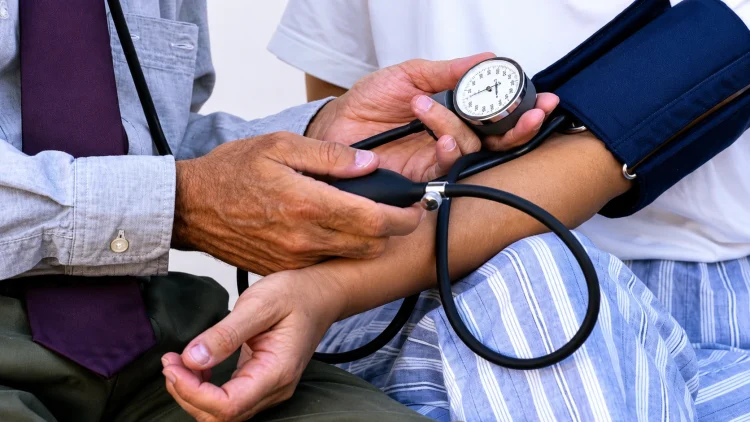
People with hypertension should also discuss a nirjala fast with their doctor before deciding to go without water for an extended period. Dehydration can cause thirst, weakness and dizziness, and may be particularly concerning for people who take medicines that affect fluid balance or blood pressure.
Medication requirements vary, so patients should not stop their blood pressure tablets or change the dose on their own. A doctor can advise whether the planned fast is suitable and how prescribed medicines should be managed.
When eating before the fast or breaking it later, people with high blood pressure should avoid excessive amounts of salt and highly processed foods. Drinking adequate fluids before and after the fasting period is important when permitted by their medical advice and individual treatment plan.
Warning Signs That Should Not Be Ignored
Certain symptoms require prompt medical attention, regardless of religious observance. Fainting, chest pain, breathing difficulty, severe dizziness or unusual weakness should not be dismissed as ordinary effects of fasting.
Anyone experiencing serious symptoms should seek urgent medical care rather than trying to complete the fast. People with diabetes should also take signs of low blood sugar seriously and follow their prescribed response plan.
Make Health Part of the Festival Planning
The decision to observe Karwa Chauth while living with diabetes or high blood pressure should be based on an individual’s medical condition, treatment and doctor’s advice. A strict fast may not be suitable for everyone, and a modified observance may be safer for some people.
Planning ahead can help avoid last-minute medication changes or preventable health problems. Religious traditions are deeply personal, but protecting one’s health is equally important. Anyone with a chronic condition should speak to their healthcare professional before Karwa Chauth or any other prolonged fast.