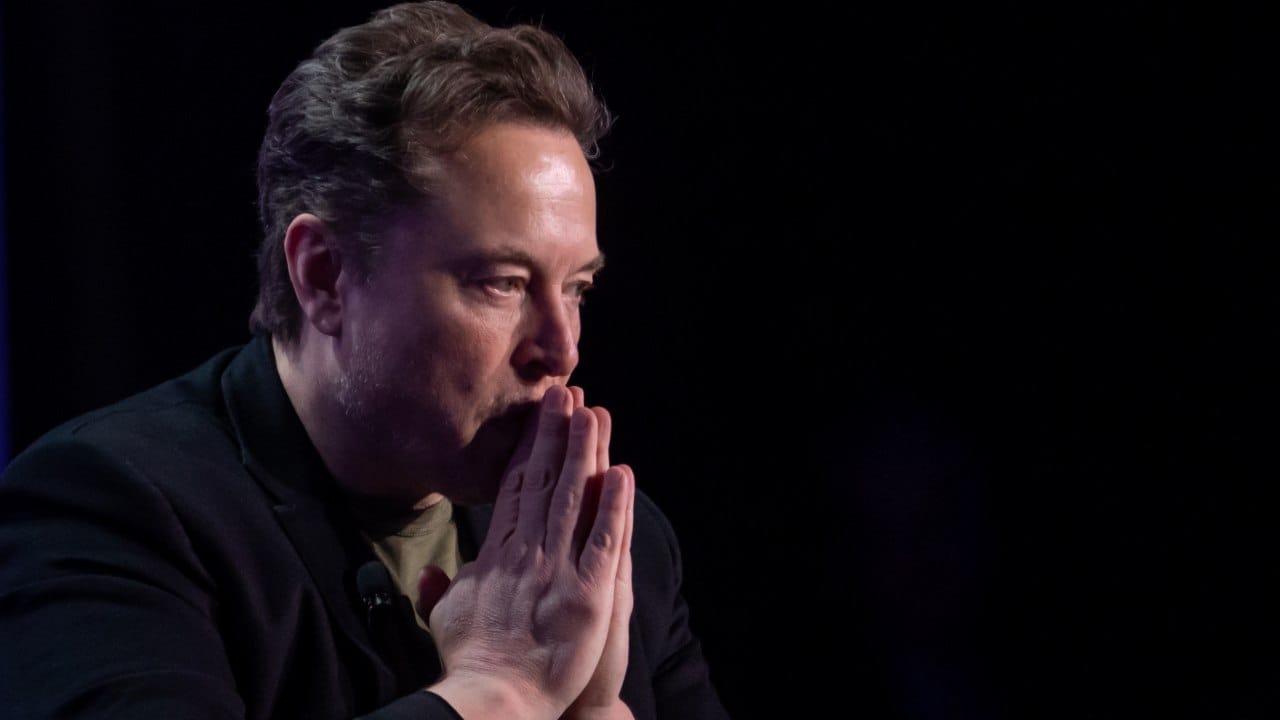
Image Credit source: Apu Gomes/Getty Images
Elon Musk’s SpaceX is preparing for the biggest IPO (Initial Public Offering) in history. This giant rocket and satellite manufacturing company is trying to raise $75 billion at a valuation of about $1.75 trillion. According to Reuters, there is tremendous enthusiasm among investors about this and the demand for shares is almost four times more than the number of shares being offered.
This listing is giving public market investors a rare opportunity to buy a stake in the most important company of Musk’s business empire (which many consider the ‘crown jewel’). Today SpaceX is no longer just a rocket company.
Its work includes satellite internet through Starlink, commercial space launches, defense contracts and rapidly growing artificial intelligence infrastructure. Nevertheless, behind all the excitement about this big IPO, there are many risks which investors need to consider carefully before investing.
huge loss
Despite continuous losses, investors remain enthusiastic about SpaceX. In 2025, SpaceX reported revenues of $18.67 billion and net losses of $4.94 billion. Investors are actually betting on the company’s future rather than its current earning potential. The basis of investment is the growth potential in opportunities related to satellite broadband, launch services, defense contracts and AI rather than current profits.
Is SpaceX’s IPO overvalued?
It is expected that SpaceX will start trading on Nasdaq in a little more than two weeks and its market debut could become the biggest IPO ever. However, Morningstar analysts have expressed concern over the company’s proposed valuation.
In a note released on Monday, the research firm said SpaceX’s valuation appears “significantly overvalued” and suggested investors may find better investment opportunities once the stock begins trading.
Morningstar also expressed uncertainty about the future profitability of SpaceX’s xAI business and said that the range of possibilities for its results is very wide. The analyst described the unit’s economic moat (competitive advantage) as “uncertain” and warned that it could pose a “significant risk of value erosion” for the company.
Most of the control will remain with Elon Musk
Even after the company goes public, the control of SpaceX will remain completely in the hands of Musk. Regulatory filings show that Musk will retain about 82.4 percent of voting rights through his Class B shares. These shares get ten votes per share. In fact, he will have about 82 percent of the total voting power of the company, which will give him the opportunity to have a huge impact on important decisions of the company. At the same time, common investors will get ‘Class A’ shares, in which each share will have the right of one vote.
debt looming over the head
It is also important to pay attention to SpaceX’s balance sheet. According to a Reuters report citing regulatory filings, the company had taken a $20 billion ‘bridge loan’ in April to refinance a large portion of its existing debt ahead of the IPO.
This loan was taken from a group of lenders (syndicate), whose identity was not disclosed in the filing. Under the terms of the loan, if the loan is not repaid from another funding source within six months after the IPO, SpaceX may have to use the IPO proceeds to repay the loan.
increasing competition
The competition to make space commercial is increasing rapidly. Private companies like SpaceX and Blue Origin are competing vigorously to reduce launch costs, expand the scope of satellite-based services and win government contracts. An important part of SpaceX’s business is Starlink, which is the world’s largest satellite operator. This broadband network of approximately 10,000 satellites provides internet connectivity to consumers, companies and government customers around the world.
Although SpaceX remains the largest company in many areas of the commercial space industry, increasing competition means the company will have to continue investing heavily to maintain its leadership position.
For investors, this IPO is providing an opportunity to invest in one of the most talked-about technology and aerospace companies in the world. However, along with expectations of future growth, questions related to valuation, profits, debt and governance also arise, which may prove to be equally important when the stock starts trading.