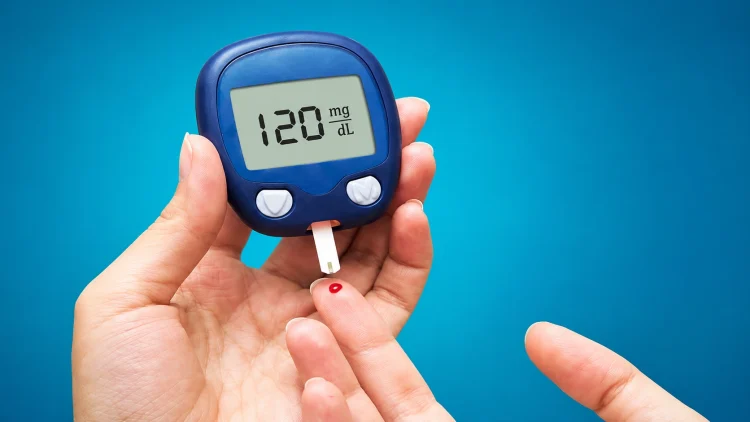
Early Signs of Diabetes in Men can be easy to overlook because the first changes are not always dramatic. A man may feel unusually tired throughout the day, wake up several times at night to urinate or notice that he is constantly thirsty. These symptoms can be mistaken for work pressure, poor sleep or the effects of ageing. However, they may also indicate elevated blood sugar levels, particularly when several symptoms appear together or persist over time.
Diabetes is a chronic condition that affects how the body regulates blood glucose. It can develop at different ages, and some people experience few or no noticeable symptoms during its early stages. Excess weight, limited physical activity, a family history of diabetes and high blood pressure can increase the risk of developing type 2 diabetes. Recognising possible warning signs and arranging appropriate testing can help people receive medical advice before complications develop.
1. Frequent urination, especially at night
Needing to urinate more often than usual is one of the common symptoms of diabetes. When blood glucose levels become too high, the kidneys work to remove excess glucose through urine. This process can increase urine production and may cause someone to wake repeatedly during the night to use the bathroom.
Frequent urination can also result from other conditions, including urinary tract problems and certain medications. However, if the change is persistent or accompanied by unusual thirst, it is worth discussing with a healthcare professional.
2. Persistent thirst and a dry mouth
Feeling thirsty after exercise or spending time in hot weather is normal. Constant thirst despite drinking enough water, however, can be associated with elevated blood sugar. Increased urination can cause the body to lose more fluid, leaving a person feeling dehydrated.
A dry mouth may occur alongside this symptom. If thirst continues for several days without an obvious explanation, particularly when combined with frequent urination, a blood glucose test may be appropriate.
3. Ongoing fatigue and low energy
Unusual tiredness can be another sign that something is affecting the body’s normal functioning. When glucose cannot be used effectively for energy, a person may feel exhausted even after a full night’s sleep. Everyday activities that once felt manageable may begin to require more effort.
Fatigue is not specific to diabetes and can also be linked to sleep disorders, anaemia, stress and other medical conditions. Persistent tiredness accompanied by other possible diabetes symptoms should not be dismissed without assessment.
4. Unexplained weight loss
Losing weight without changing eating habits or increasing physical activity can be a warning sign. When the body cannot use glucose properly, it may begin breaking down stored fat and muscle for energy.
Unexpected weight loss can have several causes, some of which require prompt medical attention. Anyone experiencing a noticeable drop in weight without a clear explanation should consult a doctor rather than assuming it is harmless.
5. Blurred vision
Changes in blood glucose can affect the fluid balance in the eye, temporarily altering vision. Some people notice that objects appear blurry or that their eyesight fluctuates throughout the day.
Although vision changes may be related to blood sugar, they can also signal other eye conditions. Persistent or recurring blurriness warrants medical assessment. Sudden vision loss or a sudden, significant change in eyesight requires urgent medical attention.
6. Slow-healing wounds and repeated infections
High blood sugar can interfere with the body’s ability to heal wounds and may affect its response to infection. A minor cut that takes longer than expected to heal, or repeated infections involving the skin, gums or genital area, may be associated with diabetes.
These problems can occur for other reasons as well, so they should not be treated as proof of the condition. Repeated infections or wounds that fail to heal properly deserve medical evaluation, particularly when other symptoms are present.
7. Erectile dysfunction and sexual health changes
Some men with diabetes experience erectile dysfunction, which means difficulty achieving or maintaining an erection. Over time, diabetes can damage blood vessels and nerves involved in sexual function, potentially contributing to the problem.
However, erectile dysfunction may also be linked to stress, hormonal changes, medication effects or cardiovascular conditions. Men experiencing persistent difficulties should speak with a healthcare professional, as the symptom can sometimes point to an underlying health issue.
When should men get tested for diabetes?
A doctor may recommend a fasting blood glucose test, an HbA1c test or another suitable blood glucose assessment. The HbA1c test estimates average blood sugar levels over approximately the previous two to three months. The appropriate test and interpretation depend on a person’s medical history and individual circumstances.
Men who have excess weight, a family history of diabetes or conditions such as high blood pressure may benefit from discussing screening with their doctor, even if they have no symptoms. Testing is important because diabetes can develop without obvious early warning signs.
Everyday habits that support diabetes prevention
Healthy lifestyle choices can help reduce the risk of type 2 diabetes. Eating balanced meals, limiting sugary drinks and highly processed foods, staying physically active and maintaining a healthy weight are useful steps. Regular sleep and avoiding tobacco also support overall health.
Lifestyle changes cannot prevent every case, and people with risk factors may still develop diabetes. Anyone who suspects they have the condition should seek medical advice rather than relying on diet or exercise alone. Early assessment and an appropriate treatment plan can help manage blood glucose and reduce the risk of long-term complications.