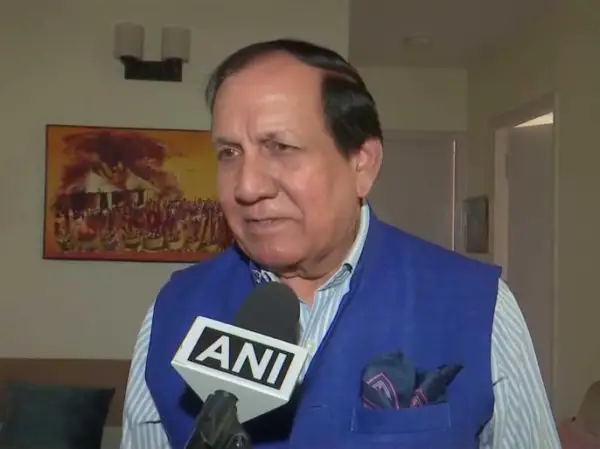
Former senior diplomat Surendra Kumar believes the recent meeting between External Affairs Minister S. Jaishankar and US Secretary of State Marco Rubio was a crucial opportunity to discuss issues, reduce disagreements, and improve relations between India and the United States.
Speaking to ANI, Kumar highlighted the significance of the talks, especially given the recent strains in India-US relations. While acknowledging that the meeting didn’t signal a major breakthrough, he stressed its importance in exchanging views and narrowing differences. He expressed optimism that these discussions would help ease the tense atmosphere that had developed between the two nations.
Kumar also commented on the proposed India-US bilateral trade agreement. Despite positive signals from US President Donald Trump and Rubio that a deal was imminent, Kumar questioned the timeline, recalling past assurances that the agreement was just ‘a week away’. He emphasized that a finalized agreement would be a significant step, opening up new avenues for expanding trade between both countries.
Addressing counter-terrorism, Kumar voiced concerns about the gap between US commitments and actions against terrorist infrastructure in Pakistan, which India views as the ‘epicentre of terrorism’. He questioned the effectiveness of Washington’s engagement with Pakistan in addressing India’s security concerns, particularly after incidents like the Pahalgam terror attack.
On energy cooperation, Kumar advised India to prioritize practical considerations like price and availability when considering oil purchases, including from Venezuela, rather than being swayed by external pressures. He also welcomed US-linked investments in India, citing developments in Reliance Industries at Jamnagar, but urged that headline figures be matched with concrete actions and implementation. Kumar concluded by stressing that the US, as a key partner, must remain sensitive to India’s interests and concerns, and continued dialogue is vital for strengthening cooperation.