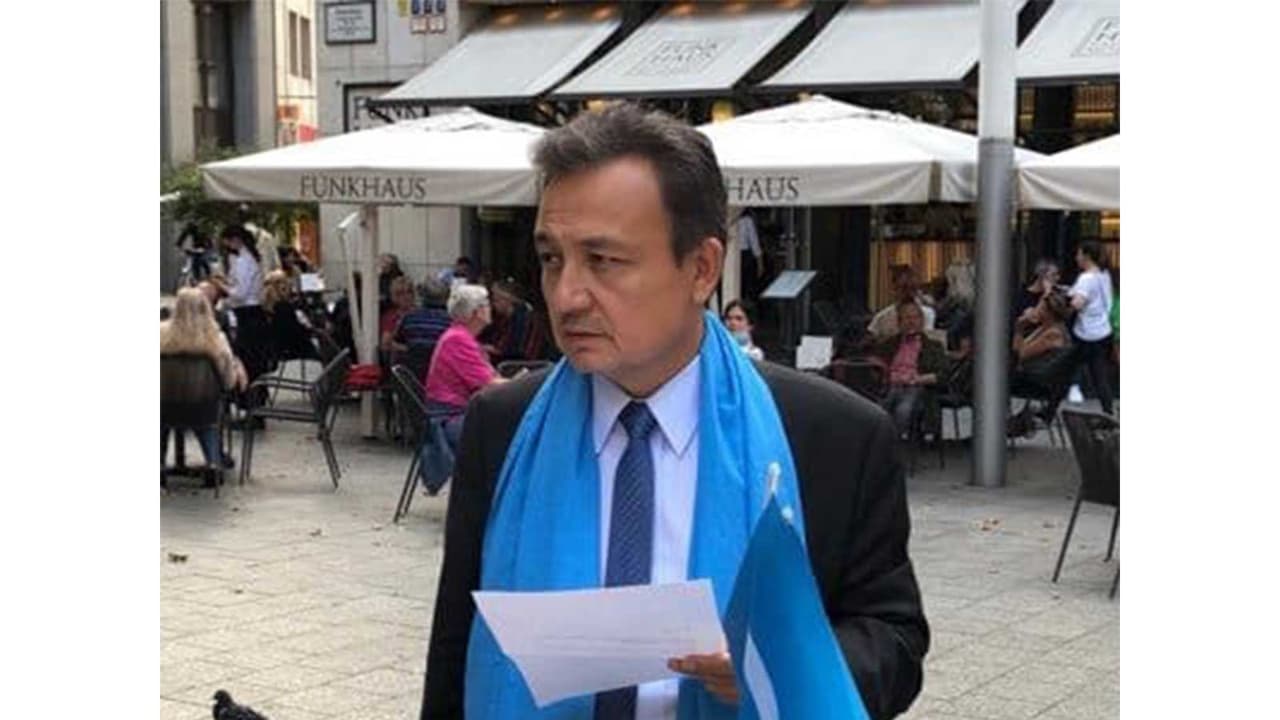
Uyghur leader Dolkun Isa has questioned the Nobel Peace Prize for Navi Pillay, citing her alleged failure to protect Uyghur activists as UN High Commissioner and accusing her office of sharing activists’ information with the Chinese government.
Dolkun Isa, president of the Uyghur Centre for Democracy, has questioned the decision to award the Nobel Peace Prize to Navi Pillay, citing alleged failures to protect Uyghur human rights defenders during her tenure as United Nations High Commissioner for Human Rights.
Allegations of Betrayal and Calls for Accountability
In a statement posted on social media platform X, Isa raised concerns over alleged Chinese pressure, surveillance and attempts to silence him while he advocated for Uyghur rights at the UN. Isa claimed that he was forcibly removed from UN premises in 2017 and faced serious obstacles to accreditation and access during Pillay’s tenure, particularly in 2012–2013.
He further alleged that the office led by Pillay had shared information about his participation, along with that of other human rights defenders, with the Chinese government without their consent. Describing the alleged disclosure as a profound betrayal of trust, Isa called for a full and transparent investigation into the practice.
“Why was information about human rights defenders shared with China? Who authorised it? And why did those entrusted with our protection fail us?” Isa asked, demanding accountability from the institution responsible for safeguarding human rights.
Pillay’s Record and Uyghur Genocide Concerns
While acknowledging Pillay’s achievements and courage in other areas, Isa argued that these could not erase what he described as failures to protect the rights and safety of Uyghur activists during her leadership. He also expressed disappointment over what he said was the absence of strong and unequivocal solidarity from Pillay in response to the persecution of Uyghurs, which he described as genocide.
The Personal Cost of Activism
Highlighting the personal cost of his activism, Isa said his mother died in a Chinese internment camp in 2018, while his two brothers remain imprisoned in China. “This is deeply personal,” he said, underscoring the impact of China’s actions on his family.
Demand for Universal Human Rights and Scrutiny
Isa maintained that the Nobel Peace Prize should not shield any individual from scrutiny or accountability, stressing that human rights protections must apply universally.
“Human rights are universal. That promise must include the Uyghur people,” he said. His remarks place renewed focus on questions of institutional accountability, the protection of human rights defenders and the treatment of Uyghurs in China. (ANI)
(Except for the headline, this story has not been edited by Asianet Newsable English staff and is published from a syndicated feed.)