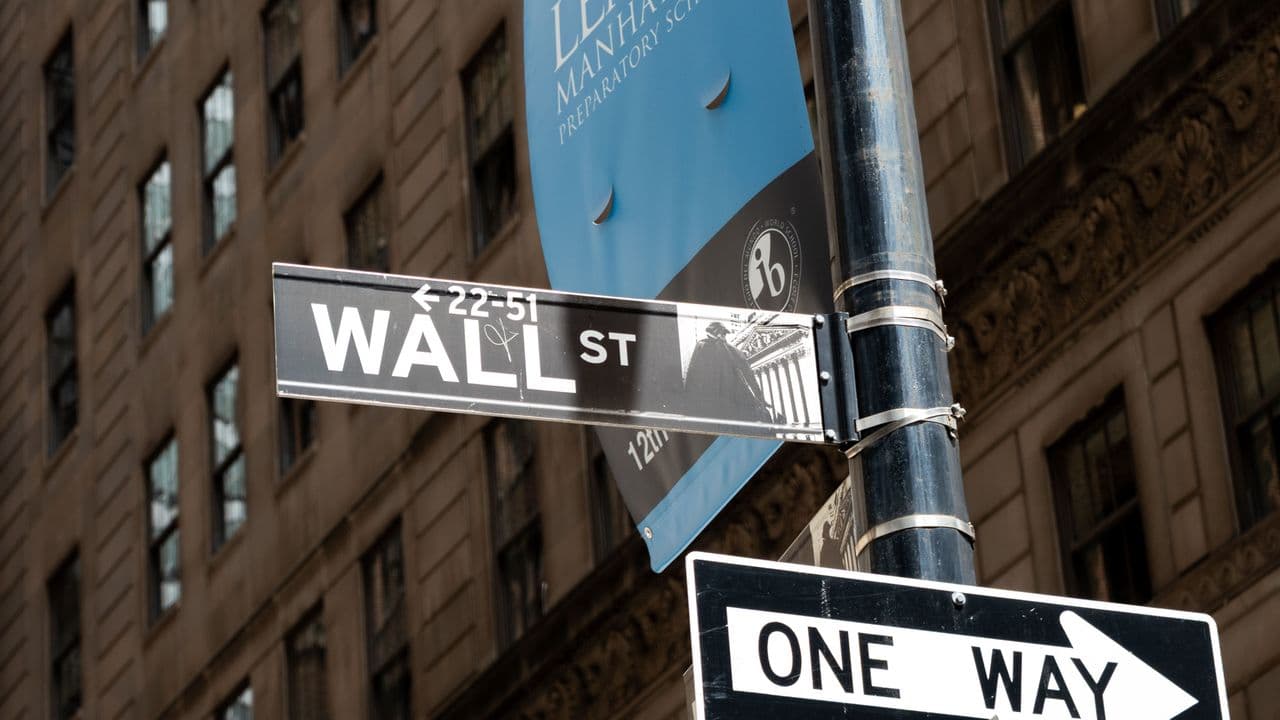
Market analysts interviewed by CNBC suggest the market downturn presents an attractive entry point rather than a sign of economic distress.
- The Invesco KBW Bank ETF has fallen 12% since mid-August, with major institutions suffering notable single-month declines while equity indices trade near record highs.
- Investor anxiety stems from a hawkish Federal Reserve, rising Treasury yields, and concerns about higher deposit costs and potentially slower loan growth.
- Wall Street strategists view the pullback as an overreaction, pointing to solid economic conditions, healthy revenue drivers, and attractive valuations across key banking institutions
Major bank shares have drifted into correction territory ahead of next week’s third-quarter earnings reports, but prominent Wall Street strategists argue the slide reflects overblown economic fears rather than underlying weakness.
The Invesco KBW Bank ETF (KBWB) has retreated 12% from its mid-August peak, signaling correction territory. Over the past month alone, Bank of America (BAC) has dropped 16%, Goldman Sachs (GS) has declined 15%, Morgan Stanley (MS) has fallen 13.7%, Wells Fargo (WFC) has slid 9%, and JPMorgan (JPM) has slipped 7%.
Meanwhile, the broader market has displayed resilience, with both the S&P 500 and Nasdaq hitting record highs during the week ending Oct.9.
Fed Tightening And Yields Weigh on Sentiment
The sharp divergence between financial equities and the broader market comes as investors digest tight monetary policies. Following an expected rate hike last month, Federal Reserve officials—including Governor Christopher Waller—signaled that ongoing inflation challenges necessitate tighter policy.
While elevated interest rates typically bolster bank loan margins, Wall Street fears prolonged tightening could raise deposit costs, increase credit losses, and stunt overall borrowing. Additionally, multi-decade highs in 10-year and 30-year Treasury yields have raised funding costs, while delayed initial public offerings could weigh on investment banking revenues.
“The decline in bank stocks is a manifestation of the market’s expectations that there are more rate hikes ahead,” Chris Grisanti, chief market strategist at MAI Capital Management, told CNBC.
“They will see the stocks really struggle under those conditions,” said Gerard Cassidy, bank analyst at RBC Capital Markets, noting that additional Fed rate hikes would place credit cycle costs front and center for investors.
Analysts Highlight Buying Opportunities
Despite macroeconomic concerns, market experts say systemic risks remain low and current valuation dips offer a good entry point.
Grisanti noted that investors are “overly afraid” of a Fed-induced slowdown despite a lack of economic evidence, characterizing the sector pullbacks as “more of an opportunity than a harbinger of a downturn”.
Echoing this view, Cassidy said current stock weakness is a buying opportunity because the “underlying fundamentals remain strong,” and the U.S. economy is “nowhere near a recession.” Looking ahead to the upcoming quarterly reports, Cassidy added that “the outlook should remain very healthy for the banks”.
BAC, JPM, GS Stock: Retail View
Retail sentiment on Stocktwits was ‘bullish’ across BAC, JPM and GS stocks and most other top banking names.
BAC stock has gained 3% year-to-date, while JPM and GS stocks have lost between 1% and 2% during the same period.
For updates and corrections, email newsroom[at]stocktwits[dot]com.<