Smoking and Cancer – Smoking is widely recognised as a major health risk, but its effects extend far beyond the lungs. Health experts have increasingly warned about the broader burden of chronic diseases, including diabetes, high blood pressure and heart disease, while tobacco use remains one of the most preventable risk factors. Cigarette smoke contains numerous harmful chemicals, including substances capable of damaging cellular DNA and contributing to cancer development. The supplied material cites evidence linking tobacco use with cancers affecting several parts of the body, making the risks relevant even for people who do not associate smoking with anything beyond lung disease.
Lung cancer remains a major concern
The lungs receive the most direct exposure to cigarette smoke, and lung cancer is therefore one of the strongest health risks associated with smoking. The supplied material notes that cigarette smoke contains at least 70 identified chemicals capable of causing cancer. Even people who smoke relatively small amounts or smoke only occasionally can still face increased risk.
Smoking-related damage is not restricted to lung tissue. The report also links tobacco exposure with cancers involving parts of the respiratory tract, highlighting how repeated exposure to smoke can affect tissues beyond the lungs themselves.
Mouth, throat and voice box are also exposed
Smoke passes directly through the mouth and throat, exposing these tissues to harmful substances. Long-term smoking can increase the risk of cancers affecting the mouth, throat and larynx, or voice box. Persistent throat problems, changes in the voice or sores inside the mouth should not automatically be ignored, particularly when they continue for an extended period.
The risk can extend further down the digestive tract. According to the supplied material, smoking is also associated with an increased risk of oesophageal cancer, showing that tobacco-related harm is not confined to the areas that come into direct contact with smoke for only a short period.
Digestive organs can also be affected
The health impact of smoking can reach organs that are not directly exposed to cigarette smoke. The supplied material, citing the CDC, includes cancers of the stomach, liver, pancreas and colon and rectum among cancers associated with smoking. This broader pattern is one reason tobacco exposure is considered a major cancer risk rather than simply a respiratory health concern.
Long-term smoking can therefore affect multiple systems of the body, with the cumulative risk depending on factors including exposure over time and individual health circumstances.
Kidney, bladder and cervical cancer risks
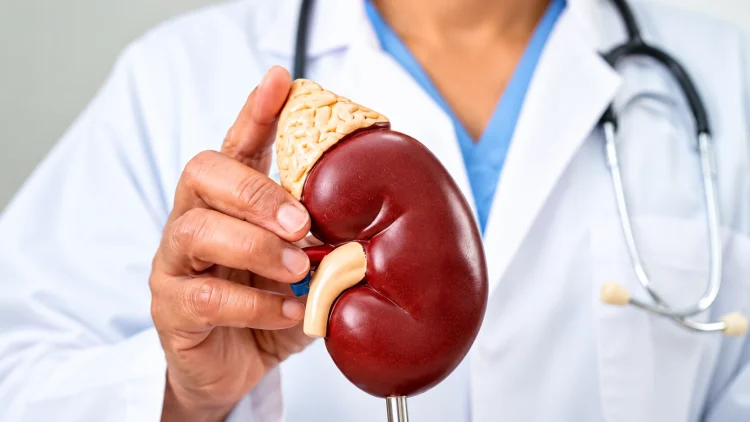
The supplied report also links smoking with increased risks of kidney and bladder cancers. For women, tobacco exposure has been associated with cervical cancer risk as well. In addition, smoking has been linked to acute myeloid leukaemia, a form of blood cancer.
These associations reinforce the point that tobacco-related cancer risks involve several different organs and tissues. Smoking should therefore be viewed as a whole-body health risk rather than an issue limited to the respiratory system.
Young tobacco users remain a public health concern
The supplied material cites research indicating that tobacco use among young people in India remains a significant public health issue. It reports that around 6.9% to 22.5% of students aged 13 to 15 were using some form of tobacco, based on the cited data. Early exposure is particularly concerning because tobacco use can become a long-term habit, increasing cumulative exposure over the years.
Quitting can reduce health risks
One important point highlighted in the supplied material is that stopping smoking can provide health benefits at any age. According to the cited CDC information, quitting can reduce the risk of 12 types of cancer, while the additional risk of lung cancer may fall by about half after 10 to 15 years compared with continued smoking.
For people who smoke, quitting remains an important step toward reducing tobacco-related health risks. Anyone seeking help to stop smoking can discuss evidence-based quitting strategies and support options with a qualified healthcare professional.