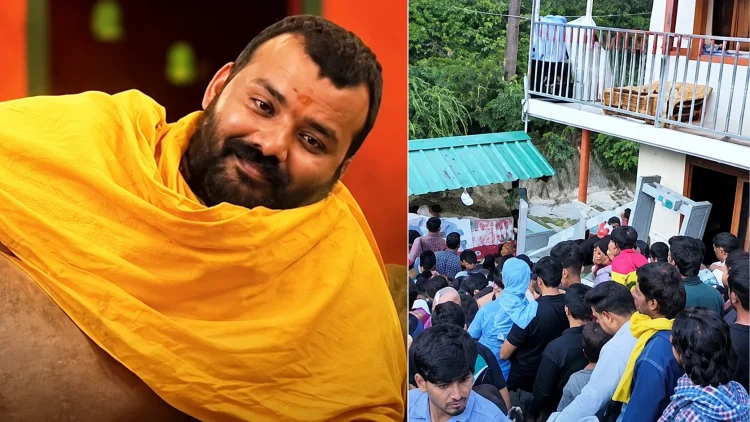
Kainchi Dham in Uttarakhand is witnessing a significant rise in visitors, with large crowds now creating traffic and cleanliness challenges around the popular spiritual destination. Videos showing packed roads and queues have circulated on social media, prompting discussion among visitors and local residents. The increased footfall has also raised concerns about access for elderly people, patients and ambulances. The situation has gained fresh attention following the popularity of the film Hanuman Ansh, although the film’s director has said that the exact connection between the movie and the increased crowd is a separate matter.
Growing Footfall After Hanuman Ansh
Social Media Brings Wider Attention
Content creator Aishwarya Kandpal said in a detailed Instagram post that information about Kainchi Dham spread rapidly through the media and internet after 2020. She said the shrine, which had traditionally been associated with a relatively peaceful atmosphere, has now become much more widely known. According to her account, the recent popularity of Hanuman Ansh has brought additional attention to the destination.
Concerns Over Changing Visitor Behaviour
Kandpal also expressed concern about visitors filming inside the premises, making loud vlogs and treating the spiritual site as a backdrop for social media content. She argued that such behaviour does not fit with the traditional atmosphere and established expectations associated with the ashram.
Local Residents Face Daily Difficulties
According to Kandpal, the increase in visitors has affected people living in the surrounding area. She recalled that, until the late 2010s, the temple generally saw a much smaller daily flow of devotees. She said her family has been associated with the ashram for years, but the current crowd levels have made routine travel increasingly difficult for residents.
Traffic Congestion Becomes a Major Problem
Elderly Visitors and Emergency Services Affected
Heavy traffic around Kainchi Dham has become one of the most visible concerns. Reports of congestion have raised questions about how easily elderly visitors, patients and emergency vehicles can move through the area. Kandpal said local residents sometimes have to leave home as early as 5 a.m. despite journeys that would normally take around 40 minutes.
Waste and Pollution Add to the Pressure
Kandpal also pointed to plastic bottles, wrappers and cigarette ends being left along roadsides. She criticised unnecessary honking and the growing noise around the area, saying that such activity can disturb the local environment and wildlife. The concerns highlight the challenge of managing a popular pilgrimage destination while protecting its surroundings.
Content Creation at the Ashram Draws Criticism
Filming and Vlogging Concerns
The growing presence of cameras and social media creators has become another point of discussion. Kandpal said visitors should avoid filming inside the ashram and should respect existing restrictions. Her appeal was directed at devotees as well as visitors who may be treating the site primarily as a location for online content.
Appeal to Respect the Premises
The central message from the criticism is that visitors should maintain cleanliness, limit unnecessary noise and follow the rules of the premises. With visitor numbers rising, individual behaviour can have a larger collective impact on the site and surrounding roads.
Film Director Issues Appeal to Visitors
Travel Planning Advised Amid Heavy Crowds
According to a UNI report, Hanuman Ansh writer-director Dr Vishal Chaturvedi also addressed the situation. In a social media video, he acknowledged that Kainchi Dham is currently experiencing heavy crowds and long queues. He appealed to devotees to plan their journeys after considering the conditions at the shrine. He also clarified that whether the film itself caused the increase in visitors is a separate question.
Balancing Pilgrimage and Responsible Tourism
The growing attention around Kainchi Dham reflects the wider challenge faced by popular spiritual destinations when visitor numbers rise sharply. Better traffic management, responsible waste disposal and respect for the religious character of the premises can help reduce pressure on residents and devotees alike. For visitors, planning ahead and following local rules can make the pilgrimage safer and less disruptive.
Conclusion
Kainchi Dham’s growing popularity has brought both greater visibility and practical challenges. While devotees continue to visit the Uttarakhand shrine in large numbers, concerns over traffic, waste, noise and filming have become increasingly prominent. The appeals from local voices and the Hanuman Ansh director underline the need for visitors to approach the pilgrimage with patience, cleanliness and respect.