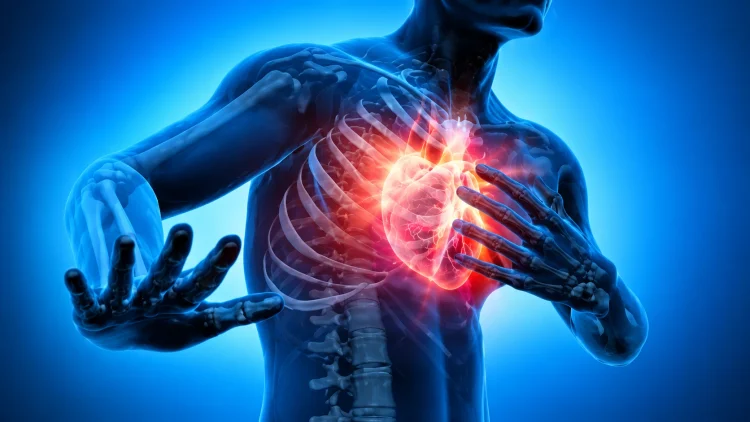
Heart Attack – Heart attack warning signs are not always limited to the chest, and some symptoms can be easy to mistake for ordinary body pain. Information from the American Heart Association notes that discomfort linked to a heart attack can also be felt in other parts of the body. This is particularly important because people may dismiss pain in the arm, back, jaw or upper abdomen as a routine problem. Recognising these possible warning signs can help people seek medical attention sooner when a serious heart problem is suspected.
Chest discomfort remains an important warning sign
Pressure, tightness, squeezing or discomfort in the centre of the chest is among the symptoms commonly associated with a heart attack. The sensation may last for several minutes, improve temporarily and then return. Some people may describe it as heaviness rather than sharp pain, which is one reason the symptom can sometimes be misunderstood. Any new or unexplained chest discomfort, particularly when accompanied by other concerning symptoms, should be taken seriously.
Pain can also appear in the arms
Pain or discomfort associated with a heart attack may extend beyond the chest and affect one or both arms. It can begin around the shoulder and travel down the arm, sometimes reaching the fingers. The sensation may come and go instead of remaining constant. Because arm pain is commonly associated with muscle strain or other everyday conditions, people may overlook it, but unexplained pain occurring alongside other heart-related symptoms warrants prompt medical evaluation.
Back, neck and jaw discomfort can also occur
Pain affecting the back, neck or jaw can sometimes accompany a heart attack. The discomfort may appear suddenly and can occur with or without noticeable chest symptoms. These symptoms should not automatically be assumed to indicate a heart problem because they can have many other causes. However, when they occur unexpectedly along with chest discomfort, breathing difficulty or unusual weakness, medical attention should not be delayed.
Upper abdominal discomfort may be mistaken for indigestion
Pain in the upper abdomen can sometimes be difficult to distinguish from a digestive problem. People may initially attribute it to gas, indigestion, constipation or stomach discomfort. However, when abdominal discomfort occurs together with other possible heart attack symptoms, it should not simply be dismissed as a routine digestive complaint. Paying attention to the combination of symptoms is important rather than focusing on one symptom in isolation.
Symptoms may differ between women and men
Chest pain or discomfort remains a common heart attack symptom in women as well as men, but women may also experience symptoms that are less commonly recognised as signs of a cardiac emergency. These can include unusual shortness of breath, nausea or vomiting, indigestion-like discomfort, anxiety or restlessness, and unusual tiredness or weakness.
Do not ignore a sudden combination of symptoms
A single symptom does not necessarily mean that a heart attack is occurring, and many of these complaints can result from conditions unrelated to the heart. However, sudden or unexplained discomfort involving the chest, arms, back, neck, jaw or upper abdomen becomes more concerning when it occurs with breathing difficulty, weakness, nausea or other unusual symptoms. Anyone experiencing symptoms that could indicate a heart attack should seek urgent medical care rather than attempting to determine the cause at home. Prompt evaluation can help doctors identify whether the symptoms are related to the heart and decide on appropriate treatment.