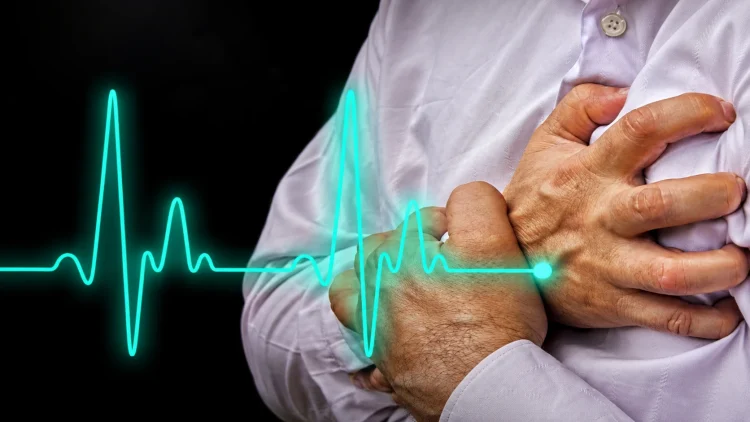
A suspected heart attack requires urgent medical attention, particularly when someone is alone and symptoms appear suddenly. Warning signs can include pressure, tightness or pain in the chest, difficulty breathing, cold sweating, dizziness and unusual weakness. The safest approach is to seek emergency medical assistance immediately rather than trying to drive yourself to a hospital or waiting for the symptoms to disappear. A social media post by Ayurvedic expert Dr Sugandha Sharma highlighted several precautions for people facing a possible cardiac emergency alone, although emergency medical guidance should take priority.
Call for Emergency Help First
If symptoms suggest a possible heart attack, contacting emergency services should be the first priority. In India, people can call 112 for emergency assistance and should also alert a family member, friend or nearby person who can reach them quickly.
Driving yourself to the hospital is generally not advisable during a suspected heart attack because symptoms can worsen suddenly. Remaining somewhere safe while waiting for professional help can reduce the risk associated with travelling alone.
What About Aspirin?
Aspirin is sometimes used during a suspected heart attack because it can reduce platelet activity, but it should not automatically be taken by everyone experiencing chest pain. If emergency medical services or a qualified healthcare professional advises aspirin, they may assess factors such as allergy, bleeding risk and other medical conditions before recommending it.
The commonly circulated advice to take a specific aspirin dose should therefore not replace professional instructions. Anyone with a known aspirin allergy, active bleeding or another medical reason to avoid the medicine should not take it without appropriate medical guidance.
Avoid Taking Sorbitrate on Your Own
Sorbitrate, a nitrate medicine, can widen blood vessels and lower blood pressure. Taking it without medical advice during unexplained chest pain can therefore be risky, particularly if blood pressure is already low or if certain other medicines have been taken.
People who have previously been prescribed nitrate medication for a diagnosed heart condition should follow their own doctor’s instructions. It is not advisable to use someone else’s medication or start Sorbitrate simply because the symptoms resemble a previous heart problem.
Stay Calm and Avoid Unnecessary Exertion
A person experiencing severe chest discomfort may instinctively try to walk around, arrange transport or drive themselves to a hospital. Unnecessary physical exertion can increase the body’s demand for oxygen, so it is safer to stop activity and wait for emergency assistance in a comfortable position.
Keep the phone nearby, unlock the door if possible and remain in a safe place where responders can reach you easily. If symptoms become severe or consciousness is lost, emergency responders should be informed immediately.
Common Warning Signs
Possible heart attack symptoms can vary between individuals. Common warning signs include chest pressure, tightness, heaviness or pain, discomfort spreading towards the arm, shoulder, back, neck or jaw, shortness of breath, cold sweating, sudden weakness or dizziness, nausea and vomiting.
Not every heart attack produces dramatic chest pain, and symptoms can sometimes be less typical. Anyone who develops sudden or unexplained symptoms that could indicate a heart attack should seek emergency medical care rather than attempting to diagnose the condition at home.