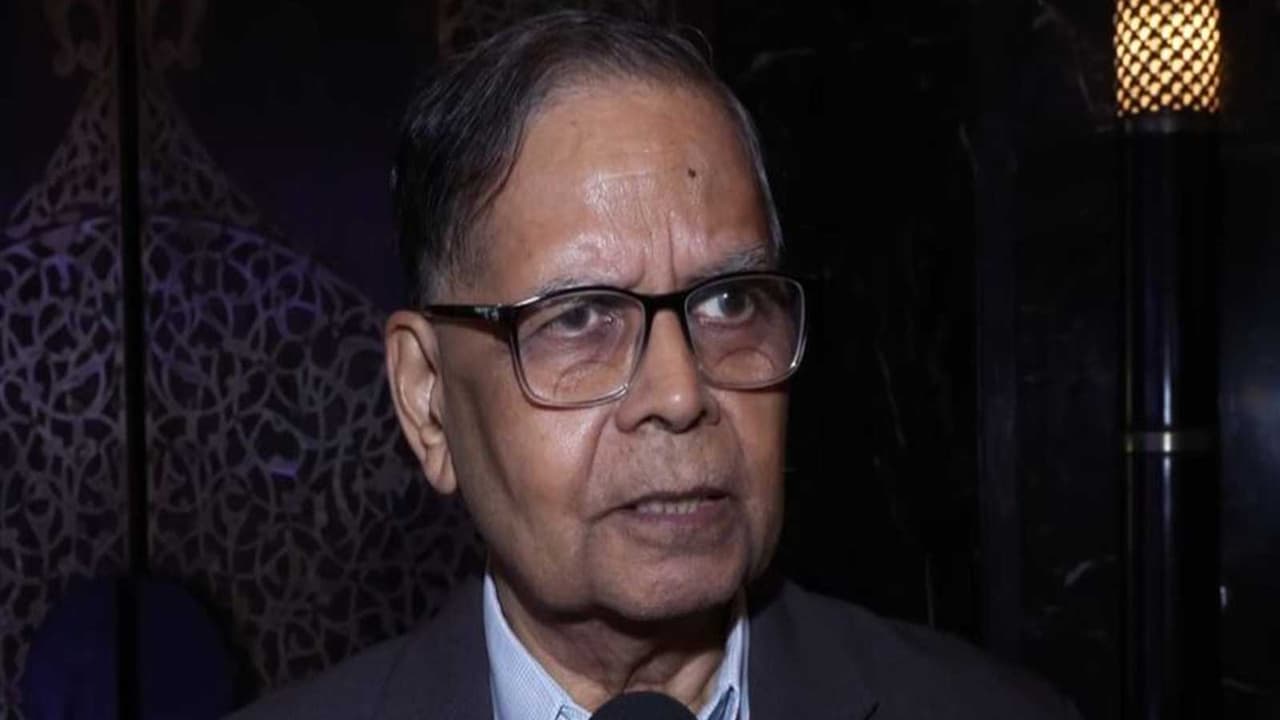
16th Finance Commission Chairman Arvind Panagariya said India is unlikely to face a major food or fertiliser crisis despite global conflicts. He cited strengthened fertiliser supplies and the country’s ability to absorb recent energy shocks.
Speaking to ANI on the sidelines of the 5th Kautilya Economic Conclave in New Delhi, Panagariya was responding to External Affairs Minister S Jaishankar’s recent warning about the risk of a major global food crisis amid disruptions linked to conflicts, fertiliser shortages, climate pressures and tighter energy and financial conditions.
“If we look at our recent experience with the war in West Asia and the way we were able to handle the energy side, I do not think there is anything here that we need to fear very seriously,” Panagariya said.
Jaishankar had said earlier this week that pressures from the Ukraine and West Asia conflicts were affecting grain exports and fertiliser production, while energy and tighter financial conditions were adding to the strain on developing economies.
Strengthened Fertiliser Position
Panagariya said India’s fertiliser position had improved, partly due to the restart of domestic plants, while supplies could also be sourced from other countries.
“There is supply, and fertilisers can also be purchased from other countries,” he said, adding that while the West Asia conflict had created uncertainty, the feared large energy shock had not materialised for India.
The government has also said it has maintained adequate fertiliser availability despite West Asia-related supply disruptions through domestic production, diversified imports and advance stocking.
Energy Shock Absorption
Panagariya said India had managed to limit the impact of the energy shock on households, although commercial LPG users such as restaurants and hotels faced some temporary pressure.
“We were able to absorb this shock quite well. Going forward, I believe our ability to absorb such shocks will increase, not decrease,” he said.
Food Supply and Export Potential
On food supplies, Panagariya pointed to India’s position as an agricultural exporter, saying disruption to supplies from major producers such as Ukraine could instead raise demand for some Indian exports.
“If the war leads to lower supplies from Ukraine, demand for our food products could increase,” he said. “If that pushes prices higher, our exporters would benefit.”
“Looking at the overall market, I do not think we are heading towards a crisis,” he added.
Positive Economic Growth Outlook
Panagariya also remained positive on India’s broader growth outlook after real GDP expanded 7.8 per cent in the April-June quarter of FY27, a figure confirmed by official data. He said annual growth could remain at least 7 per cent “for some time to come” and highlighted the pickup in manufacturing as an encouraging sign for the economy.
Panagariya acknowledged that higher crude oil prices would have some impact on growth, but said other factors remained supportive and argued that rupee depreciation had improved the competitiveness of Indian exporters and domestic producers competing with imports.
“Every economy faces some shocks,” he said, adding that India had previously absorbed much larger disruptions such as the Covid pandemic and the stress caused by bad loans in the banking system. (ANI)
(Except for the headline, this story has not been edited by Asianetnews Editorial staff and is published from a syndicated feed.)