-
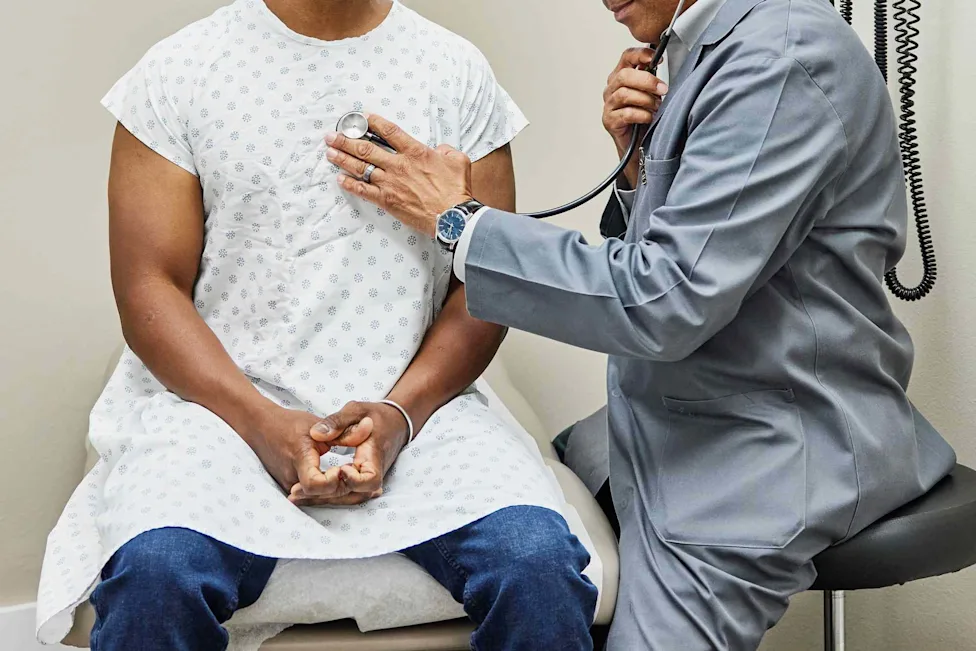
Family history of heart disease or personal risk factors like high cholesterol may warrant a cardiology visit
-
Subtle symptoms like shortness of breath or changes in exercise tolerance can signal potential heart issues
-
Monitoring cholesterol, blood pressure, and blood sugar is key to understanding and managing cardiovascular risk
You’ve got your primary care visit on the calendar. The annual eye exam is done. Your dermatologist appointment has been checked off the list. These are the routine visits that likely don’t warrant a second thought. But there’s one more appointment you may want to put on your health-care radar: a visit with a cardiologist.
You might assume that you only need a heart specialist if you’re having chest pain or have already been diagnosed with heart disease. Not necessarily. For some people, seeing a cardiologist and assessing heart health can be an important part of preventive care, particularly when certain risk factors, symptoms, or family history suggest it’s worth digging deeper.
“Preventive care is one of the most powerful tools we have for reducing the burden of cardiovascular disease,” says ,American Heart Association volunteer president and Duke chief of cardiology. “Many of the conditions that lead to heart attack, stroke, and heart failure develop silently over years before symptoms appear.” The encouraging news is that, as Dr. Patel explains, more than 80% of cardiovascular disease is preventable. In other words, there’s a lot you can do to protect your heart.
But that doesn’t mean that everyone needs to see a cardiologist to do it. For some, a primary care doctor can effectively monitor cardiovascular prevention. “Someone with normal blood pressure, healthy cholesterol levels, no significant symptoms, no concerning family history, and an overall favorable cardiovascular risk profile may be appropriately managed through regular primary care visits,” says Dr. Patel. For others, seeing a cardiologist routinely before symptoms develop is best.

Dr. Manesh Patel
Credit: Courtesy of American Heart Association
So, how do you know which camp you fall into? The real question to ask is, “Do I know my heart-health risk, and am I doing everything I can to lower it?” That conversation can start with your primary care doctor. And these five signs may mean that it’s time to add a cardiologist to the chat.
1. Heart disease runs in my family
They don’t just ask you for your family health history for fun. “Two groups who benefit most from preventive visits are people with a family history of heart disease, especially in parents or siblings, or who personally have risk factors for heart disease such as hypertension or high cholesterol,” says , preventative cardiologist at NewYork Presbyterian/Columbia University Irving Medical Center.
If a close relative developed cardiovascular disease at a relatively young age, Dr. Bradley says it’s important to have your own cardiovascular risk evaluated at least a decade before the age at which your relative developed the disease. “The earlier the better. Heart disease develops over years, so the most effective way to prevent it is to manage the risk factors for disease as early as possible,” she explains.

Dr. Corey Bradley
Credit: Courtesy of NewYork-Presbyterian
While most cardiovascular disease involves common conditions and risk factors, such as coronary artery disease and high blood pressure, there are also less prevalent inherited conditions that cardiologists are trained to recognize. One example is hATTR, or hereditary transthyretin amyloidosis, a rare genetic condition in which abnormal proteins can build up in organs and tissues, including the heart.
2. I’m experiencing symptoms
Chest pain is what most people associate with heart trouble. But it’s not the only symptom to consider. “Chest pain is potentially the most dangerous symptom of heart disease, however, it’s sometimes one of the later symptoms,” says Dr. Bradley. “Earlier and often more subtle symptoms include changes in exercise tolerance or shortness of breath.”
A shift in what you’re able to do physically is worth paying attention to. A sensation of your heart racing or swelling in the legs can also be an indication that something is wrong and should be evaluated, adds Dr. Bradley. And if any of your symptoms are severe, don’t wait for a routine cardiology appointment. Seek immediate medical attention.
3. My numbers aren’t what they should be

Stock image of a patient at a doctor’s office
Credit: Getty
You don’t have to feel sick to have cardiovascular risk factors at play. Some of the most important clues just show up at your annual physical and in your lab results.
Cholesterol: It’s important to monitor, especially your LDL cholesterol (aka the bad cholesterol). “High cholesterol is often dismissed in your 20s or 30s because people are considered ‘too young’ to have heart disease,” says Dr. Bradley. “But it is those years of untreated high cholesterol that lead to plaque in the arteries many years later.”
Blood pressure: “High blood pressure is often called a ‘silent’ risk factor because many people feel completely normal,” says Dr. Patel. “Yet it can significantly increase the risk of heart attack, stroke, kidney disease, and heart failure.”
Blood sugar: Heart health and metabolic health are closely connected. Elevated blood sugar and diabetes can present cardiovascular risk, making monitoring and appropriate management key, says Dr. Patel.
Lipoprotein(a) or Lp(a): Here’s a marker not included in a standard cholesterol panel that you may not have heard about. Lp(a) is a type of lipoprotein—a particle that carries cholesterol through the bloodstream—and high levels can increase your risk of cardiovascular disease. “Unlike many other risk factors, Lp(a) is largely inherited,” says Dr. Patel. “A once-in-a-lifetime screening can identify people who may have elevated cardiovascular risk that would otherwise go undetected.”
4. I’m going through menopause or perimenopause
Hormones are changing during this period and so might your cardiovascular profile. “Beginning in perimenopause, it is not uncommon for women to experience changes in their cholesterol levels and blood pressure—for instance as estrogen levels decrease, LDL cholesterol often rises,” says Dr. Bradley. Blood pressure and weight can also be affected. “The message is not that every woman needs to see a cardiologist at menopause,” says Dr. Patel. “Rather, menopause should be viewed as an opportunity to review risk factors, know your numbers, and make sure prevention remains a priority.”
5. My everyday habits are working against me

Stock image of a patient at the doctor
Credit: Getty
Your daily routine matters. As you might imagine, smoking significantly increases your risk for cardiovascular disease, while obesity and lack of exercise can also contribute to high blood pressure, diabetes, and abnormal cholesterol levels, says Dr. Patel.
He recommends focusing on the American Heart Association’s “Life’s Essential 8”: eating a healthy diet, being physically active, getting healthy sleep, avoiding nicotine, maintaining a healthy weight, and managing blood pressure, cholesterol, and blood sugar. “The goal isn’t for everyone to see a cardiologist,” says Dr. Patel. “The goal is for everyone to understand their cardiovascular risk and take steps to improve it—we want everyone to live longer, healthier lives.”