
Taking delivery of a new car is one of the most exciting experiences for any buyer. That fresh cabin smell, immaculate paint, and the excitement of bringing your hard-earned car home feel like nothing else. But in all that excitement, it’s easy to miss small body defects, fit-and-finish issues, or even mechanical glitches. But later, if you find any scratches or dents after signing the delivery papers, that’s on you. That makes all that excitement vanish in no time. That’s why a proper Pre-Delivery Inspection (PDI) becomes a non-negotiable step. Here is a step-by-step PDI guide to help you inspect your new car before delivery.
Comprehensive PDI Guide: Timing Is The Main Aspect
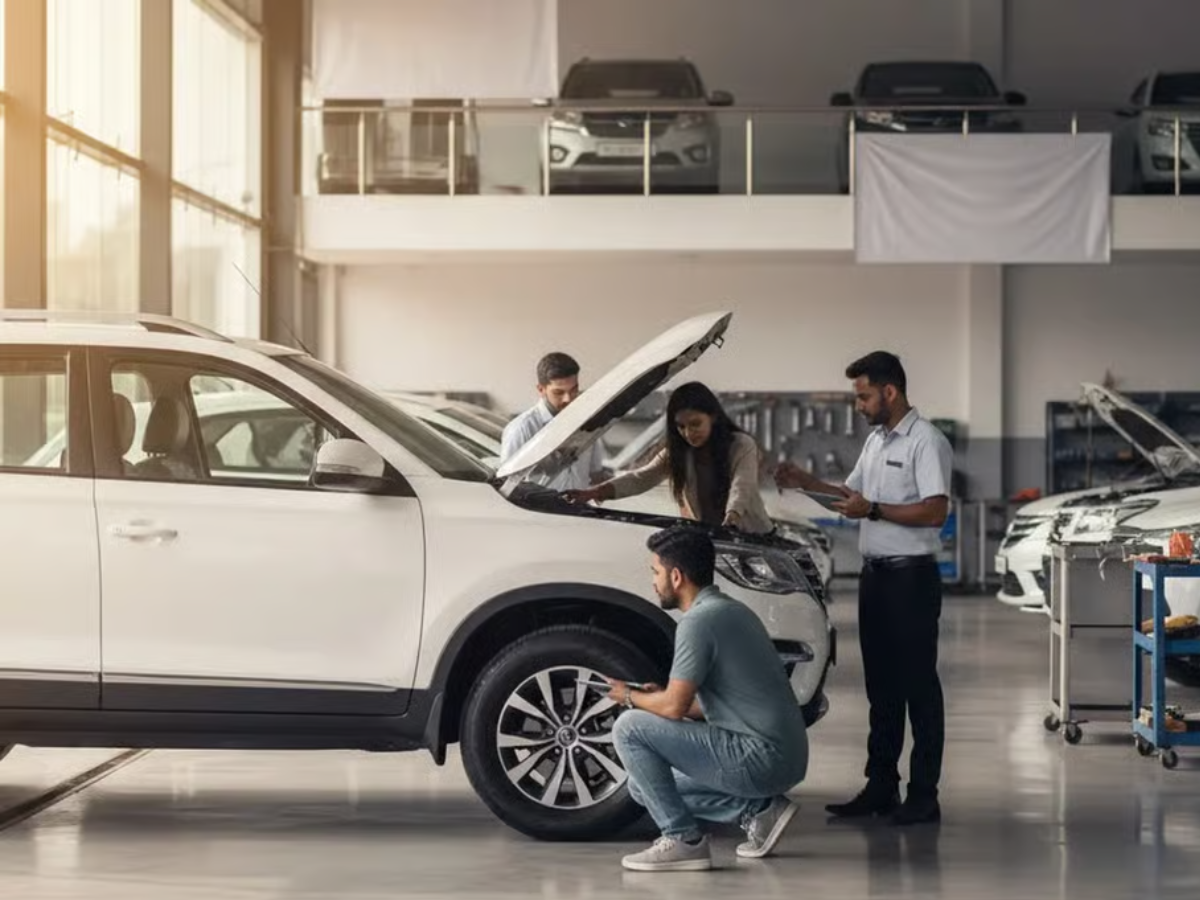
Most of them do PDIs at any time, and that changes everything. Never do a PDI in the evening, under dim basement lights, or in the rain. Natural daylight is essential to catch the chipping paint, misaligned panels, and fine scratches. Sometimes, even dealerships make you hurry during the PDI, so ask for at least 45 minutes to 1 hour for a full check.
Exterior Inspection
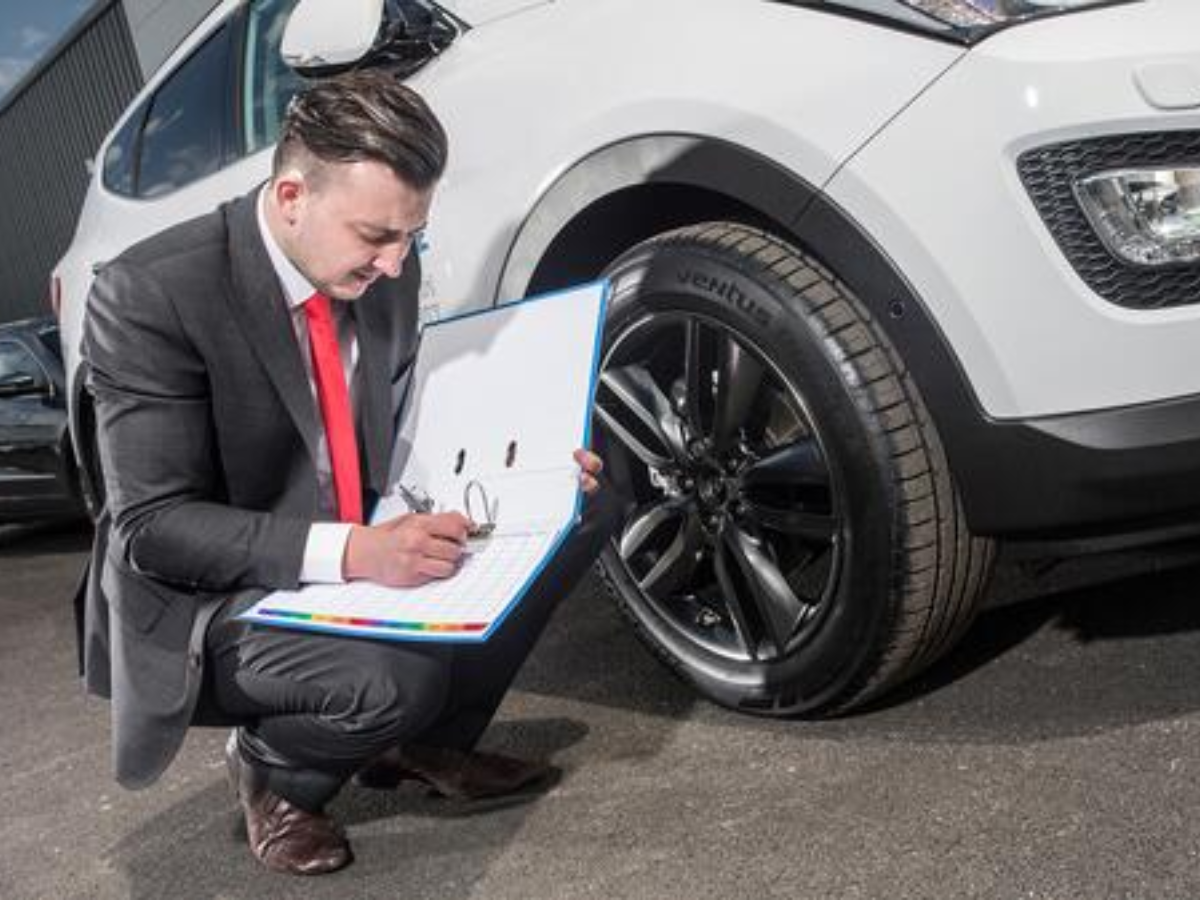
First, look for scratches, swirl marks, colour mismatches between metal and plastic parts (like bumpers), or rough repainted patches caused during transit. Also check the panel gaps; inspect the shut lines around the hood, doors, boot lid, and fenders. All those gaps must be uniform throughout. Uneven gaps often point to assembly issues.
Make sure to check the glass portion, which includes the front windshield, rear glass, and windows, for stone chips or cracks. Inspect the headlamps, taillamps, and fog lights for cracks or internal condensation. Inspect all four tyres and the spare wheel. Check the tyre manufacturing date code (DOT code) on the sidewall to ensure you aren’t getting old stock. Open and close every door, the hood, and the boot lid. They should operate smoothly without squeaking.
Interior Inspection
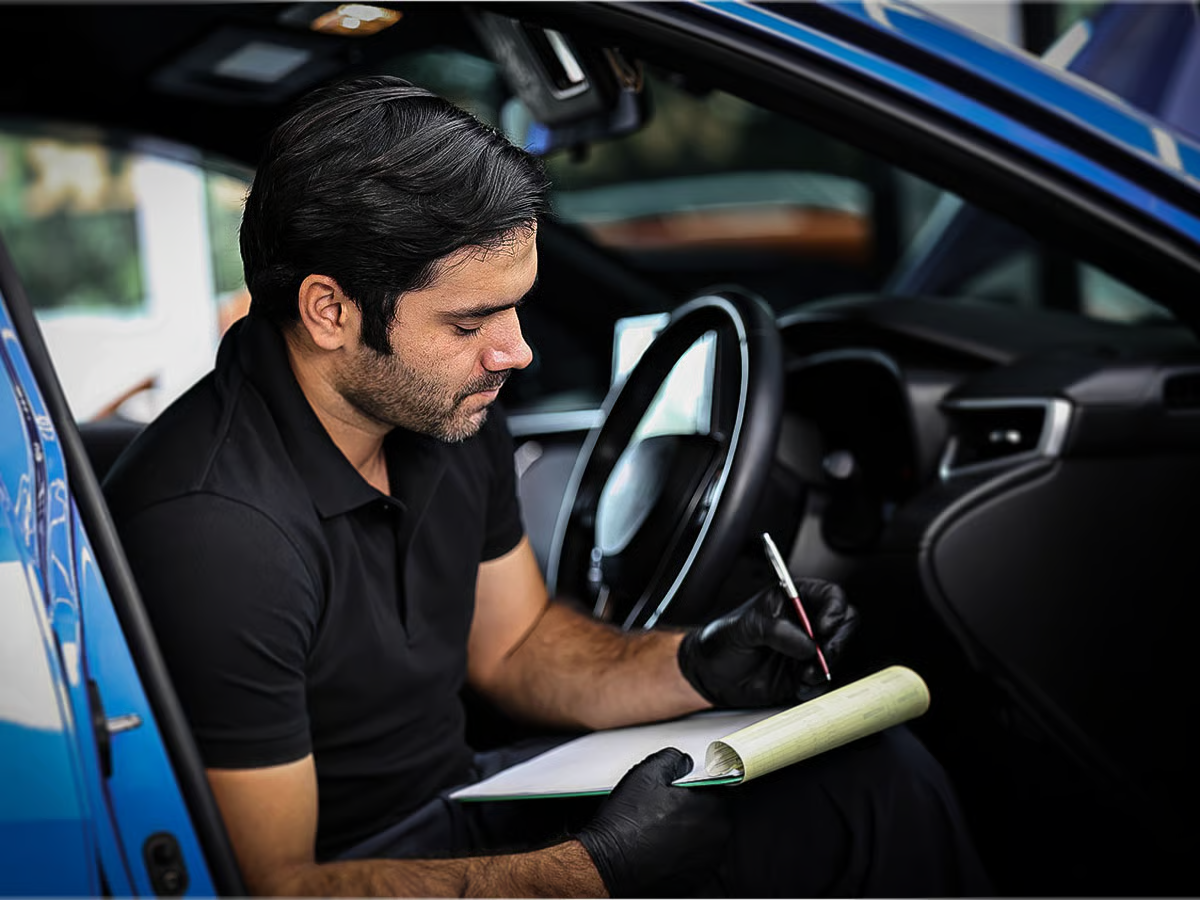
Check the seats, door pads, dashboard and roof liner for stains, tears or loose stitching. Turn on the ignition and test every single button: power windows, horn, wipers, washer jets, power-folding mirrors, and steering controls.
Check touchscreen response, test wireless/wired (as applicable) connectivity, check the reverse camera feed, and test audio output from all speakers. Make sure no warning lights (like check engine, ABS, etc.) stay lit on the instrument cluster after you start the engine. Also check the cooling system, run it at maximum, test all fan speeds, and test the seat ventilation too.
Under The Hood Checks
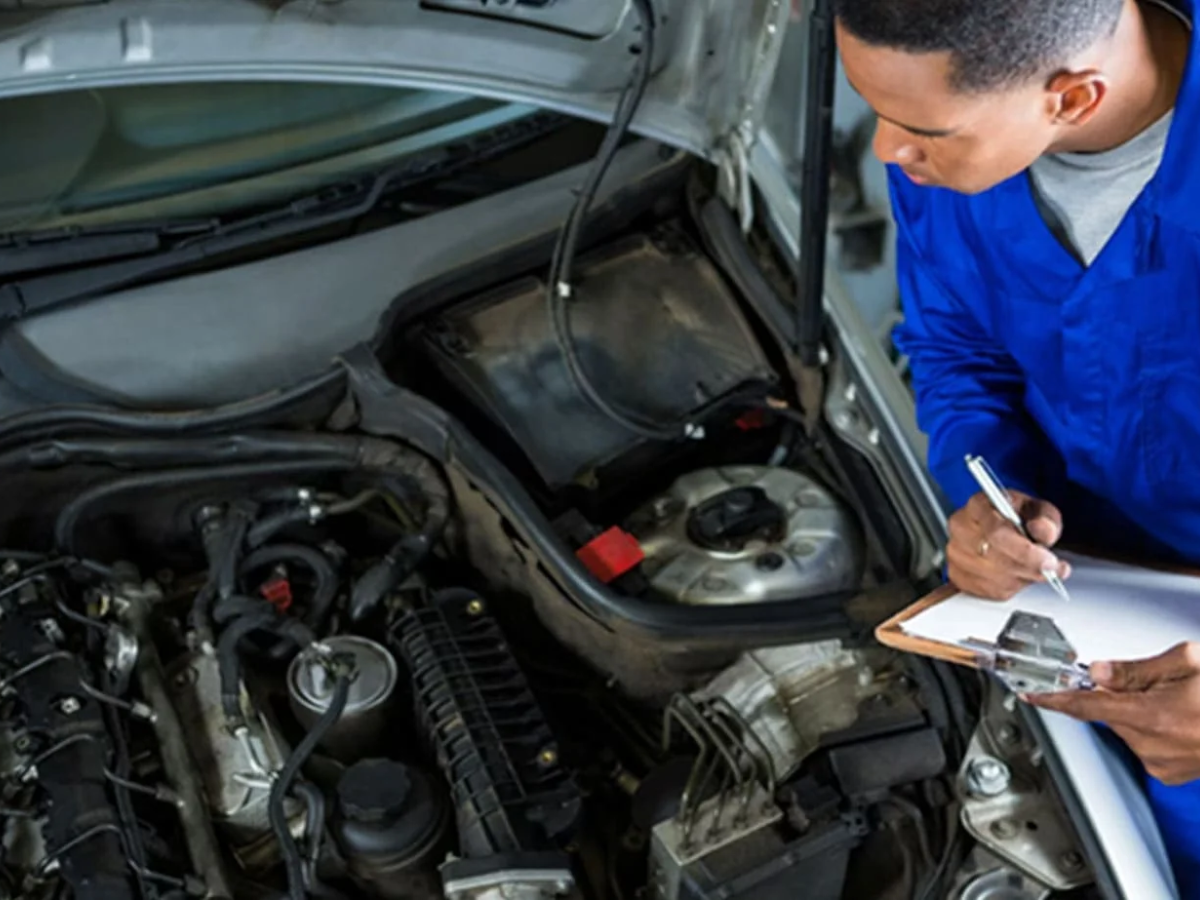
Pop the hood and look at the engine compartment. The engine bay must be clean, without heavy dust layers or rust. Check if the engine oil, brake fluid, and windshield washer fluid levels are near the mark. Check for loose wiring harnesses, exposed insulation, or rodent chew marks. Look under the car for any fluid leaks or fresh drops on the ground.
VIN Check
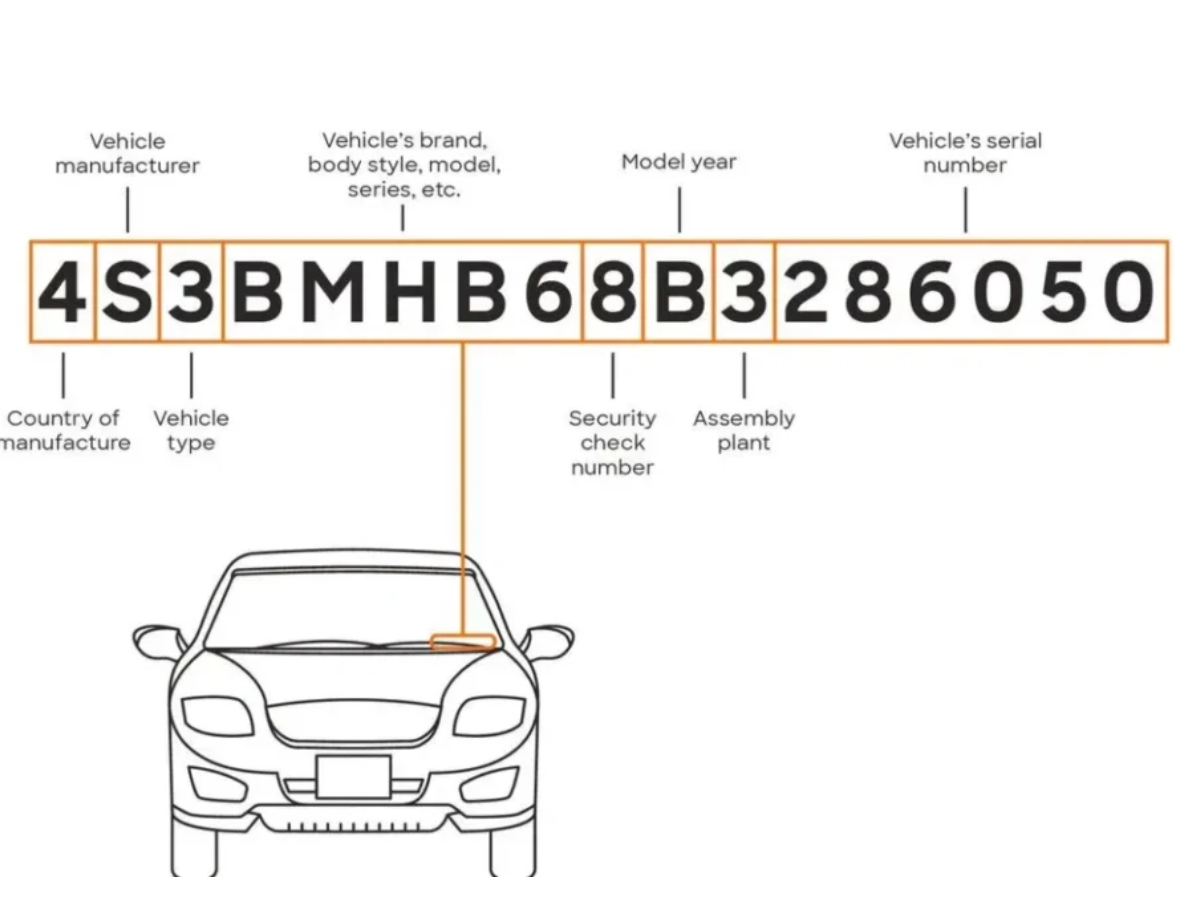
Locate the VIN stamped on the car (usually on the driver’s side door pillar, under the driver’s seat, or in the engine bay) and cross-check it with your allotment letter and invoice. The VIN will tell you the exact month and year of manufacture, ensuring the dealer isn’t selling you old stock.
Comprehensive PDI Guide: Short Test Drive To End It All
Ask your dealer for a quick test drive of the vehicle before signing the final clearance. Check the odometer to be fairly limited; it must not be in the triple digits (km. If it is, then ask the dealer for an explanation. Listen for any unusual engine clatter, unnatural gear shifts, clutch slippage, or squealing brakes.
Drive on a straight patch to verify the steering alignment is straight and the car doesn’t pull to one side. Check that the engine pulls straight, and there’s no lag. Test brakes for prompt bite.