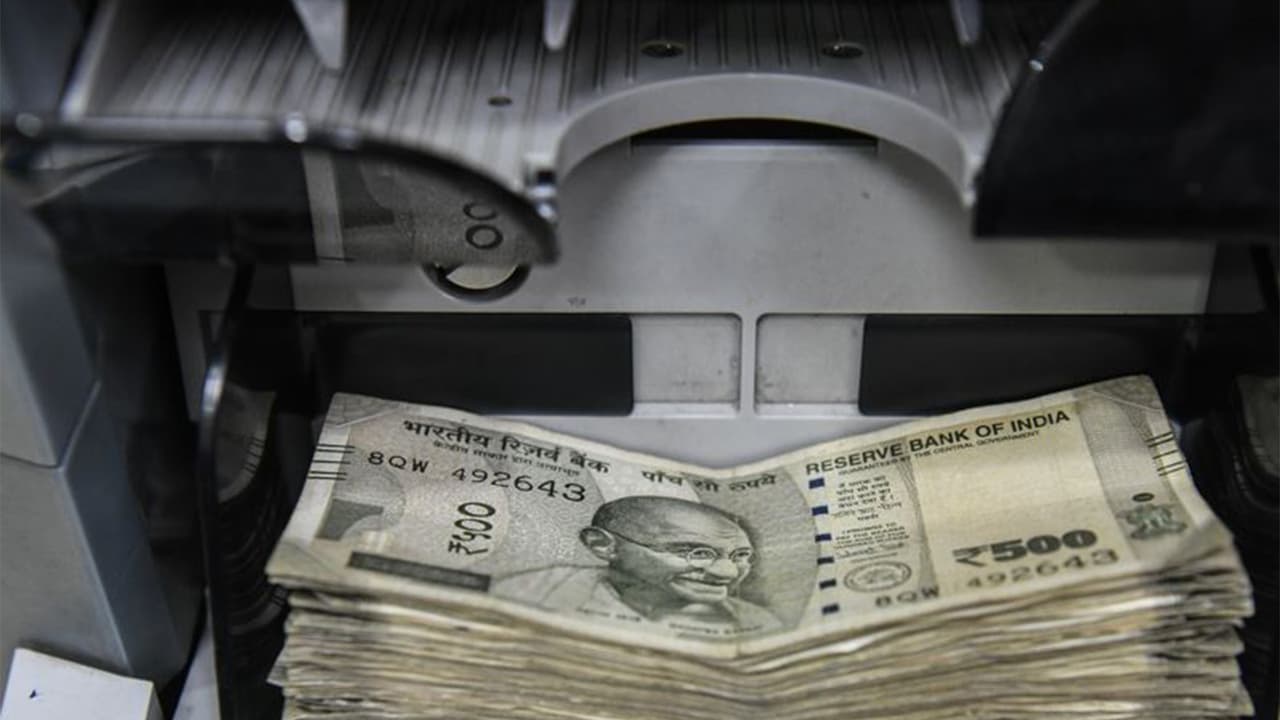
The rupee is expected to trade in the Rs 94.5-96 per US dollar range. A Bank of Baroda report notes that large dollar inflows have been added to RBI’s reserves instead of the market, thus limiting any significant appreciation of the currency.
The rupee is likely to remain in the Rs 94.5-96 per US dollar range in the near term, with large dollar inflows through FCNR deposits and external commercial borrowings (ECBs) failing to translate into commensurate appreciation as the funds have largely been added to the Reserve Bank of India’s reserves, a Bank of Baroda research report said.
The report said the rupee’s movement has increasingly been shaped by a combination of fundamentals, RBI intervention and market sentiment, making it difficult to attribute currency movements to any single factor. “In the current situation a range of Rs 94.5-96 looks likely in the near term,” the report said.
Why dollar inflows aren’t strengthening the rupee
It added that sharp appreciation of the rupee, which could theoretically have followed the increase in dollar inflows, has been limited as the inflows “have not been infused into the market but added to reserves.”
Rupee’s performance over the years
The rupee has depreciated by around 28 per cent, moving from an average of Rs 74.44 per dollar in January 2022 to Rs 95.47 in August 2026. Over the same period, the dollar gained 2.4 per cent against the euro, while the yen, Indonesian rupiah and South Korean won depreciated by 38 per cent, 24 per cent and 17 per cent, respectively.
Analysis of influencing factors
The report analysed monthly currency movements from January 2022 to June 2026 using changes in forex reserves, RBI spot and forward market operations, FPI flows and the dollar-euro exchange rate.
RBI intervention shows significant link
Among the variables studied, RBI intervention through spot and forward operations showed a significant relationship with rupee movements. Used together, the two had an explanatory power of 34 per cent, compared with 25 per cent for spot intervention and 19 per cent for forward operations when considered separately. The report said the findings suggest that conducting both operations together could be more effective for currency management.
Other factors and market sentiment
Changes in forex reserves had an explanatory power of only 18 per cent, indicating that a sharp rise in reserves following dollar inflows may not lead to a major change in the exchange rate. FPI flows were significant when considered alone but lost significance when combined with other variables.
“The factors driving the exchange rate are through multiple routes and separating them statistically does not reveal any dominant variable,” the report said. The variables examined accounted for not more than 40 per cent of the variation in the rupee, with sentiment — including the timing of importer and exporter purchases and remittances — accounting for a substantial part of the movement not captured by the analysis. (ANI)
(Except for the headline, this story has not been edited by Asianetnews Editorial staff and is published from a syndicated feed.)