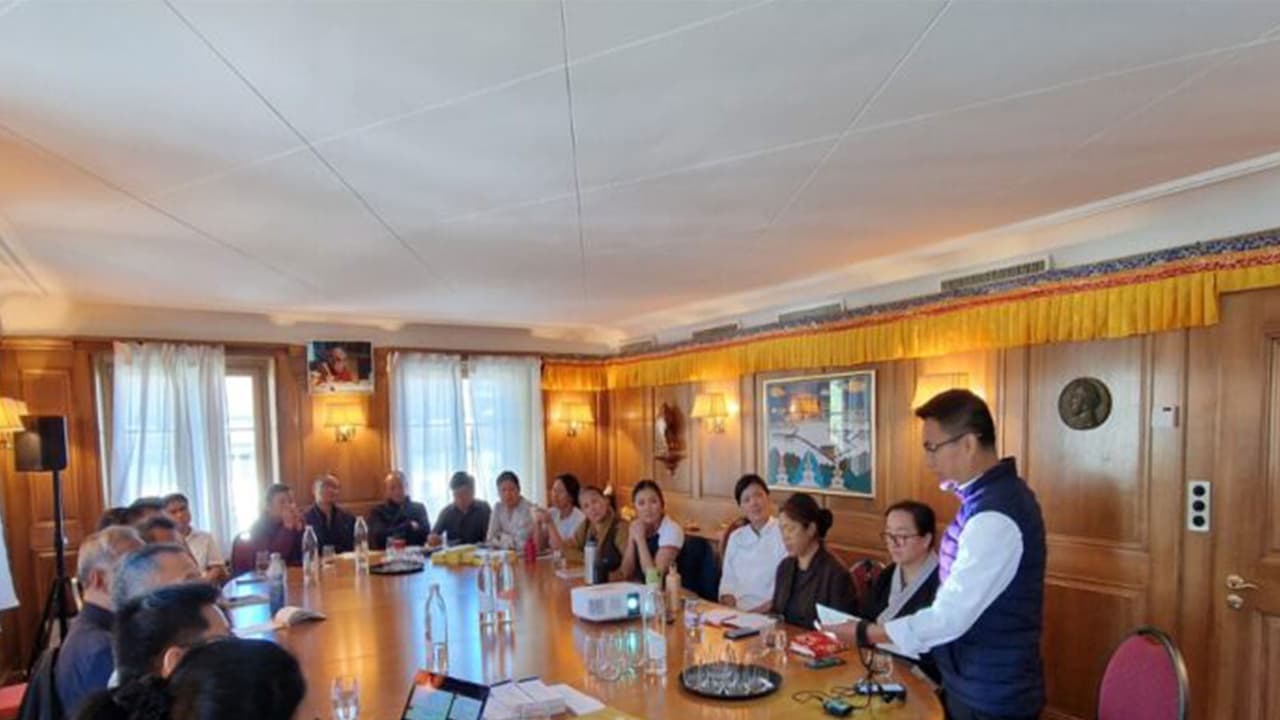
The Rüti Tibetan Community of Switzerland met to discuss the future of Tibetan education and new ways to preserve language and culture. The meeting involved teachers and officials, focusing on teaching methods and inspiring children to value their heritage.
The Rüti Tibetan Community of Switzerland and Liechtenstein and the Tibetan School in Rüti held their second meeting with the school head and teachers on September 19 to discuss the future of Tibetan education and new approaches to preserving Tibetan language, culture and identity among the younger generation, the Central Tibetan Administration reported. The meeting brought together around 21 teachers and the school head.
Karma Chokyi, Director of the Tibetan School, opened the programme by reading a statement from Kalon Ugyen Tenzin, Minister of the Department of Education of the Central Tibetan Administration (CTA), Dharamsala, conveying his message and support to the teachers and the school community.
According to the Central Tibetan Administration, around 8,000 Tibetans live in Switzerland, including more than 700 Tibetan children under the age of 16 enrolled in Tibetan schools across the country. Phuntsok Topgyal, UN Advocacy Officer from the Tibet Bureau, Geneva, and Kalsang Kangrang, Vice President of the Tibetan Community of Switzerland and Liechtenstein, also participated in the meeting.
Focus on New Educational Approaches
According to the CTA, discussions focused on strengthening the Education Committee, Tibetan Cultural and Language Day programmes, summer camps, teaching methods and educational materials, with the objective of encouraging children to develop a lasting connection with the Tibetan language and culture.
Phuntsok Topgyal highlighted the vital role of teachers in shaping the linguistic and cultural future of Tibetan children. He stressed that Tibetan education should go beyond textbooks and classroom lessons by encouraging children to learn, speak and use Tibetan throughout their lives.
The Central Tibetan Administration also highlighted the importance of developing structured and consistent learning materials for subjects such as Tibetan grammar and history, while other subjects should be regularly reviewed and updated according to changing educational needs.
A Collective Effort for Future Generations
The meeting concluded with Kalsang Kangrang expressing appreciation for the teachers’ continued dedication and stressing the importance of collective efforts to strengthen Tibetan education. The discussions reaffirmed the importance of inspiring Tibetan children to value, use and carry forward their language and culture for future generations, according to the Central Tibetan Administration.
(ANI)
(Except for the headline, this story has not been edited by Asianet Newsable English staff and is published from a syndicated feed.)